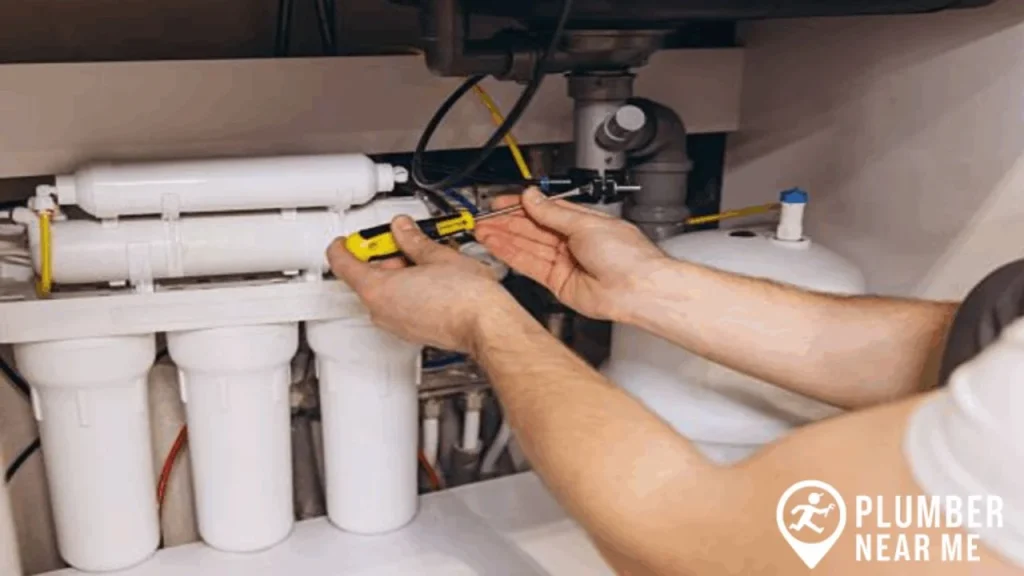
A properly working water softener protects your home from the effects of hard water—like scale buildup, cloudy dishes, and dry skin. But when it stops working, those problems quickly come back. The good news is, most water softener system repair jobs don’t require a full replacement. With the right troubleshooting steps, you can often bring your system back to life. You May Also Like: How to Install a Shower Head with Handheld.
If you’d prefer to leave it to the experts, you can always book a professional at Plumber Near Me.
Why Water Softener Repair Is Important
Hard water contains high levels of calcium and magnesium. Over time, these minerals cause:
- Clogged pipes and fixtures due to mineral buildup
- Higher energy bills as appliances like water heaters work harder
- Dry hair and skin from soap not lathering properly
- Shortened appliance lifespan from scale damage
A water softener removes these minerals using ion exchange, leaving you with soft water that’s easier on your plumbing and your body. When the system fails, all these issues resurface—making timely water softener system repair essential.
How Water Softeners Work
To understand repairs, it helps to know the basics. A softener has two main tanks:
- Resin Tank – filled with beads that trap hard water minerals.
- Brine Tank – holds salt that recharges (regenerates) the resin.
When water passes through the resin tank, calcium and magnesium stick to the beads, while sodium takes their place in the water. Eventually, the beads fill up and need to be “cleaned” with salt from the brine tank. This cycle repeats to keep water soft.
With time, especially in an old water softener, parts wear out, salt bridges form, or clogs develop.
Common Water Softener Problems
Here are the most common reasons your softener may stop working:
- Clogged brine line or resin bed – prevents regeneration.
- Salt bridging – a hardened layer of salt forms, blocking water.
- Malfunctioning control valve or timer – system won’t run cycles.
- Cracked distributor tube – water bypasses resin beads.
- Low salt or poor-quality salt – system runs but doesn’t soften water.
- Power failure or faulty wiring – system won’t turn on.
Step-by-Step: How to Troubleshoot
1. Look for Warning Signs
- Water feels “hard” again
- Soap doesn’t foam as before
- White scale spots on dishes, faucets, and shower doors
- Strange noises from the system
- Control panel shows error codes
2. Test Your Water
Use a simple hardness test kit. If hardness levels haven’t dropped, your system isn’t softening water effectively.
3. Inspect the System
- Check for leaks or cracks in tanks and hoses.
- Make sure salt levels are at least half-full.
- Look for “salt bridges” inside the brine tank.
- Watch a regeneration cycle—if water isn’t moving, something’s clogged.
DIY Water Softener System Repair
How to Fix a Clogged Water Softener
If you notice water flow slowing or the system failing to regenerate:
- Disconnect the brine line.
- Flush it with warm water or blow compressed air through it.
- Replace the line if cleaning doesn’t work.
Breaking Up Salt Bridges
Salt bridging is one of the most common issues in an old water softener.
- Use a broom handle to gently break the crust.
- Remove loose chunks.
- Add fresh, high-quality salt pellets.
Replacing the Resin Bed
Resin beads usually last 10–15 years. If your system feels old and inefficient:
- Shut off water and bypass the system.
- Remove the tank head and distributor tube.
- Vacuum out old resin.
- Add new resin beads and reassemble.
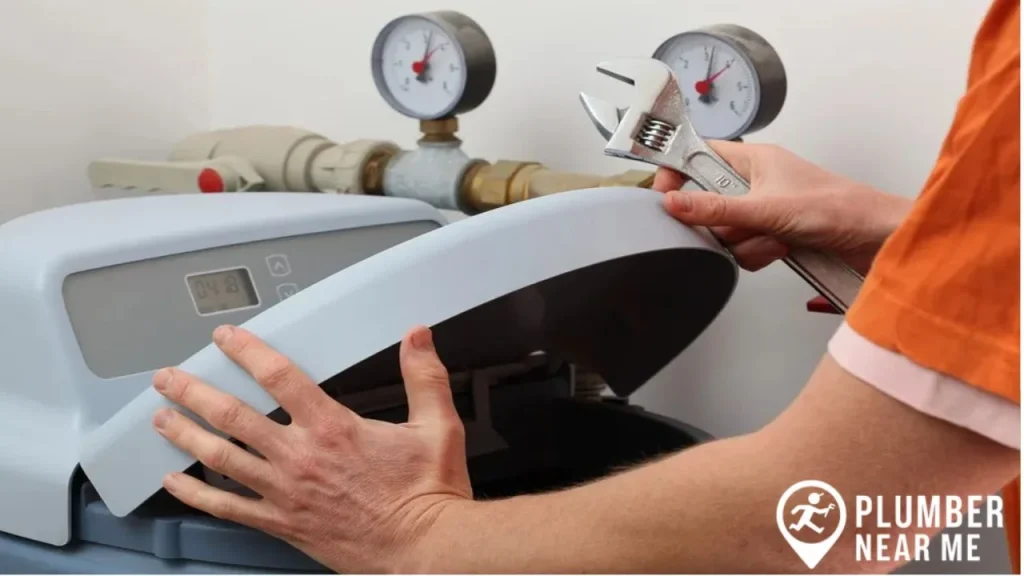
Repairing or Replacing Control Valves
- Shut off the water supply.
- Remove and inspect the valve.
- Clean out mineral buildup or replace it if broken.
- Reconnect and restart.
Fixing a Cracked Distributor Tube
- Drain the resin tank.
- Pull out the old tube and check for cracks.
- Replace if damaged and refill with resin.
Preventative Maintenance
Keeping your softener in shape prevents costly repairs.
- Check salt monthly – keep it at least half-full.
- Use quality salt – to reduce bridging.
- Clean brine tank annually – prevents clogs.
- Sanitize resin bed once a year – stops bacteria buildup.
- Inspect hoses and valves regularly.
When to Replace Instead of Repair
Even with good maintenance, no system lasts forever. Consider replacement if:
- Your old water softener is 15+ years old.
- Repairs cost more than 50% of a new unit.
- Household water needs have changed.
- You want to upgrade to a high-efficiency, low-salt model.
FAQs About Water Softener Repair
How long does a water softener last?
Most last 10–15 years with proper maintenance.
How to fix a clogged water softener?
Flush the brine line with water or compressed air. If the clog persists, replace the line.
Can an old water softener be repaired?
Yes, but after 15 years, replacement is often more cost-effective.
What’s the easiest problem to fix?
Salt bridging—it only requires breaking up the crust and refilling with new salt.
Should I repair or replace my unit?
Repair if it’s under 10 years old with minor issues. Replace if it’s old, inefficient, or constantly breaking down.
Conclusion
A broken softener doesn’t always mean buying a new one. From cleaning brine lines to replacing resin beds, most issues can be solved with simple water softener system repair steps. But if your old water softener is beyond repair, upgrading to a modern unit will save money and improve efficiency.
👉 Need help today? Call the experts at Plumber Near Me and get your water softener fixed right the first time.