A damaged sewer line can quickly turn into a homeowner’s nightmare—causing foul odors, slow drains, water damage, and even yard flooding. Knowing when and how to replace a sewer line is essential for protecting your property and maintaining a healthy plumbing system.
In this guide, we’ll cover the signs of sewer line issues, causes of sewer damage, repair methods, costs, and professional solutions. You May Also Like: Washing Machine Hoses.
Signs You Need Sewer Line Repair
If you notice any of these warning signs, it may be time for sewer repair or sewer line replacement:
- Multiple slow drains: If several fixtures are draining poorly, the main sewer line may be clogged.
- Gurgling toilets: Air trapped in damaged sewer pipes often causes bubbling or gurgling noises.
- Yard flooding or sewage smell: Pools of water or foul odors in the yard often mean a broken sewer pipe underground.
- Indoor water damage: Mold, dampness, or leaks inside your home can indicate a leaking drain line.
👉 If you see these issues, don’t delay—early detection prevents costly sewer pipe replacement later.
Common Causes of Sewer Line Damage
Sewer lines can fail for many reasons, including:
- Clogs & blockages – Flushing wipes, grease, or foreign objects can clog pipes.
- Pipe corrosion – Old cast iron or steel pipes may corrode over time.
- Tree root intrusion – Roots can break into sewer pipes searching for water.
- Ground movement & temperature changes – Freezing, thawing, or shifting soil can crack pipes.
- Aging pipes – Depending on material, sewer lines last 50–100 years before needing replacement.
Sewer Line Repair vs. Replacement
Depending on the damage, plumbers may recommend repair or full sewer pipe replacement. Here are the main methods:
1. Traditional Sewer Line Replacement
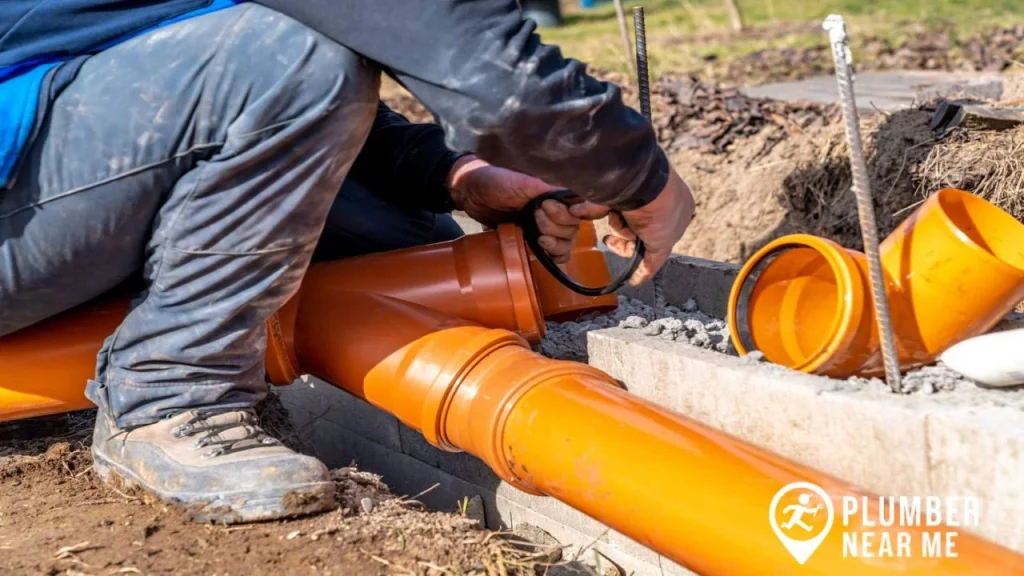
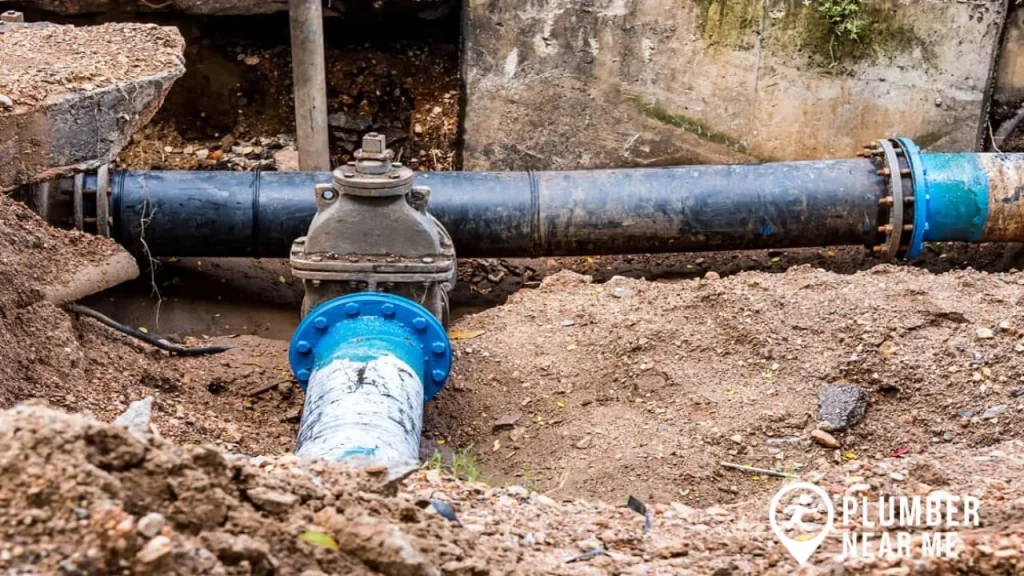
This involves digging a trench to access and replace the pipe.
Pros: Durable, complete replacement ensures long-term reliability.
Cons: Expensive, time-consuming, and disrupts landscaping.
2. Trenchless Sewer Repair
Modern technology allows sewer lines to be fixed without major digging. Two common methods are:
- Pipe bursting: A new pipe is pulled through the old one, breaking it apart.
- Pipe lining (CIPP): A resin liner is inserted and cured inside the existing pipe.
Pros: Faster, less invasive, preserves landscaping.
Cons: Not suitable for severely collapsed pipes.
Sewer Line Replacement Cost
The cost depends on pipe length, material, and method used. On average:
- Minor repairs: $1,000–$3,000
- Partial replacements: $3,000–$7,000
- Full sewer line replacement: $5,000–$20,000+
Trenchless methods are often more cost-effective in the long run, with less damage to your yard.
Professional vs. DIY Sewer Repair
While DIY fixes might seem tempting, sewer repair should always be left to licensed plumbers. They have:
✔️ Specialized equipment (cameras, trenchless tools)
✔️ Knowledge of local codes & permits
✔️ Experience preventing further property damage
Attempting DIY sewer pipe replacement can lead to bigger problems—and higher costs.
FAQs About Sewer Line Replacement
1. How do I know if my sewer line needs replacement instead of repair?
If you’re experiencing repeated clogs, gurgling toilets, yard flooding, or sewage odors, your line may need a full replacement. A professional plumber can perform a camera inspection to confirm whether repair or replacement is best.
2. What is the most common cause of sewer line damage?
The most common issues are tree root intrusion, pipe corrosion, and ground movement. In older homes, aging pipes (especially cast iron or clay) are also a frequent cause of sewer line failure.
3. How long does a sewer line replacement take?
Traditional sewer replacement can take several days to a week, depending on the length and depth of the pipe. Trenchless methods are faster, often completed within one to two days.
4. Is trenchless sewer repair better than traditional methods?
Trenchless sewer repair (pipe bursting or lining) is less invasive, faster, and preserves landscaping. However, if the sewer pipe is severely collapsed, traditional replacement may be the only option.
5. How much does it cost to replace a sewer line?
The cost ranges from $3,000 to $20,000+, depending on pipe length, material, and method. Minor repairs may be as low as $1,000–$3,000, while full trenchless replacements are typically $7,000–$15,000.
6. Can I replace a sewer line myself?
DIY sewer replacement is not recommended. It requires heavy equipment, permits, and plumbing expertise. Hiring a licensed plumber ensures safety, compliance with building codes, and long-lasting results.
7. How can I prevent future sewer line problems?
Regular inspections, avoiding flushing grease or wipes, trimming tree roots, and scheduling professional maintenance can extend the life of your sewer line.
Conclusion
A failing sewer line is a serious issue, but with professional help, you can restore your plumbing system efficiently. Whether you need a small sewer repair or a complete sewer line replacement, addressing the problem quickly saves time, money, and stress.
👉 Looking for expert help? Get professional sewer pipe replacement services at Plumber Near Me and ensure your home stays safe from costly plumbing disasters.