👉 Need help with hose replacement or plumbing issues? Connect with trusted local experts at Plumber Near Me for fast, reliable service.
Washing machine hoses might seem like small parts of your laundry setup, but they play a huge role in preventing water leaks and potential flooding. Over time, even the best washing machine hoses can wear down, crack, or burst, causing expensive water damage if not addressed in time. You May Also Like: The Five Types of Plumbing Pipes.
This guide will explain why washing machine hoses leak, the different types available, step-by-step instructions for washing machine hose replacement, and preventive care tips to make sure your laundry area stays dry and safe.
Why Washing Machine Hoses Leak
Even high-quality hoses won’t last forever. Here are the most common causes of leaks:
- Wear and Tear: Continuous water pressure, hot water cycles, and vibration from the machine gradually weaken hoses. Over time, they can bulge, crack, or burst.
- Water Hammer: Sudden changes in water pressure at the end of a wash cycle can stress the hose, leading to premature damage.
- Poor Water Quality: Hard water and sediment buildup corrode the inside of hoses, making them brittle.
- Installation Errors: Overtightening, twisting, or bending hoses during installation may create weak points that eventually leak.
- Worn Rubber Washers: The small rubber washers at the ends of hoses are meant to seal connections. Once they wear down, water starts to seep out.
Choosing the Best Washing Machine Hoses
Not all hoses are created equal. Here’s a breakdown to help you choose the best fit for your home:
- Standard Rubber Hoses
- Cheapest option, but least durable.
- More likely to crack or burst under high water pressure.
- Best for short-term use or households with low water pressure.
- Reinforced Rubber Hoses
- Strengthened with polyester or nylon braiding.
- More resistant to kinking and last longer than plain rubber hoses.
- Good mid-range option for moderate water use.
- Braided Stainless Steel Hoses
- Most durable and reliable option.
- Coated with a woven layer of stainless steel that resists bursting and leaks.
- Many include auto-shutoff valves that stop water flow if a rupture occurs.
- The best washing machine hoses for households with high water pressure or frequent laundry cycles.
Washing Machine Hose Replacement: Step-by-Step
Replacing hoses is a straightforward DIY project, but it must be done carefully:
- Turn off the power at the breaker and unplug the washing machine.
- Pull the machine away from the wall for access.
- Shut off the water supply valves (usually behind the washer).
- Place a bucket and towels nearby to catch water from old hoses.
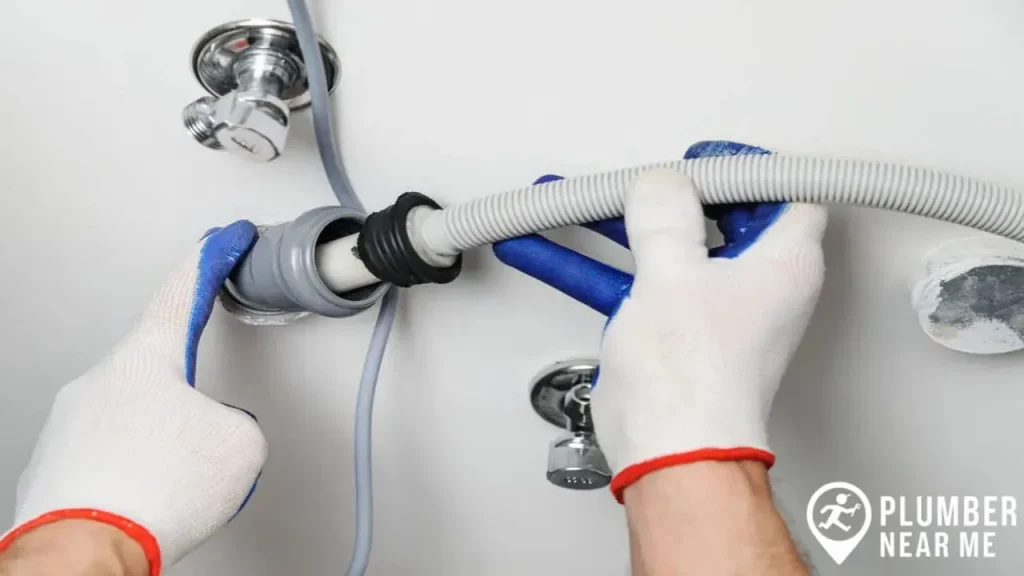
- Disconnect old hoses from both the washer and the wall valves, draining excess water.
- Install new hoses — hand-tighten first, then secure gently with pliers.
- Match red to hot and blue to cold connections.
- Turn water supply back on and check carefully for leaks.
- Push the washer back into place, leaving 3–4 inches of clearance so hoses aren’t bent or pinched.
Preventive Care Tips
To extend the life of your hoses and avoid sudden leaks:
- Inspect hoses regularly for bulges, cracks, or rust.
- Replace every 3–5 years, even if they look fine.
- Install water hammer arrestors to absorb pressure surges.
- Turn off water valves when the washer isn’t in use for long periods.
- Avoid bending or kinking hoses when pushing the machine back.
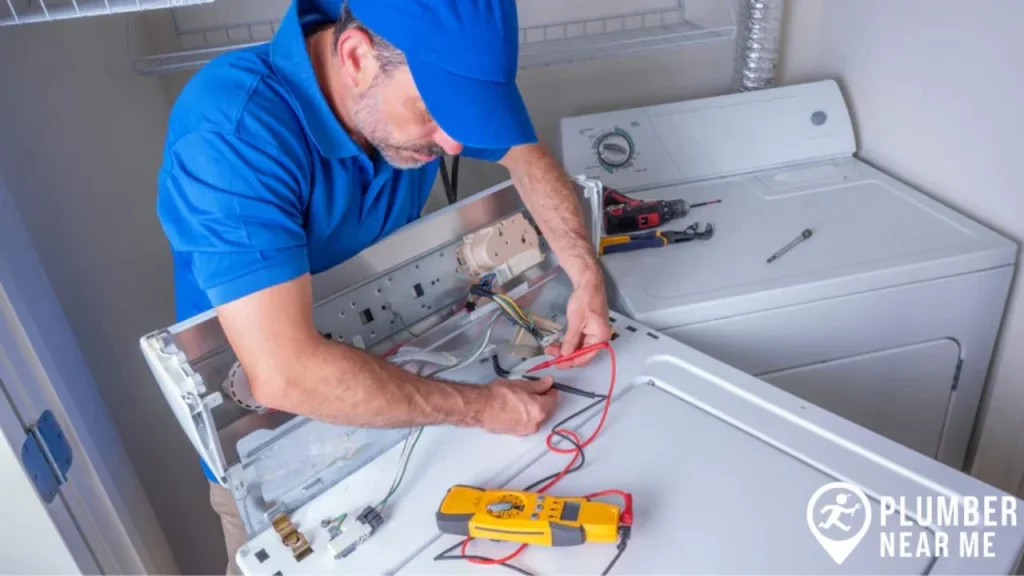
- If unsure, hire a plumber to handle washing machine hose replacement for peace of mind.
FAQs About Washing Machine Hoses
1. Why do washing machine hoses leak?
Hoses leak due to wear and tear, hard water buildup, improper installation, or old rubber washers losing their seal.
2. What are the best washing machine hoses?
Braided stainless steel hoses are the best choice for durability and leak prevention. They’re more expensive than rubber hoses but last longer and provide peace of mind.
3. How often should I replace washing machine hoses?
Most experts recommend replacing hoses every 3–5 years, even if no leaks are visible.
4. Can I replace washing machine hoses myself?
Yes, it’s a simple DIY project if you follow the right steps. However, hiring a plumber ensures proper installation and reduces the risk of leaks.
5. How do I prevent future hose problems?
Regular inspections, shutting off valves when not in use, and using braided stainless steel hoses are the best ways to avoid water damage.
Conclusion
Washing machine hoses may seem minor, but they’re critical in preventing leaks and protecting your home from costly water damage. By understanding why washing machine hoses leak, choosing the best washing machine hoses, and replacing them every few years, you’ll keep your laundry space safe and worry-free.
👉 For expert installation, inspections, or emergency hose replacements, visit Plumber Near Me and get connected with reliable local plumbers.