👉 Looking for expert plumbing and venting solutions? Visit Plumber Near Me for trusted service and professional installation.
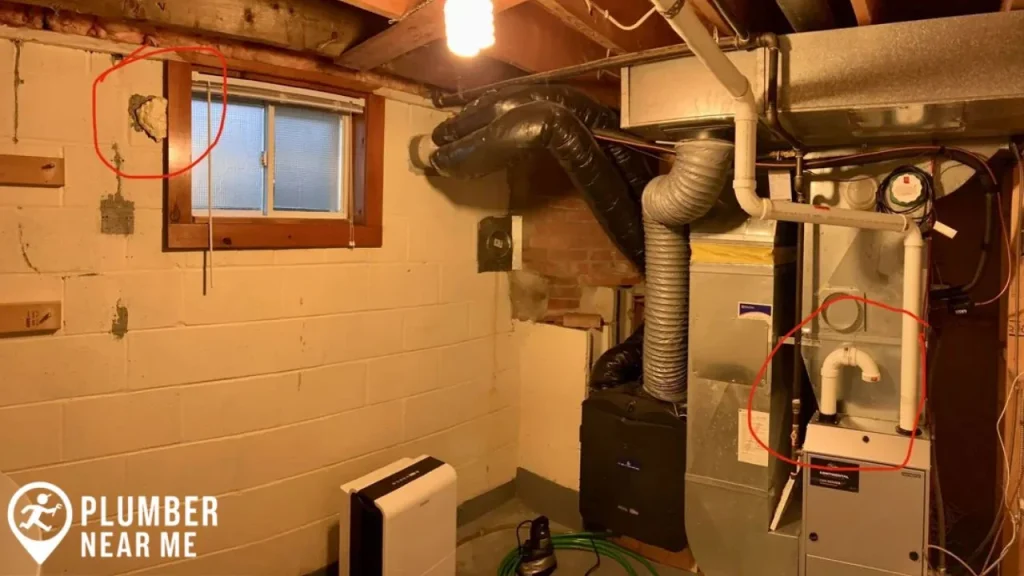
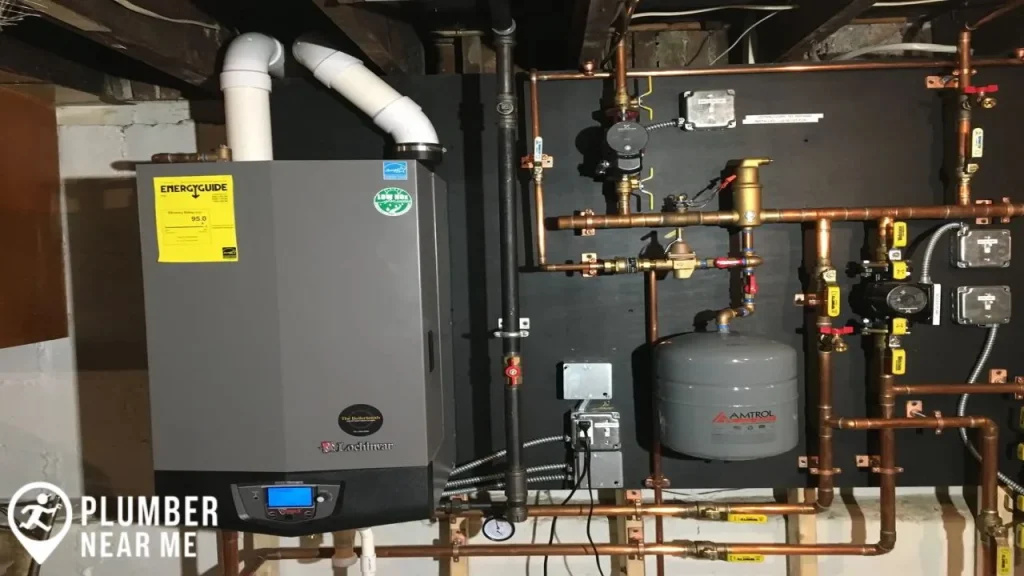
Modern heating appliances—like high-efficiency furnaces, boilers, and water heaters—must safely remove harmful flue gases from your home. One of the most common solutions today is the PVC flue pipe, but not all PVC is created equal. Using the wrong material can lead to serious safety hazards, including carbon monoxide leaks. You May Also Like: Toilet Parts in Tank.
This guide explains how PVC flue gas vent pipes work, why standard PVC is not suitable for gas venting, and what certified alternatives you should use.
Why Proper Gas Venting Matters
Gas appliances release a mixture of heat, water vapor, and harmful byproducts such as carbon monoxide. If these gases aren’t vented outdoors, they can accumulate indoors—posing health risks and even causing fatal accidents.
Traditionally, appliances were vented through chimneys using metal flues. But as efficiency improved, flue gases became cooler and contained more moisture. This change made older venting methods less reliable, leading to the adoption of direct vent systems that often use PVC.
Can You Use Standard PVC for Flue Gas Venting?
At first, many installers used regular PVC drain pipes for venting because they were inexpensive, corrosion-resistant, and easy to install. However, regular PVC is not designed for the high temperatures and fluctuating conditions of flue gases. Over time, this causes problems such as:
- Cracking and brittleness from heat exposure
- Discoloration or warping inside the pipe
- Potential leaks that allow dangerous gases into the home
Certified PVC Flue Gas Vent Pipes
To improve safety, industry standards were developed for venting systems. The most important is UL 1738 certification, which applies specifically to PVC gas vent pipes.
Certified flue vent pipes are:
- Heat- and moisture-resistant
- Tested to handle combustion gases safely
- Clearly labeled for gas venting applications
👉 Always check for UL 1738 markings and buy both pipes and fittings from the same manufacturer to ensure proper sealing and compatibility.
Key Installation Guidelines for PVC Gas Vent Pipes
Installing a flue vent system should always be done by a qualified professional, but homeowners should understand the basics.
Best practices include:
- Maintaining a proper slope on horizontal sections to allow condensate drainage
- Using approved adhesives and sealants for gas venting
- Leaving clearance from combustible materials
- Allowing space for pipe expansion and contraction
- Following the appliance manufacturer’s venting instructions carefully
Maintenance and Safety Tips
Even certified systems need routine care. To keep your PVC gas vent pipe system safe:
- Inspect visible pipes for cracks, discoloration, or sagging
- Keep outside vent openings free of snow, ice, and debris
- Install carbon monoxide detectors near sleeping areas and test them monthly
- Schedule annual professional inspections of the venting system
- Replace worn or damaged components immediately
When to Upgrade an Old Venting System
If your home has an older system that still uses standard PVC pipes, it may be time for an upgrade. Warning signs include:
- Yellowing or brittle PVC pipes
- Excess condensation around the vent line
- Unexplained odors near the appliance
- Poor furnace or boiler performance
Replacing outdated venting with certified PVC flue gas vent pipes ensures your system runs safely and efficiently.
FAQs About PVC Flue Pipes
What is a PVC flue pipe used for?
A PVC flue pipe is designed to vent combustion gases safely from high-efficiency furnaces, boilers, and water heaters to the outdoors.
Can I use regular PVC pipe for flue gas venting?
No. Standard PVC is not heat-rated for combustion gases and can crack, warp, or leak over time. Only UL 1738-certified PVC gas vent pipes should be used.
How do I know if my PVC vent pipe is certified?
Certified pipes are clearly marked with “Gas Vent” or similar wording, the manufacturer’s name, and the UL 1738 certification.
How long do PVC gas vent pipes last?
With proper installation and maintenance, certified PVC flue vent pipes can last 15–20 years. However, they should be inspected annually for cracks or damage.
Do PVC flue pipes require maintenance?
Yes. Regular inspections, keeping vent openings clear, and testing carbon monoxide detectors are essential for safety.
When should I replace my old PVC vent system?
If your pipes are yellowed, brittle, cracked, or were installed without UL 1738 certification, it’s time to upgrade to a safe, certified system.
Conclusion
A PVC flue pipe plays a critical role in venting combustion gases from high-efficiency appliances. However, not all PVC is safe for this purpose. Standard PVC should never be used—only certified PVC flue gas vent pipes that meet UL 1738 standards provide the durability and protection your home needs.
By choosing approved materials, hiring professional installers, and scheduling routine maintenance, you’ll safeguard your home against dangerous gas leaks and enjoy reliable heating for years to come.
👉 Need expert help with PVC flue pipe installation or upgrades? Visit Plumber Near Me for professional solutions you can trust.