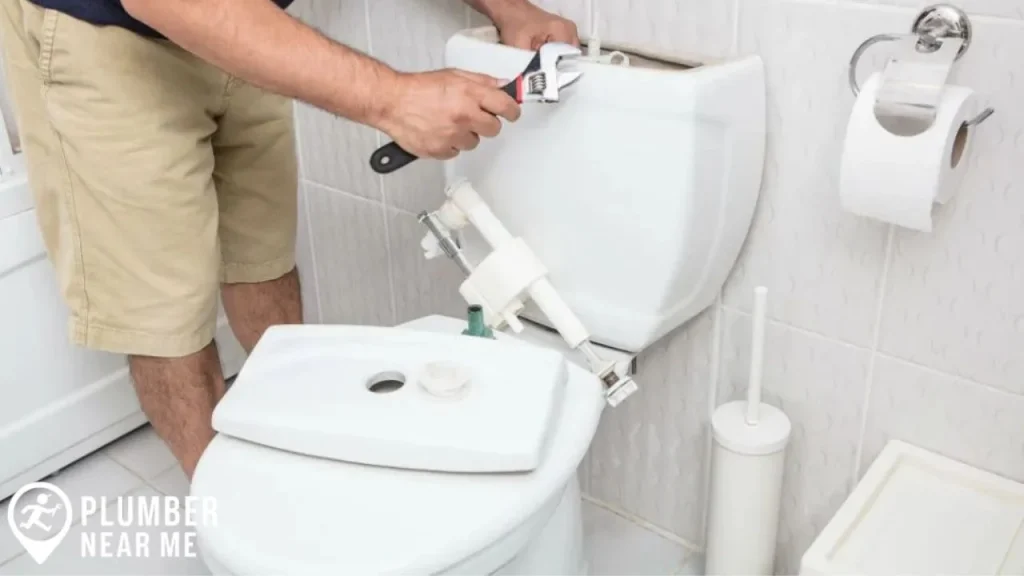
A leaky or faulty toilet tank wastes water, raises utility bills, and can cause frustration for homeowners. Luckily, most problems with toilet parts in tank are easy to identify and repair without needing a plumber. With just a few affordable tools and replacement parts, DIYers can handle common issues like leaks, running water, or weak flushes. You May Also Like: How To Replace Pedestal Sink Parts.
In this updated guide, we’ll explain the different parts of toilet tank systems, how to spot issues, and step-by-step methods for repairing or replacing faulty components.
👉 Looking for expert plumbing and venting solutions? Visit Plumber Near Me for trusted service and professional installation.
Understanding the Parts to a Toilet Tank
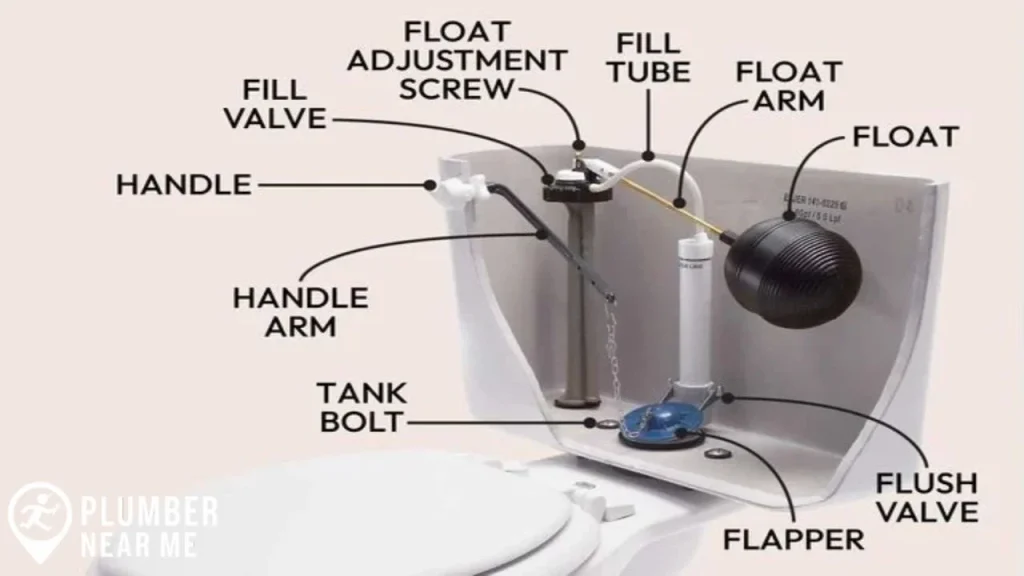
Before diving into repairs, it’s important to know the main toilet parts in tank and how they work together. The two primary systems are the flush valve and the fill valve.
Flush Valve Assembly
This mechanism releases water into the bowl when you flush. Its key parts include:
- Flapper – A rubber seal that covers the flush valve opening.
- Chain – Connects the flush handle to the flapper.
- Overflow tube – Prevents water from overflowing if the fill valve fails.
Fill Valve Assembly
This controls how much water refills the tank after each flush. Components include:
- Float – Rises with the water level and shuts off the valve when full.
- Adjustment screw/clip – Sets the correct water level.
- Refill tube – Sends water into the overflow tube to refill the bowl.
Diagnosing Toilet Tank Problems
If you suspect an issue, remove the tank lid and observe the parts of toilet tank while flushing. Some common problems are:
- Constantly running toilet – Usually a worn flapper or misaligned fill valve.
- Weak flush – Often caused by a short chain or low water level.
- Slow refill – A partially clogged or faulty fill valve.
- Water overflowing into the tube – The fill valve is set too high.
How to Replace Toilet Tank Parts – Step-by-Step
Replacing a Worn Flapper
- Turn off the water supply.
- Flush to empty the tank.
- Disconnect the chain from the flush handle.
- Remove the old flapper from the overflow tube.
- Install the new flapper securely.
- Reconnect the chain, turn water back on, and test.
Adjusting the Chain
- Leave about ½ inch of slack in the chain.
- Too tight = flapper won’t seal.
- Too loose = flapper won’t lift fully.
Cleaning the Flush Valve Seat
- Turn off water and flush.
- Wipe the valve seat with a cloth.
- Use fine sandpaper or pumice stone for mineral deposits.
Fixing Fill Valve Issues
Adjusting the Water Level
- The water line should be about 1 inch below the overflow tube.
- Use the adjustment screw or clip to raise/lower the float.
Cleaning or Replacing the Fill Valve
- Shut off the water.
- Flush to empty the tank.
- Remove the fill valve from the tank bottom.
- Clean with vinegar and a brush, or install a new one.
- Reattach, tighten, and check for leaks.
Fixing a Noisy Fill Valve
- Flush the supply line to clear debris.
- Adjust water pressure slightly.
- If noise persists, replace the fill valve.
Toilet Tank Maintenance Tips
- Inspect toilet parts in tank once a year for wear.
- Clean the tank interior to reduce mineral buildup.
- Avoid chemical tablets that damage rubber seals.
- Repair small leaks immediately to prevent major issues.
- Monitor water pressure—too high can strain tank parts.
- Consider upgrading to a modern water-saving toilet.
When to Call a Professional
Most homeowners can repair or replace parts to a toilet tank themselves. However, call a plumber if you notice:
- Cracks in the tank or bowl
- Persistent leaks after DIY fixes
- Complicated problems with high-efficiency toilets
Conclusion
Learning how to replace toilet tank parts is one of the easiest DIY plumbing tasks. From flapper replacements to fill valve adjustments, these repairs can be done in less than an hour and save money on water bills.
However, when problems go beyond basic wear and tear, hiring a professional plumber ensures lasting results.
By maintaining your toilet tank and checking its components regularly, you’ll extend its lifespan and keep your bathroom running smoothly.
👉 Looking for expert plumbing and venting solutions? Visit Plumber Near Me for trusted service and professional installation.