Understanding PTFE Tape: The Essential Guide for Effective Plumbing
Introduction
In the world of plumbing, ensuring watertight connections is paramount to prevent leaks, improve system longevity, and maintain safety. One of the most common and reliable tools used to achieve this is PTFE tape, also known as Teflon tape or plumber’s tape. This slender, white, or sometimes colored tape is a staple in the toolbox of both professional plumbers and DIY enthusiasts. This article explores the science behind PTFE tape, how it works, and the best practices for using it effectively with compression fittings and other plumbing fixtures. You May Also like: using proper gas grade teflon tape safe gas line sealing.
What is PTFE Tape?
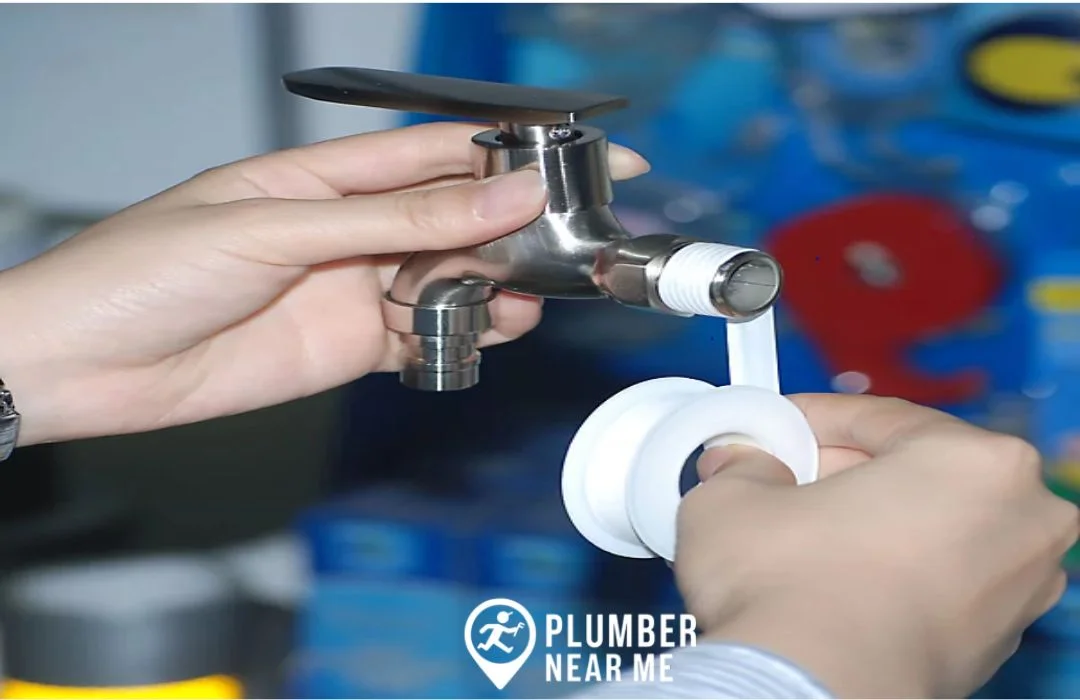
PTFE tape is a polytetrafluoroethylene (PTFE) based sealant tape used predominantly for threaded pipe connections. Its primary role is to prevent leaks and ensure a tight, secure fit between pipe threads.
Key Attributes of PTFE Tape:
-
- Non-reactive: Does not chemically react with plumbing materials.
-
- Lubricant properties: Facilitates easier assembly of threaded fittings.
-
- Heat and chemical resistance: Suitable for a variety of plumbing applications.
-
- Versatility: Used in residential, commercial, and industrial plumbing.
How Does PTFE Tape Work?
PTFE tape works primarily by creating a watertight seal between threaded pipe connections. Its effectiveness stems from several core mechanisms:
-
-
Filling Micro-gaps: When wrapped around threads, the tape fills the tiny crevices and imperfections, thus preventing water or gas from escaping.
-
-
-
Lubrication: The slippery surface of PTFE reduces friction during fitting assembly, allowing for tighter connections with less effort.
-
-
-
Chemical Barrier: The tape acts as a barrier against corrosion and chemical interactions, prolonging the life of fittings.
-
-
-
Pressure Compatibility: Its flexibility allows it to accommodate pressure variations within plumbing systems without compromising seal integrity.
-
Types of PTFE Tape
While the standard white PTFE tape is most common for household plumbing, other variants are available:
-
- White (Standard) PTFE Tape: Suitable for water supply fittings under moderate pressure.
-
- Yellow PTFE Tape: Designed for gas lines; thicker and more robust, ensuring safety.
-
- Pink PTFE Tape: Rated for industrial or high-pressure applications.
-
- Colored Tapes (e.g., Green, Blue): Denote specific applications or thickness for particular systems.
How To Use PTFE Tape Effectively
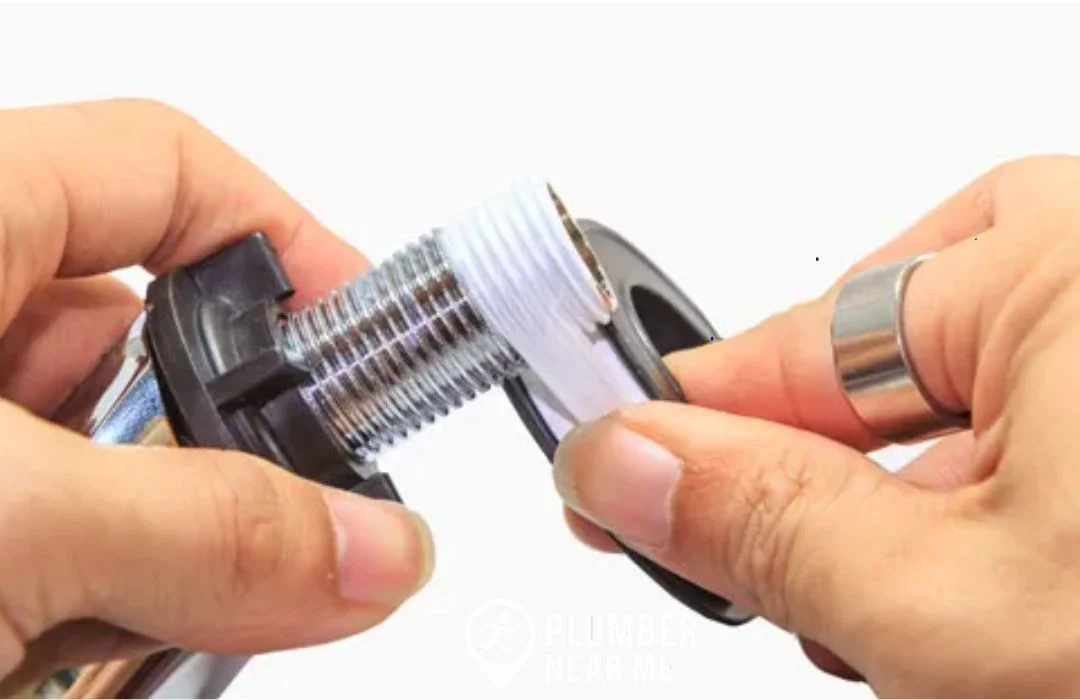
Maximizing the benefits of PTFE tape requires proper application. Here’s a step-by-step guide:
1. Preparation
-
- Ensure that threads are clean and dry, free from grease, dirt, or old sealant residues.
-
- Inspect for damaged or cross-threaded fittings; replace if necessary.
2. Determine the Length of Tape Needed
-
- Use about 2 to 3 wraps around the male threads (the end of the pipe or fitting).
-
- For gas lines, follow code recommendations, usually more wraps are necessary.
3. Applying the Tape
-
- Wrap in the direction of the threads, typically clockwise when looking at the end of the pipe.
-
- Keep the tape flat and smooth, avoiding wrinkles or overlaps that could cause blockages.
-
- Overlap the tape slightly to ensure full coverage, but avoid applying so much tape that it prevents fitting together properly.
4. Assembly
-
- Tighten the fittings by hand, then use a wrench to achieve the required torque.
-
- Be careful not to over-tighten, as this can damage threads or cause leaks.
5. Testing for Leaks
-
- Turn on the water or gas supply and observe the connection for any leaks.
-
- Use a dye test or soap solution to detect slow leaks if needed.
Best Practices and Tips
-
- Never double-wrap or excessively apply PTFE tape, as this can lead to over-tightening or thread damage.
-
- For compression fittings, PTFE tape is often used in conjunction with other sealants (like pipe dope) for extra assurance.
-
- When working with gas fittings, always use yellow tape and adhere to safety protocols.
When to Use PTFE Tape vs. Other Sealants
While PTFE tape is versatile and effective, some situations call for other sealing methods:
-
- Pipe joint compound (pipe dope): Suitable for situations where the tape might not provide enough seal, especially in high-pressure systems.
-
- Anaerobic sealants: Used primarily for metal-to-metal seals and high-pressure applications.
In general, PTFE tape is preferred for threaded connections in water supply lines and low to moderate pressure gas lines.
Common Applications of PTFE Tape
-
- Water supply lines
-
- Gas fittings
-
- Threaded valves
-
- Hose fittings
-
- Drainage systems
For those looking for assistance with plumbing projects, you can find a plumber near me or contact a licensed plumber near me for reliable service.
Advantages of Using PTFE Tape
| Benefits | Description |
|---|---|
| Cost-effective | Inexpensive and readily available |
| Easy to apply | Simple wrapping process suitable for DIYers |
| Reliable seal | Prevents leaks effectively when applied correctly |
| Chemical inertness | Suitable for most plumbing materials and chemicals |
| Reusable | Can be removed and reapplied if needed |
Potential Drawbacks and Precautions
-
- Over-application can cause difficulty in threading or damage threads.
-
- Not suitable for high-pressure gas lines unless explicitly rated.
-
- Old, degraded tape should be replaced to ensure sealing integrity.
-
- Be cautious when working with gas fittings, always follow local safety codes.
Conclusion
PTFE tape is an indispensable tool in the realm of plumbing, offering a simple yet highly effective means to secure watertight seals across a variety of threaded fittings. Proper application—such as wrapping the correct number of turns in the right direction and ensuring clean threads—can save you time, money, and potential headaches caused by leaks.
Whether you’re repairing a leak, installing new fittings, or doing routine maintenance, mastering the use of plumber’s tape can significantly improve your plumbing projects’ success rate. Remember to follow safety guidelines, especially when working with gas lines, and always consult a licensed plumber near me for complex or high-stakes tasks.
FAQs
Q1: How many wraps of PTFE tape should I use?
A: Typically, 2 to 3 wraps are sufficient for most applications. For gas or high-pressure systems, follow manufacturer instructions or local codes.
Q2: Can PTFE tape be used on plastic or PVC fittings?
A: Generally, PTFE tape is designed for threaded metal fittings. For PVC or plastic, use fittings and sealants designed specifically for those materials.
Q3: Is PTFE tape reusable?
A: It’s best to replace PTFE tape each time you disconnect and reconnect fittings to ensure sealing integrity.
Q4: Can I use PTFE tape alone to seal gas lines?
A: For gas lines, always use yellow PTFE tape rated for gas and follow safety regulations; sometimes, additional sealants are recommended.
Q5: What should I do if I notice a leak after applying PTFE tape?
A: Turn off the water or gas supply, disassemble the fitting, inspect for damage or improper wrapping, reapply fresh PTFE tape, and reassemble.
For reliable plumbing services including repairs, installations, or emergency assistance, consider contacting a professional. You can find a plumber near me to get expert help promptly.
Call Now for More Information
Dealing with leaky pipe threads can be frustrating, but plumber’s tape is a simple and effective solution for achieving a tight, leak-free seal. By wrapping threads correctly, you can prevent drips and extend the life of your plumbing connections. If leaks persist even after applying tape, the issue may be bigger than a loose fitting. Don’t wait until a small leak turns into a costly repair—call a trusted plumber today to ensure your pipes are sealed and working properly.