Understanding Plumber’s Blue Glue: The Essential PVC Pipe Cement
When it comes to plumbing installations and repairs, one of the most critical components is ensuring reliable, leak-proof joints between pipes and fittings. Plumber’s blue glue, also known as PVC pipe cement or solvent cement, plays a pivotal role in achieving this goal. This specialized adhesive is designed explicitly for joining PVC (polyvinyl chloride) pipes and fittings, ensuring a secure and durable connection. You May Also like:
In this comprehensive article, we will explore everything you need to know about plumber’s blue glue — from its composition and application techniques to safety considerations and troubleshooting tips. Whether you’re a DIY enthusiast or a professional plumber, understanding this material is fundamental for success in plumbing projects.
What Is Plumber’s Blue Glue?
Plumber’s blue glue is a solvent-based adhesive specially formulated for PVC piping systems. Its striking blue color is intentionally used to:
-
- Aid in visual inspection during application.
-
- Differentiate it from other types of pipe adhesives or solvents.
-
- Ensure thorough coverage before curing.
Key Characteristics of PVC Pipe Cement:
-
- Color: Bright blue (for visibility)
-
- Type: Solvent cement
-
- Consistency: Thin, gel-like, or liquid
-
- Application: Designed for permanent bonding
Functionality:
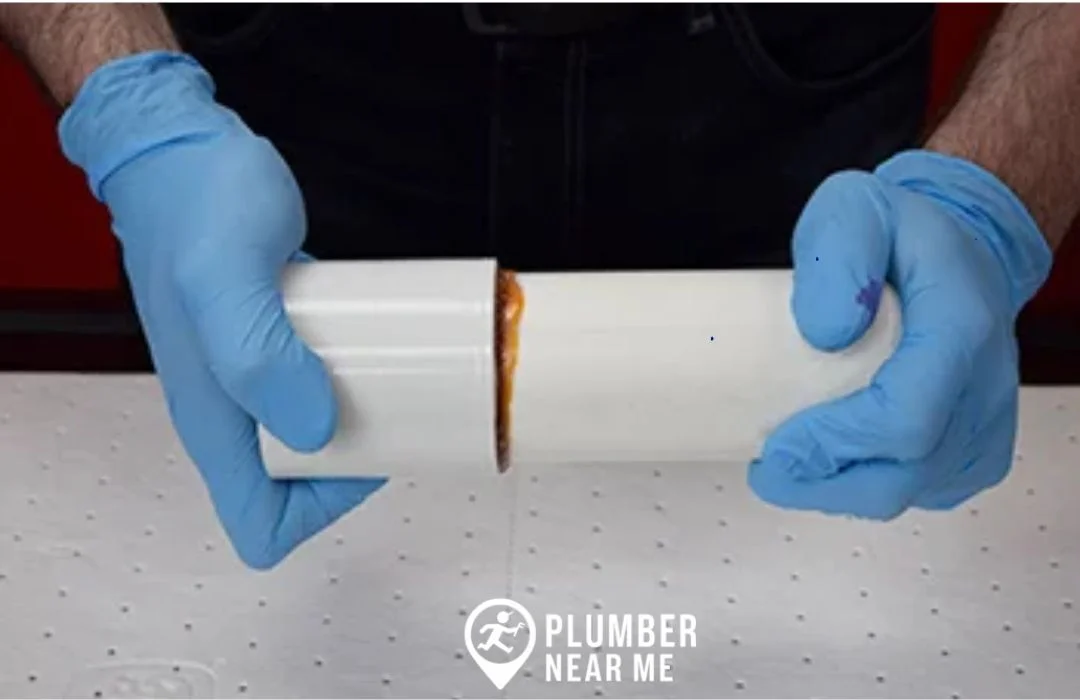
When applied, plumber’s blue glue acts as both an adhesive and a solvent. It softens the surface of the PVC pipe and fitting, dissolving a thin layer of plastic, which then fuses together as the solvent evaporates, creating a molecular bond that is both strong and water-tight.
Composition and How It Works
PVC pipe cement generally contains the following components:
-
- Solvents: Acetone, tetrahydrofuran, methyl ethyl ketone, and other chlorinated hydrocarbons. These solvents dissolve the PVC surface.
-
- Resins: Provide adhesive properties needed for bonding.
-
- Fillers and stabilizers: Ensure ease of application and long-term durability.
How does it work?
-
- Application: The solvent cement is applied generously to both the inside of the fitting and the outside of the pipe.
-
- Softening: The solvent temporarily melts and softens the surface.
-
- Fusion: The softened surfaces meld together as the solvent evaporates.
-
- Curing: The joint sets and hardens over a short period, creating a permanent bond.
This process results in a joint as strong as the pipe itself when properly applied and cured.
Why Use Blue PVC Cement?
Choosing the right adhesive is crucial for the integrity and longevity of plumbing systems. The blue color offers several advantages:
-
- Visibility: Ensures uniform application, reducing missed spots.
-
- Quality Association: Many professional-grade products are blue, signifying reliability.
-
- Code Compliance: Certain local codes specify blue cement for Schedule 40 and Schedule 80 PVC piping.
Common Applications:
-
- Residential plumbing installations
-
- Commercial pipe setups
-
- Repair jobs involving PVC piping
-
- Irrigation systems
-
- Drainage and vent systems
Proper Application Techniques
Achieving a professional-quality joint requires careful application and proper curing time. Follow these step-by-step instructions:
1. Prepare the Surface
-
- Clean pipes and fittings: Remove dirt, grease, or any contaminants with a clean cloth.
-
- Cut pipes properly: Use a pipe cutter for a square, smooth cut.
-
- Deburr edges: Smooth any roughness or burrs with a deburring tool to ensure a proper seal.
2. Apply Primer (Optional)
-
- PVC primer softens the surface further and helps with a stronger bond.
-
- Apply a thin coat to the outside of the pipe and inside the fitting.
-
- Allow to dry for a few seconds.
3. Apply PVC Cement
-
- Shake the blue cement container well.
-
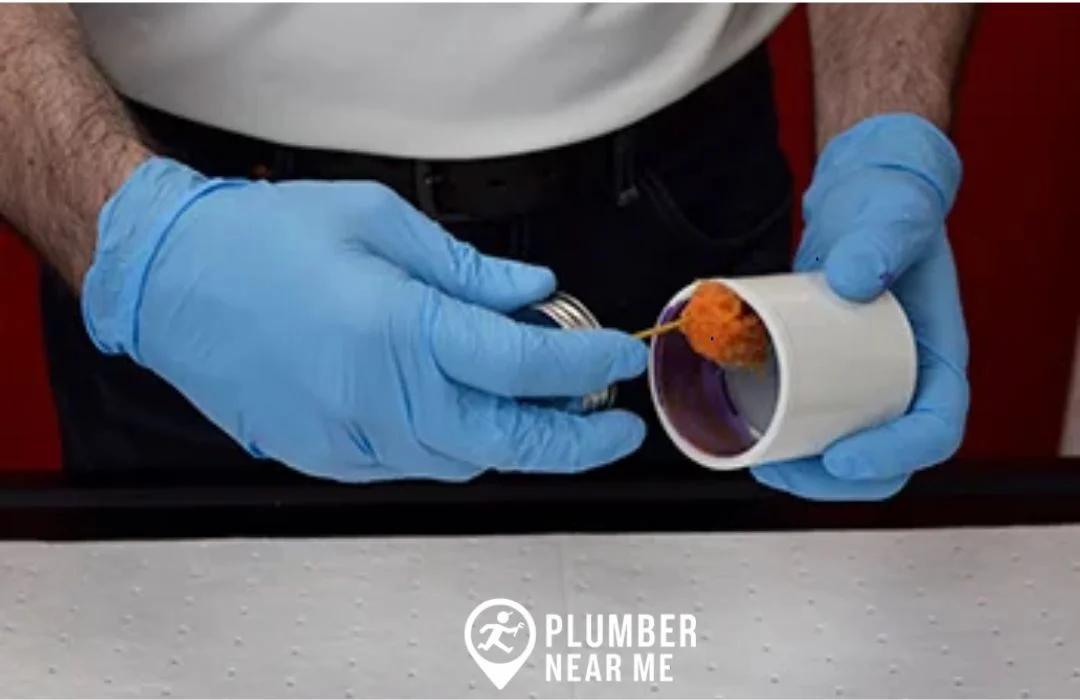
- Using an applicator brush or tip, apply an even coat on both the pipe’s outside and the fitting’s inside.
-
- Ensure full coverage, especially on the joint surface.
4. Join the Pipes
-
- Immediately insert the pipe into the fitting, giving it a quarter turn for even distribution.
-
- Push firmly to ensure full seating.
-
- Hold the joint for about 30 seconds to prevent slipping.
5. Allow for Proper Curing
-
- Cure time varies based on diameter, temperature, and pressure.
-
- Generally, allow at least:
-
- 2 hours for small-diameter pipes
-
- 24 hours for larger pipes or high-pressure systems
-
- Generally, allow at least:
-
- Avoid stress or movement on the joint during curing.
6. Check the Joint
-
- Ensure no gaps, over-application, or missing spots.
-
- Use visual inspection to confirm uniform coverage.
Safety Precautions
Due to its chemical composition, plumber’s blue glue requires strict safety measures:
-
- Work in a well-ventilated area to avoid inhaling fumes.
-
- Wear protective gloves and eye protection during application.
-
- Avoid skin contact; if contact occurs, wash immediately with soap and water.
-
- Keep away from children and open flames.
-
- Store in a cool, dry place away from heat sources.
Troubleshooting Common Issues
Problem: Joint leaks after installation
Solution:
-
- Ensure proper surface preparation.
-
- Use adequate cement and apply it evenly.
-
- Allow proper curing time before pressure testing.
Problem: White or cloudy joints
Solution:
-
- Verify that the primer was used correctly.
-
- Ensure the cement was fresh and applied properly.
Problem: Difficulty fitting pipes
Solution:
-
- Check pipe and fitting dimensions.
-
- Deburr the edges thoroughly.
-
- Avoid over-applying cement to make insertion easier.
Differences Between PVC and Other Solvent Cements
While PVC pipe cement (blue glue) is commonly used for PVC, other types include:
-
- CPVC Cement: Specifically formulated for chlorinated PVC (CPVC) pipes.
-
- ABS Cement: For ABS pipes, usually colored black or clear.
-
- Hybrid or universal cements: Designed for multiple plastics but may not provide the same strength.
Always ensure you’re using the correct cement specified for your piping material and application.
Conclusion
Plumber’s blue glue (PVC pipe cement) is an essential material for professional and DIY plumbing repairs involving PVC pipes. Its solvent action creates permanent, water-tight joints when applied properly, making it a trusted choice among plumbers worldwide.
Proper surface preparation, application technique, and curing are vital for achieving strong, durable connections. By understanding its composition, purpose, and application process, users can ensure the longevity and functionality of their plumbing systems.
If you’re seeking reliable plumbing services near me, consider finding a licensed plumber near me here. A professional plumber can assist with complex repairs, ensure compliance with local codes, and provide peace of mind.
FAQs
Q1: How long does PVC pipe cement take to fully cure?
A: Curing time depends on pipe size and environmental conditions, but generally, it takes at least 2 hours for small pipes and up to 24 hours for larger or high-pressure systems for full strength.
Q2: Can I use clear or white cement instead of blue?
A: Yes, but blue cement is preferred for visibility and often required by building codes. Clear or white cements may be used for specific applications, but ensure they are suitable for PVC piping.
Q3: Is PVC cement suitable for above-ground or underground piping?
A: PVC cement is suitable for both above-ground and underground applications if proper curing and installation techniques are followed.
Q4: Can I use PVC cement for repairing leaks?
A: Typically, PVC cement is designed for permanent joints during installation. For leaks, it is better to replace damaged sections or consult a professional plumber.
Q5: What should I do if my joint leaks after curing?
A: Ensure proper application, allow sufficient curing time, and check for surface prep issues. If problems persist, it may be necessary to re-cut, clean, and rebond the pipe or consult a local plumber.
For any plumbing needs, whether installations, repairs, or emergency services, always opt for certified professionals to ensure safety and compliance.
Call Now for More Information
When it comes to gas line connections, safety is non-negotiable. Using the correct gas-grade Teflon tape helps ensure a secure, leak-free seal that protects your home and family. Regular Teflon tape isn’t designed to handle the demands of gas fittings, so choosing the proper grade is critical. If you’re unsure about installing or sealing gas lines on your own, don’t take chances—call a licensed plumber for professional help. The right expertise guarantees both safety and peace of mind.