Few things are more frustrating than a toilet that just won’t flush properly. Most people immediately grab a plunger, but what if that doesn’t work? This is where a toilet snake (also called a closet auger) becomes your best friend. It’s a simple plumbing tool that can save you hundreds of dollars and prevent the hassle of calling a plumber right away. You May Also Like: How To Install a Garbage Disposal.
If you’re wondering how to snake a toilet the right way, this guide will walk you through everything—from what a toilet snake is, how to use it safely, when to call a plumber, and even cost considerations. And remember, if DIY solutions don’t work, you can always count on professionals at Plumber Near Me for reliable plumbing help.
What Is a Toilet Snake and Why Do You Need One?
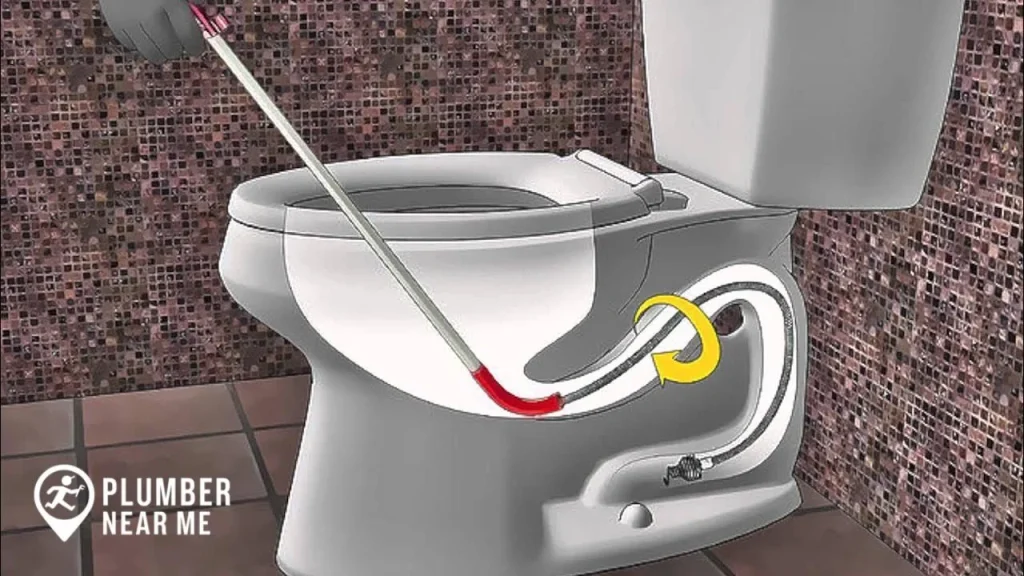
A toilet snake is a flexible, coiled cable with a crank handle designed to move through your toilet drain. Unlike plungers that only create suction at the surface, a toilet snake can travel deep into the pipes to break down or pull out blockages.
- Length: Most are 3–6 feet long.
- Protective design: Closet augers have a rubber sleeve to protect the porcelain from scratches.
- Affordable: A manual toilet snake usually costs under $30 at local hardware stores or online (many people search for “toilet snake Home Depot” because it’s a common place to buy one).
You need one if:
- Plunging isn’t solving the clog.
- The blockage is deeper in the pipe.
- You want a safer alternative to harsh chemical drain cleaners.
How To Snake a Toilet: Step-By-Step
1 Step: Prepare Your Bathroom
Before you begin, set up your workspace:
- Wear rubber gloves.
- Lay old towels or newspapers around the toilet.
- Keep a bucket nearby for debris.
- Ensure kids and pets are out of the bathroom.
2 Step: Insert the Snake
- Position the snake’s tip into the toilet drain.
- Slowly crank clockwise while pushing the cable into the drain.
- Let the snake naturally follow the curve of the pipe.
3 Step: Locate the Clog
- You’ll feel resistance when the snake hits a blockage.
- Alternate between cranking and gently pushing.
- If you encounter a bend, work the snake carefully to avoid scratches.
4 Step: Break or Remove the Clog
- For soft clogs (like toilet paper buildup), keep cranking until it breaks apart.
- For solid objects, try to hook the clog with the coiled tip and pull it out.
5 Step: Remove and Clean
- Retract the snake slowly, turning counterclockwise.
- Dispose of debris into the bucket.
- Flush the toilet to confirm the blockage is gone.
Troubleshooting: If Snaking Doesn’t Work
Even after snaking, some clogs are stubborn:
- Try again at different angles.
- Alternate between plunging and snaking.
- Consider a longer auger or electric snake.
- Use a clogged toilet diagram to understand where blockages typically form in the trap or drain.
If you’ve tried multiple times and the toilet still doesn’t flush, it may be a deeper plumbing issue. At that point, calling a professional from Plumber Near Me is your best bet.
Aftercare: Cleaning & Preventing Future Clogs
Cleaning Tools
- Wash the snake with hot soapy water.
- Disinfect with bleach or disinfectant spray.
- Let tools dry before storing.
Preventing Clogs
- Avoid flushing wipes, paper towels, or feminine hygiene products.
- Use septic-safe toilet paper.
- Teach kids not to flush toys or foreign objects.
- Schedule routine plumbing inspections if your home often experiences clogs.
When to Call a Professional Plumber
While most homeowners can handle small clogs, call a plumber if:
- Sewage backs up into your bathtub or sinks.
- There are foul odors from multiple drains.
- You hear gurgling sounds after flushing.
- Snaking doesn’t solve the problem.
A professional plumber has specialized tools like motorized augers or hydro jetting machines that clear even the toughest blockages.
Cost: DIY vs. Hiring a Plumber
- DIY with a toilet snake: $20–$50 (one-time investment).
- Professional service: $125–$300 depending on the clog’s severity.
- Emergency plumbing service: Can be $500+ during nights or weekends.
FAQs About Toilet Snakes
What is the difference between a toilet snake and a drain auger?
A toilet snake is designed with a rubber sleeve to protect toilets, while general drain augers may scratch porcelain.
How often should I snake my toilet?
Only when needed—snaking too often can wear down pipes.
Can chemical cleaners replace a toilet snake?
No. Chemicals may corrode pipes, and they rarely solve solid clogs. A snake is safer and more effective.
Is it better to buy or rent a toilet snake?
If you only deal with clogs once a year, renting is fine. But if clogs are frequent, buying a snake is cost-effective.