A garbage disposal is one of the most useful additions to any modern kitchen. It not only keeps your sink free from food debris but also helps reduce household waste and bad odors. Many people think garbage disposal installation is complicated, but with the right guidance, you can handle it yourself without much stress. You May Also Like: How Do Siphons Work.
In this article, we’ll explain everything about how to install a garbage disposal—from preparation and tools to plumbing, electrical work, testing, and maintenance. Plus, we’ll answer common FAQs and share tips to keep your disposal running for years. And remember, if you ever need professional help, Plumber Near Me is always available for expert garbage disposal plumbing services.
Why Installing a Garbage Disposal is Worth It
Having a garbage disposal is more than just a kitchen convenience—it’s an investment in your home’s plumbing system. Here’s why:
- Clog prevention: It grinds food waste into small particles, preventing blockages in your pipes.
- Odor control: Leftover food can rot in the trash, but a disposal eliminates this problem.
- Eco-friendly waste management: Less food in landfills means reduced methane gas emissions.
- Cleaner kitchen environment: Fewer food scraps in bins means fewer pests and smells.
Tools and Materials Checklist
To avoid interruptions, prepare your tools and materials in advance.
Materials
- Garbage disposal unit (continuous feed or batch feed)
- PVC pipes and fittings (Schedule 40 PVC works best)
- Plumber’s putty
- Pipe glue and cleaner
- Optional: dishwasher connection kit
Tools
- Screwdrivers (flathead and Phillips)
- Adjustable wrench
- Mini hacksaw
- Plumber’s bucket for sludge/water
- Safety gloves and goggles
Preparing the Sink Area
Preparation makes installation easier and less messy.
- Turn off the power: Switch off the disposal circuit at your electrical panel.
- Remove the old P-trap: Unscrew it using a wrench. Keep a bucket underneath—it always has standing water.
- Cut and remove old piping: If necessary, cut it neatly with a mini hacksaw.
- Remove sink flange & stopper: Loosen them from below the sink.
- Clean the area: Scrape off old putty and wipe down the sink opening.
This step ensures a strong seal for your new garbage disposal.
Step-by-Step Garbage Disposal Installation
Now let’s get into the main part.
- Install the sink flange
- Roll plumber’s putty between your hands and apply it under the flange.
- Insert the flange into the drain hole from the top.
- Secure the mounting assembly
- From under the sink, tighten the mounting bracket.
- Depending on the model, you may need screws or a locking ring.
- Prepare dishwasher connection (if needed)
- Knock out the small plug on the disposal.
- Attach the dishwasher hose if your setup requires it.
- Attach the disposal unit
- Lift the garbage disposal and align it with the flange.
- Twist it into place until it locks securely.
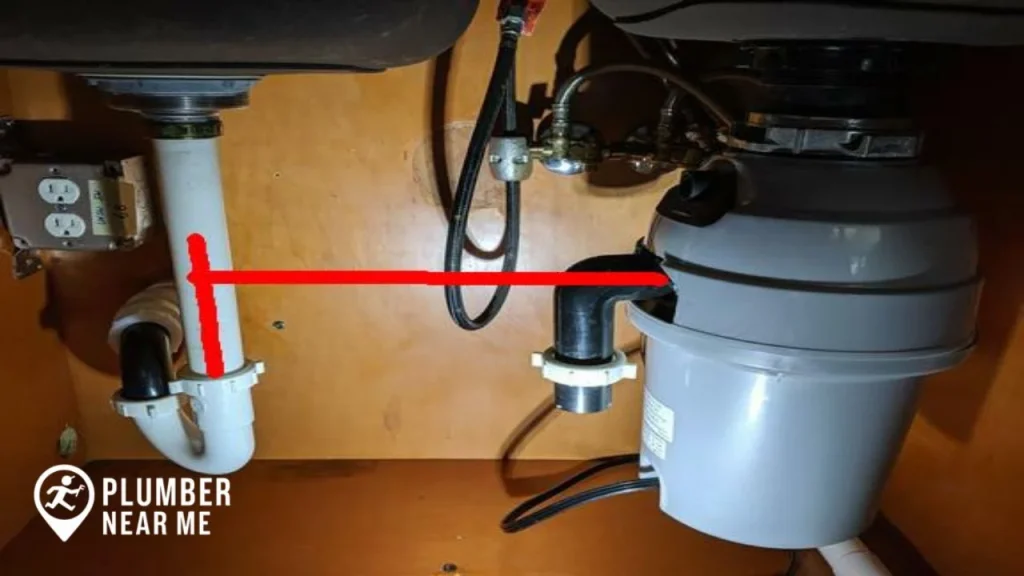
- Connect the plumbing
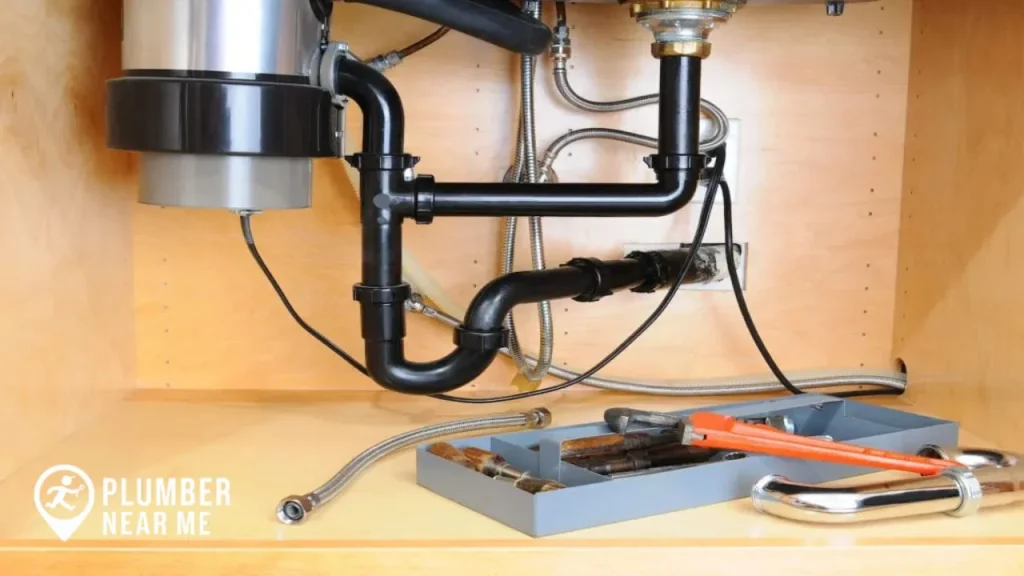
- Position the disposal’s outlet to the P-trap.
- Measure and cut new PVC pipes if required.
- Seal joints with glue and tighten fittings with a wrench.
- Electrical connection
- If your unit plugs into an outlet, simply connect it.
- If hardwiring is required, follow local electrical codes or call an electrician.
- Final checks
- Turn on the water and run it through the sink.
- Switch on the disposal to check for leaks or unusual sounds.
Garbage Disposal Plumbing Tips
Plumbing is often the most confusing part. Remember:
- Always use the correct pipe size (check inside diameter vs. outside diameter).
- Repair couplings help in tight spaces.
- Keep pipe connections aligned to avoid leaks.
Electrical Safety Considerations
Since garbage disposals are electrical appliances, safety matters.
- Use a GFCI outlet for added protection.
- Make sure the circuit supports the disposal’s amperage (usually 15–20 amps).
- If no outlet exists, hire a licensed electrician.
Testing Your New Garbage Disposal
After installation, test it properly:
- Run cold water continuously.
- Flip the wall switch or plug in the unit.
- Feed in small food scraps to ensure smooth operation.
- Check under the sink for any drips or moisture.
If leaks appear, tighten fittings or reapply plumber’s putty.
Garbage Disposal Maintenance Tips
A little care goes a long way.
- Use cold water only—it keeps grease solid and easier to flush away.
- Avoid fibrous foods (celery, corn husks) that tangle blades.
- No grease or oils—they harden in pipes and cause clogs.
- Clean with ice & citrus peels once a week for fresh smell and sharper blades.
- Never use chemical cleaners—they damage seals and pipes.
Types of Garbage Disposals
Choosing the right unit is just as important as installing it.
Continuous Feed
- Works with a wall switch.
- Handles large amounts of waste.
- Affordable and widely available.
- Needs careful use to avoid overloading.
Batch Feed
- Activated with a stopper.
- Safer (nothing falls in accidentally).
- Quieter but usually more expensive.
- Takes more time to process waste.
FAQs About Garbage Disposals
Q: How much does it cost to replace a garbage disposal?
A: On average, the cost to replace garbage disposal ranges from $200 to $500, including the unit and professional labor.
Q: Can I replace garbage disposal myself?
A: Yes! If you’re confident with plumbing and basic wiring, you can do it yourself. Otherwise, hiring a plumber saves time and avoids leaks.
Q: What’s the difference between garbage disposal installation and replacement?
A: Installation is for a new setup where none existed before, while replacement means swapping out an old unit for a new one. Replacement is usually faster.
Q: Which foods should never go in?
A: Avoid bones, grease, fibrous foods, and coffee grounds—they damage the blades or clog drains.
Conclusion
Installing a garbage disposal might seem like a big task, but with the right steps, tools, and safety measures, it’s very doable. From preventing drain clogs to keeping your kitchen odor-free, a disposal is a valuable upgrade for any home.
If you’re ready to install one, follow this guide carefully. But if you’d rather have a professional handle the plumbing and electrical connections, contact Plumber Near Me for trusted and reliable installation services.