Understanding Plumber’s Putty and Its Uses
Plumber’s putty is an essential material in the toolkit of professional plumbers and DIY enthusiasts alike. It is a versatile sealing compound designed to create a waterproof, watertight seal in various plumbing applications. Whether you’re sealing sink drains, faucet bases, or bathroom fixtures, understanding how to effectively use plumber’s putty can save you both time and money. You May Also like: understanding common types of plumbing seals and gaskets.
What Is Plumber’s Putty?
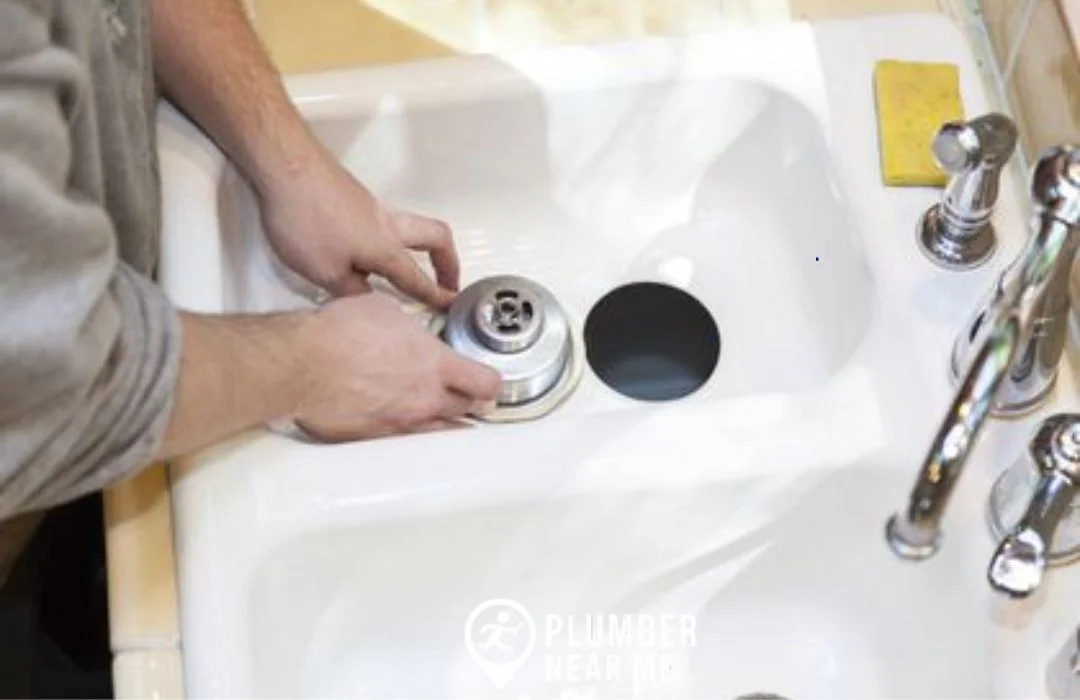
Plumber’s putty is a soft, pliable sealing material composed mainly of clay, linseed oil, and other additives. Its primary function is to seal joints, fittings, and fixtures that are not meant to be permanently sealed with solder or glue. Because of its malleability, plumber’s putty can easily be molded into any shape, making it perfect for irregular surfaces and tight spots.
Key Properties of Plumber’s Putty:
-
- Flexibility: Can be easily shaped or molded.
-
- Waterproof: Provides a reliable seal against water leaks.
-
- Removable: Can be removed without damaging surfaces.
-
- Non-hardening: Does not cure or harden over time.
When and Where to Use Plumber’s Putty
Common Applications include:
-
- Sealing sink drains and overflow fittings
-
- Faucet mounting to the sink or bathtub
-
- Sealing the base of bathroom fixtures
-
- Gasketing low-pressure plumbing connections
-
- Sealing around plumbing fixtures in kitchen and bathroom remodeling
Important Note:
Plumber’s putty should not be used on movable or pressurized parts such as water supply lines or ball valves. For such applications, silicone caulk or other sealants are more appropriate.
How to Use Plumber’s Putty Effectively
Using plumber’s putty correctly is crucial for a long-lasting, leak-proof seal. Follow these steps for optimal results:
1. Prepare the Surface
Ensure the surface where you’ll apply the putty is clean, dry, and free of old sealant, debris, or grease. Surface cleanliness enhances adhesion.
2. Knead the Putty
Take an appropriate amount of plumber’s putty and knead it until it becomes soft and pliable. This process makes it easier to mold and ensures a better seal.
3. Apply the Putty
-
- Roll the putty into a rope-like shape (about 1/4 inch thick).
-
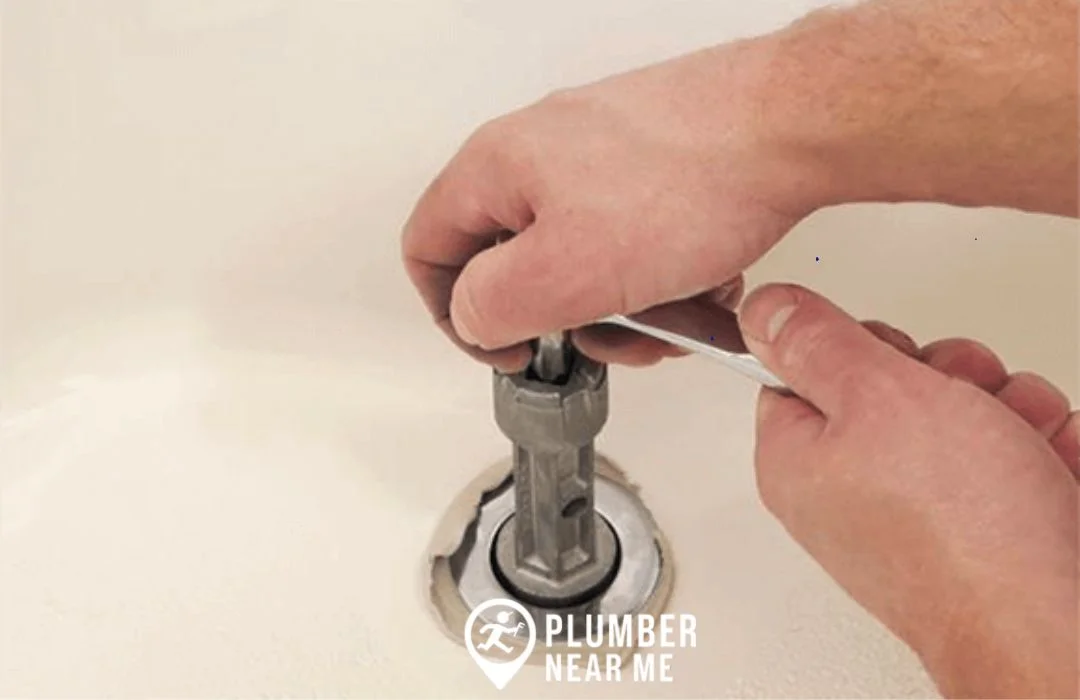
- Place the putty around the underside of the fixture or drain flange, pressing firmly to create a seal.
- Place the putty around the underside of the fixture or drain flange, pressing firmly to create a seal.
-
- Avoid overapplication; a thin, even layer is sufficient.
4. Set the Fixture
-
- Carefully install the fixture or fitting onto the prepared surface.
-
- Press firmly to ensure the putty spreads evenly and seals all gaps.
-
- Wipe away any excess putty that oozes out for a clean appearance.
5. Do Not Cure
Unlike some sealants, plumber’s putty does not cure or harden. It remains flexible and can typically be adjusted or removed later if necessary.
Tips for Best Results
-
- Use only on non-pressurized, low-pressure connections.
-
- For modern porcelain sinks or materials sensitive to oil-based products, opt for silicone-based sealants.
-
- Avoid spreading plumber’s putty on raw metal surfaces that will be painted or finished, as it may interfere with paint or finishes.
-
- When removing old or damaged seals, ensure the surface is completely cleaned before applying new putty.
Safety Considerations
-
- Work in a well-ventilated area to avoid inhaling dust or fumes.
-
- Wear gloves to prevent skin contact, especially if you are allergic or sensitive to any components.
-
- Keep putty away from children and pets.
Advantages of Using Plumber’s Putty
-
- Ease of Use: Simple to mold and apply.
-
- Removability: Easy to remove if repairs are needed.
-
- Cost-Effective: An affordable solution for sealing needs.
-
- Reliable Seal: Provides a consistent waterproof barrier if used correctly.
Limitations and Precautions
While plumber’s putty is highly versatile, it has some limitations:
-
- Not suitable for plastic or flexible fixtures as it may cause staining or damage.
-
- Not recommended for pressurized plumbing or water supply lines.
-
- Does not adhere well to certain materials like PVC or PVC pipes.
Conclusion
Plumber’s putty remains a trusted and versatile material for many plumbing tasks. Its ease of use, flexibility, and effective sealing make it a tool of choice for both professional plumbers and DIY homeowners. However, understanding where and how to correctly apply plumber’s putty is essential for ensuring leak-proof and long-lasting results.
By following proper preparation, application techniques, and safety guidelines, you can successfully utilize plumber’s putty to prevent leaks, seal fixtures, and maintain your plumbing system effectively.
FAQs
Q1: Can plumber’s putty be used on plastic surfaces?
A: Generally, no. Plumber’s putty can stain or damage certain plastics, so it is advisable to test on a small area first or opt for silicone sealant for plastic surfaces.
Q2: How long does plumber’s putty last?
A: Since plumber’s putty does not harden, it remains flexible indefinitely. However, over time, if it loses its sealing properties or becomes dirty, it should be replaced.
Q3: Is plumber’s putty waterproof?
A: Yes, plumber’s putty is designed to prevent water leakage effectively when applied correctly.
Q4: Can I use plumber’s putty for high-pressure applications?
A: No, it is not suitable for high-pressure or pressurized plumbing systems. Use appropriate sealants like silicone caulk or pipe thread sealant for such applications.
Q5: How do I remove plumber’s putty?
A: Simply scrape off the putty with a putty knife or similar tool. Clean the surface thoroughly afterward, and reapply fresh putty if needed.
Q6: Where can I find a reliable plumber to assist with plumbing issues near me?
A: You can find a plumber near me through trusted services like Plumber Near Me. Whether you need a residential plumber, emergency plumber near me, or licensed plumber near me, professional plumbing services are readily available.
Remember: Proper use of plumber’s putty can save you time and prevent costly repairs in the future. For expert assistance, consider hiring a local plumber or 24 hour plumber near me for urgent needs — ensuring your plumbing projects are conducted safely and effectively.
Call Now for More Information
If you’re unsure about sealing your drains or fixtures with plumber’s putty, calling a professional plumber can save you time and stress. Local plumbing experts know the best techniques and materials to ensure leak-free installations that last. Don’t risk water damage from a poor seal—reach out today for trusted help and reliable service.