A plumber’s seal typically refers to various types of seals, such as gaskets, washers, or sealants, used by plumbers to prevent leaks and ensure a watertight or airtight connection in plumbing systems. These essential components play a crucial role in maintaining the integrity of plumbing installations, whether in residential, commercial, or industrial settings. Proper selection, installation, and maintenance of seals can significantly reduce water wastage, prevent costly damages, and extend the lifespan of plumbing fixtures and pipes. You May Also like: tips for finding expert water heater plumbers.
Understanding the Importance of Plumber’s Seals
In plumbing systems, the connection points between pipes, fittings, and fixtures are potential points of leakage. Seals serve as barriers that prevent water or air from escaping at these junctions. They are especially critical in areas prone to high pressure, temperature fluctuations, or movement.
Without proper sealing, even a tiny leak can lead to:
-
- Water damage
-
- Mold growth
-
- Reduced water pressure
-
- Increased water bills
-
- Structural damage over time
Thus, the correct application of high-quality seals is a fundamental aspect of professional plumbing.
Common Types of Plumber’s Seals
There are various types of seals used in plumbing, each suited for specific applications. The choice depends on factors such as the nature of the piping system, temperature, pressure, and materials involved.
1. Gaskets
Gaskets are flat sealing materials placed between two surfaces to prevent leaks during compression. They are typically made from rubber, silicone, cork, or other compressible materials.
-
- Applications: Pipe flanges, pump connections, valves
-
- Advantages:
-
- Provide a strong seal
-
- Suitable for high-pressure systems
-
- Easily replaceable
-
- Advantages:
2. Washers
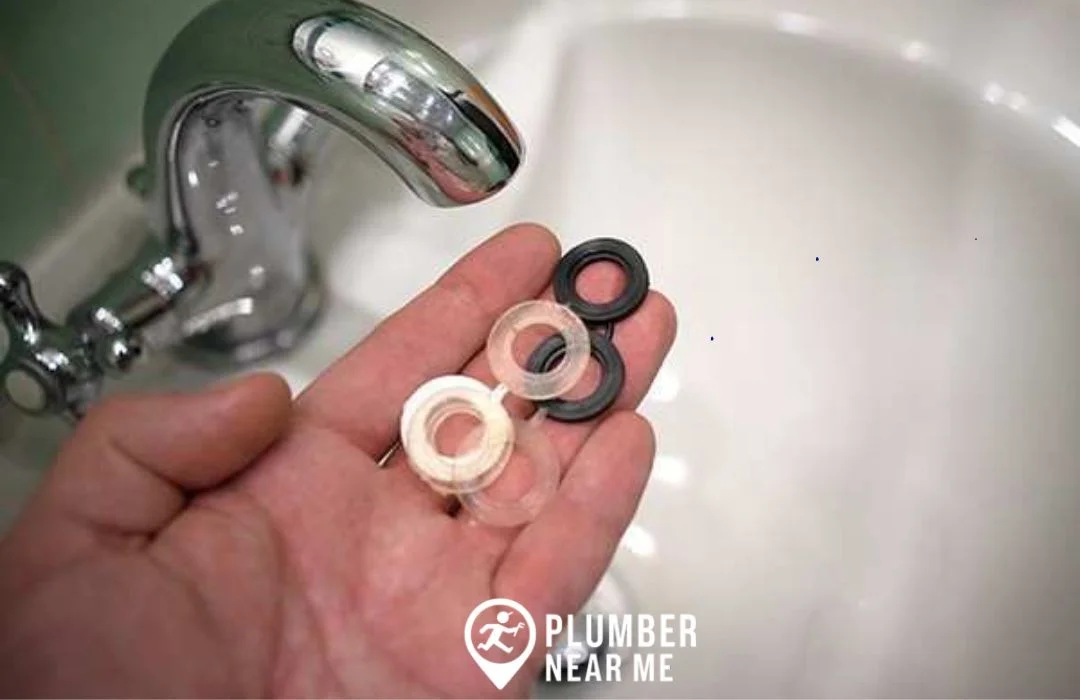
Washers are small disc-shaped seals that fit under the head of a bolt or nut, used to distribute the load and prevent leaks around threaded connections.
-
- Materials: Rubber, metal, nylon
-
- Applications: Faucet assembly, compression fittings
-
- Benefits:
-
- Prevent thread leaks
-
- Reduce damage to fittings
-
- Easy to install and replace
-
- Benefits:
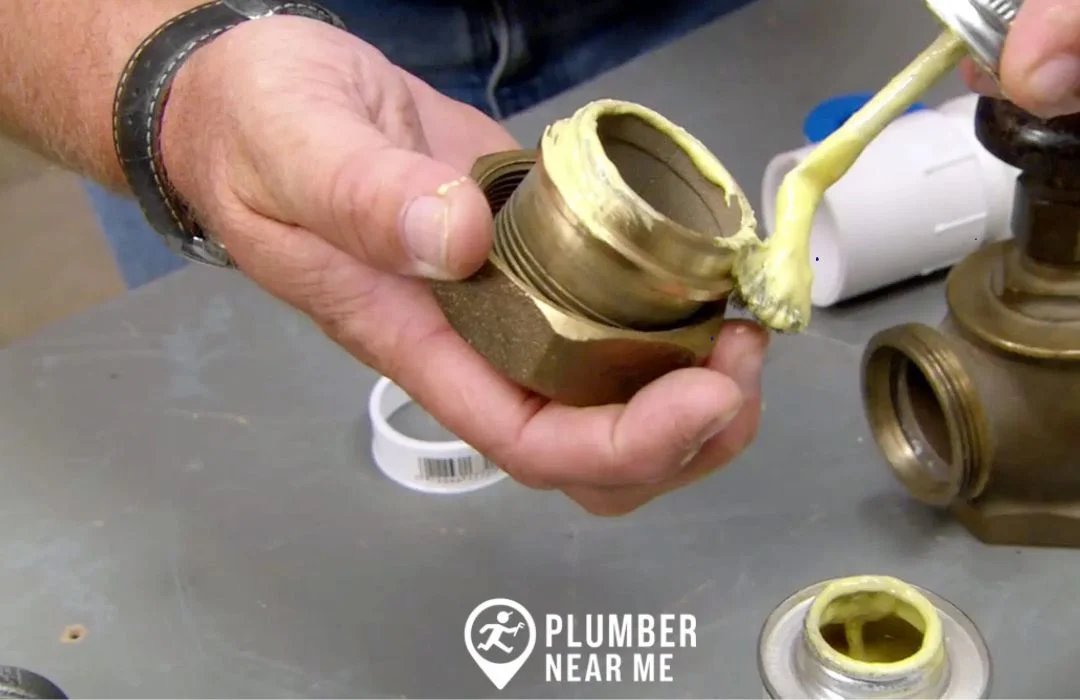
3. Sealants and Thread Sealants
Sealants are chemical compounds that create a flexible, waterproof barrier on pipe threads or joints. They are applied as a paste, tape, or liquid.
-
-
Types:
-
- Pipe thread tape (e.g., PTFE tape)
-
- Pipe dope (liquid sealant)
-
- Silicone sealants
-
-
-
-
Uses: Connecting threaded pipes, fittings, and valves
-
-
-
Advantages:
-
- Ensure airtight and watertight seals
-
- Seal irregular surfaces
-
- Prevent corrosion
-
-
4. O-rings
O-rings are circular seals designed to fit into grooves and create a tight barrier against fluids or gases.
-
- Materials: Rubber, fluorocarbon, silicone
-
- Applications: Faucets, valves, pumps
-
- Characteristics:
-
- Provide excellent sealing properties
-
- Handle pressure and temperature variations well
-
- Characteristics:
Materials Used in Plumbing Seals
The effectiveness of a seal depends heavily on the material used. Below are the common materials:
-
- Rubber: Flexible, durable, and resistant to water and chemicals.
-
- Silicone: High temperature tolerance, rubber-like flexibility.
-
- Cork: Compressible, natural material suitable for low-pressure applications.
-
- PTFE (Polytetrafluoroethylene): Known as Teflon, excellent chemical resistance.
-
- Metal: Used in washers and gaskets for high-temperature and high-pressure environments.
Selecting the Right Seal
Choosing the appropriate seal type and material depends on several factors:
-
- Pressure and Temperature: High-pressure or high-temperature systems require durable materials like metal or silicone.
-
- Application Type: For threaded connections, thread sealants are preferred; for flanged joints, gaskets are suitable.
-
- Compatibility: Ensure that the seal material is compatible with the fluids (water, oil, chemicals).
-
- Ease of Installation: Some seals are easier to install and replace, which can be critical during repairs.
Installation Tips for Effective Sealing
Proper installation ensures the long-term effectiveness of plumbing seals:
-
- Clean surfaces before installation to remove debris, dirt, or old sealant remnants.
-
- Use the correct size and type of seal for the connection.
-
- Avoid over-tightening fittings, which can damage seals.
-
- Apply sealants evenly and as per manufacturer’s instructions.
-
- Regularly inspect seals for signs of wear or deterioration and replace as necessary.
Common Issues and Troubleshooting
Even with high-quality seals, problems may arise:
-
- Leaks: Often caused by improper installation, old or damaged seals, or incompatible materials.
-
- Cracking or splitting: Resulting from age, exposure to chemicals, or excessive pressure.
-
- Deformation: During improper tightening or thermal expansion.
Solutions: Regular maintenance, timely replacement of worn seals, and consulting a professional plumber for complex issues.
Why Professional Plumbing Services Matter
While some small leaks can be fixed DIY style, many plumbing tasks require expertise to ensure proper sealing and prevent further damage. A licensed plumber near me or a local plumber can provide reliable service, especially for complex or high-pressure systems.
If you’re experiencing persistent issues, it’s best to seek a plumber in my area who can:
-
- Provide high-quality plumbing repair near me
-
- Handle drain cleaning near me
-
- Address leak repair near me
-
- Assist with water heater repair near me and more
For urgent repairs, look for a 24 hour plumber near me or emergency plumber near me to ensure quick and reliable service.
Conclusion
Plumber’s seals are fundamental components of a well-functioning plumbing system. From gaskets and washers to sealants and O-rings, each type plays a specific role in ensuring leak-proof and durable connections. Proper selection, installation, and maintenance of these seals not only prevent costly water damage but also optimize the efficiency and longevity of plumbing fixtures.
Choosing the right seal involves understanding the specific application, materials involved, and environmental factors. Whether you’re a homeowner or a professional contractor, investing in high-quality seals and professional installation can save time, money, and potential headaches down the line.
If you’re dealing with leaks or planning installations, it’s always best to consult experienced plumber services near me. Reliable professionals can provide the expertise needed to ensure your plumbing system remains watertight for years to come.
FAQs
Q1: What is the most common type of seal used in residential plumbing?
A: The most common are washer seals and PTFE tape for threaded connections, along with various gaskets in fixtures and appliances.
Q2: How often should I replace plumbing seals?
A: It depends on usage and environment, but generally seals should be inspected annually and replaced if they show signs of wear, cracking, or leaks.
Q3: Can I use regular tape instead of specialized plumber’s tape?
A: No, it’s best to use PTFE (Teflon) tape or approved sealants designed for plumbing applications for effective sealing.
Q4: Are silicone sealants suitable for all plumbing applications?
A: Silicone sealants are excellent for many applications but may not be suitable for all types of pipes or fittings; check manufacturer recommendations.
Q5: How do I find a reputable plumber for sealing or repairs?
A: Use local directories or online searches for a licensed plumber near me or plumbing services near me. Reading reviews can also help gauge reliability.
For trusted professional plumbing, visit Plumber Near Me.
Maintaining a leak-free system starts with understanding and properly using the right seals. Always prioritize quality and professional assistance to ensure your plumbing remains efficient and reliable.
Call Now for More Information
Plumbing systems rely on seals and gaskets to keep connections watertight and prevent costly leaks. From rubber washers in faucets to O-rings, flange gaskets, and wax rings for toilets, each type serves a specific purpose in maintaining a secure plumbing system. By understanding the most common types of plumbing seals and gaskets, homeowners can better identify issues, choose the right replacement parts, and extend the life of their plumbing fixtures.