Electric water heaters are a common feature in many homes, providing reliable hot water for everyday use. However, to keep your system running efficiently and prolong its life, regular maintenance is essential. Understanding the main components of a hot water heater and learning how to maintain them properly will help prevent costly repairs. You May Also Like: Copper Pipe Corrosion Preventing.
Components of a Hot Water Heater
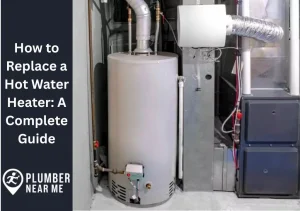
An electric water heater is composed of several key parts that work together to heat and store water:
- Tank: The main reservoir that holds water. Most tanks are coated with a protective lining to prevent rust.
- Dip Tube: Directs incoming cold water to the bottom of the tank.
- Hot Water Outlet: Delivers heated water to your home’s faucets and appliances.
- Anode Rod: A sacrificial rod that prevents tank corrosion by attracting rust.
- Heating Elements: Usually two (top and bottom) electric elements that heat the water.
- Thermostats: Control the water temperature and ensure consistent heating.
- Emergency Cut-Off (ECO) Switch: Shuts off the heater in case of overheating.
Familiarizing yourself with these components will help you perform basic maintenance and troubleshoot common issues.
How Electric Water Heaters Work
Cold water enters through the dip tube and settles at the bottom of the tank. The heating elements raise the water temperature according to the thermostat settings. Hot water rises naturally, and when you open a faucet, water is drawn from the top of the tank. This process continues, maintaining a steady supply of hot water.
How to Maintain Your Electric Water Heater
Regular maintenance ensures optimal performance and extends the lifespan of your water heater. Here are key tasks:
1. Check the Temperature Setting
Set your water heater thermostat to around 120–125°F. This temperature prevents scalding, reduces energy costs, and limits mineral buildup inside the tank.
2. Inspect for Leaks
Examine the base of your heater and all connections for water leaks. Early detection can prevent major water damage and corrosion.
3. Test the Pressure Relief Valve
Lift the lever on the pressure relief valve once a year. If water doesn’t flow freely or continues to drip after testing, the valve may need replacement.

4. Flush the Tank
Sediment can accumulate over time, reducing efficiency. Flush the tank annually:
- Turn off the heater’s power.
- Connect a garden hose to the drain valve.
- Drain the tank until the water runs clear.
- Close the valve, refill the tank, and restore power.
5. Maintain the Anode Rod
The anode rod protects the tank from corrosion. Check it every 2–3 years:
- Turn off power and water supply.
- Drain a few gallons.
- Remove and inspect the rod.
- Replace if it’s heavily corroded or less than ½ inch thick.
6. Inspect Heating Elements
Faulty elements can cause inconsistent heating. Use a continuity tester to check for electrical flow. Replace any damaged elements with new ones and reinstall with a proper gasket.
Troubleshooting Common Issues
- No Hot Water: Check circuit breakers, heating elements, thermostat, and ECO switch.
- Insufficient Hot Water: May indicate sediment buildup or a malfunctioning lower heating element.
- Rusty or Smelly Water: Usually a worn anode rod or bacterial growth; flushing or replacing the rod can help.
Energy Efficiency Tips
- Insulate the tank and hot water pipes.
- Lower the thermostat to 120°F.
- Install low-flow faucets and showerheads.
- Consider upgrading to a higher-efficiency water heater if your unit is older than 10 years.
By performing regular maintenance and understanding the components of your electric water heater, you can enjoy reliable hot water while preventing unnecessary repairs and energy waste.
FAQs: Components of a Hot Water Heater & Maintenance
1. What are the main components of a hot water heater?
A typical hot water heater includes a steel tank, heating elements, thermostat, anode rod, dip tube, hot water outlet, and a pressure relief valve (ECO switch) to ensure safety and efficiency.
2. How often should I maintain my electric water heater?
Perform maintenance annually, including flushing the tank, inspecting for leaks, testing the pressure relief valve, and checking the anode rod. Regular upkeep prolongs the water heater’s lifespan.
3. How do I maintain an electric water heater?
Maintenance includes checking temperature settings, flushing out sediment, inspecting heating elements, testing the pressure relief valve, and replacing the anode rod when needed.
4. Why is the anode rod important in a hot water heater?
The anode rod prevents tank corrosion by attracting corrosive elements in the water. Replacing it when worn protects your tank and extends the life of the water heater.
5. How can I tell if my water heater is not working properly?
Signs of issues include insufficient hot water, water that’s rusty or smelly, strange noises, or leaks around the tank. These problems may indicate heating element failure, sediment buildup, or a corroded anode rod.
6. Can I maintain a water heater myself, or should I hire a professional?
Basic tasks like flushing the tank, checking temperature settings, and inspecting for leaks can be done by homeowners. For complex issues like replacing heating elements or the anode rod, hiring a professional is recommended.
7. How do I improve my electric water heater’s efficiency?
Lower the thermostat to 120–125°F, insulate the tank and hot water pipes, flush the tank regularly, and consider installing low-flow fixtures. Efficient operation saves energy and reduces utility bills.
Final Thoughts
Proper maintenance of your electric water heater is essential for long-lasting performance, energy efficiency, and safety. By understanding the key components of a hot water heater—such as the tank, heating elements, anode rod, and thermostats—you can troubleshoot issues, prevent corrosion, and ensure a steady supply of hot water. Regular inspections, flushing the tank, testing valves, and checking the anode rod are simple yet effective steps that can save you from costly repairs and improve your water heater’s lifespan. Remember, a well-maintained water heater not only saves money but also ensures comfort and reliability for your household.