Copper has long been the go-to material for household plumbing because it’s strong, reliable, and can last for decades. However, even copper isn’t immune to damage. Over time, copper corrosion can weaken your plumbing system, leading to leaks, discolored water, and costly repairs. 👉 For expert inspection and pipe repair services, visit Plumber Near Me and get trusted help for your home. You May Also Like: Sump Pump Backup Battery.
If you’ve noticed corroded copper pipes in your home, you’re not alone. Corrosion is a common plumbing issue that can affect both old and relatively new systems. The good news? By learning what causes copper pipes to corrode and how to protect them, you can extend the lifespan of your plumbing and prevent future headaches.
What Causes Copper Pipes to Corrode?
- Water chemistry (low pH / high chloride levels)
- High water velocity that erodes the pipe lining
- Improper installation or leftover flux inside joints
- Rust contamination from water heaters
- Stagnant water sitting in pipes for too long
Signs of Corroded Copper Pipes
- Green or blue-green stains on copper or fixtures
- Metallic taste or rusty-looking water
- Pinhole leaks on walls/ceilings
- Low water pressure in certain areas
How to Fix and Prevent Copper Pipe Corrosion
- Install water treatment systems (neutralizers, filters, or softeners)
- Replace damaged pipe sections with copper, PEX, or CPVC
- Maintain water heaters (replace anode rods every 3–5 years)
- Run unused taps to avoid stagnant water buildup
- Flush pipes after installation to remove excess flux
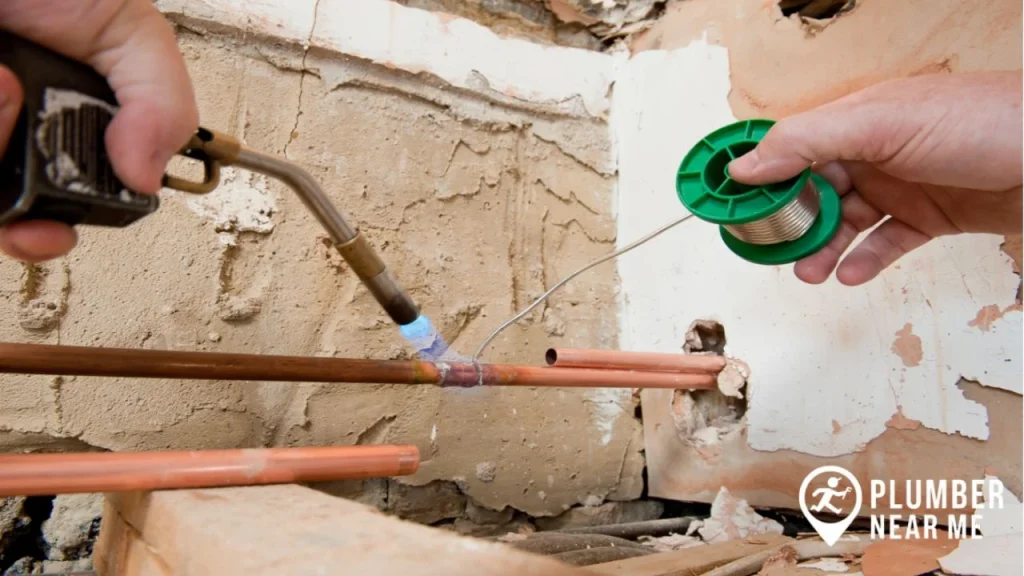
How to Prevent Copper Pipe Corrosion Long-Term
- Schedule annual plumbing inspections
- Keep crawl spaces and basements dry
- Switch to PEX or CPVC if your water is harsh on copper
- Repair leaks quickly before they spread
Frequently Asked Questions (FAQs)
1. How long do copper pipes last before corroding?
Typically, copper pipes can last 50+ years, but poor water quality can reduce their lifespan.
2. What causes copper pipes to corrode the fastest?
Low pH (acidic water), high chloride content, or improper installation accelerate corrosion.
3. Can I repair a small section of corroded copper pipe myself?
Yes, minor corrosion or pinhole leaks can be fixed with pipe replacement or epoxy, but widespread damage often requires professional help.
4. What’s the best alternative to copper pipes?
PEX and CPVC piping are cost-effective, corrosion-resistant alternatives to copper.
5. How do I prevent copper pipe corrosion in the future?
Treat your water supply, maintain your water heater, and schedule regular plumbing inspections.
6. Are green stains on pipes always a sign of corrosion?
Yes, blue-green stains are common indicators of oxidation and copper pipe corrosion.
7. Can hard water cause copper corrosion?
Yes, high mineral content can damage copper over time and speed up corrosion.
8. Should I replace all my copper pipes if I find corrosion?
Not always — plumbers often replace only the damaged sections unless the system is too old.
Final Thoughts
Copper corrosion is a serious issue that can compromise the safety and efficiency of your plumbing system. Identifying the early warning signs and taking preventive action can save you from expensive repairs and water damage. Whether it’s installing a water treatment system, maintaining your water heater, or switching to corrosion-resistant alternatives, proactive care is key.
👉 For professional help with copper corrosion, pipe replacement, or prevention tips, visit Plumber Near Me and get expert solutions tailored to your home.