Understanding the Proper Use of Plumber’s Tape: Why Gas Lines Require Special Consideration
When it comes to plumbing, safety and proper technique are paramount. One common material used in plumbing connections is plumber’s tape, also known as Teflon tape or PTFE tape. While it’s a versatile and essential tool for many water and non-gas plumbing applications, not all types of Teflon tape are suitable for every situation—especially when it involves gas lines. Using the wrong type could lead to leaks, failures, or even dangerous situations. This article will explore why plumber’s tape intended for water or non-gas applications should not be used on gas lines, and what precautions must be taken to ensure safety when working with gas fittings. You May Also like: understanding ppc advertising services for plumbing companies.
What is Plumber’s Tape (Teflon Tape)?
Plumber’s tape is a thin, flexible, white tape made from polytetrafluoroethylene (PTFE). Its primary function is to seal pipe threads and prevent leaks at threaded connections. It is easy to use and widely available, making it a staple in plumbing repairs and installations.
Key attributes of standard plumber’s tape:
-
- Material: PTFE, a chemically inert and low-friction polymer
-
- Application: Sealing threaded connections to prevent leaks
-
- Uses: Water supply lines, drainage, non-gas piping
However, not all PTFE tapes are created equal, and their specific formulations and ratings determine their suitability for different applications.
Types of Plumber’s Tape and Their Intended Uses
There are different types of PTFE tapes designed for various plumbing tasks:
| Type of PTFE Tape | Color / Markings | Intended Application | Suitable for Gas? |
|---|---|---|---|
| Standard Non-Shrinking PTFE Tape | White | Water, air, non-gas liquids | No |
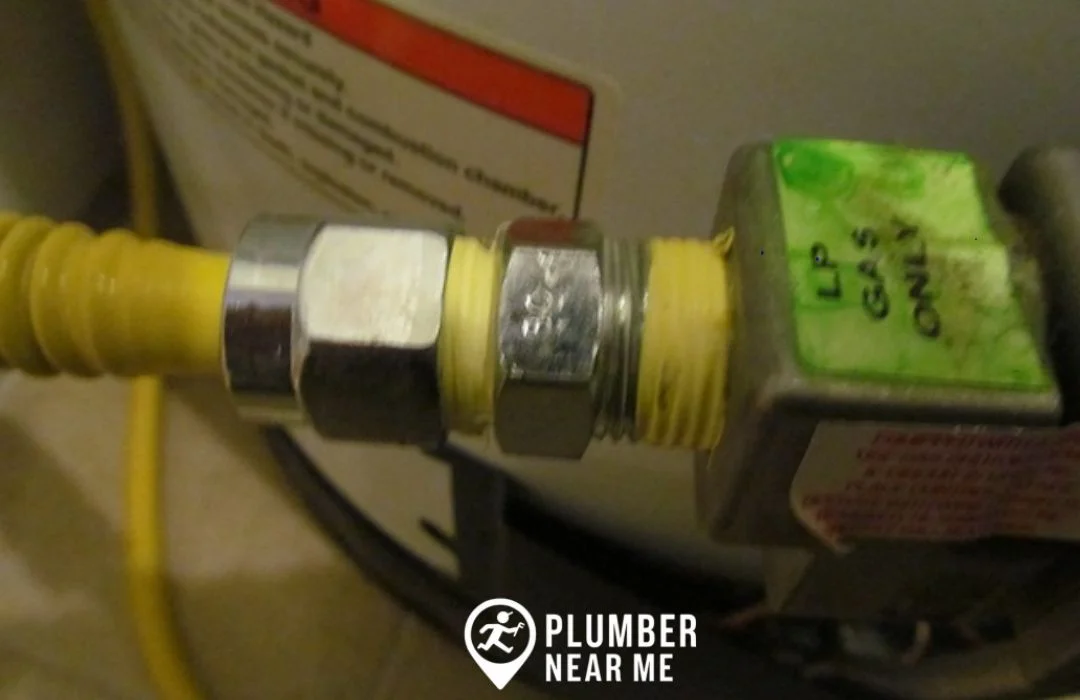
| High-Density Gas-Grade PTFE Tape | Yellow / Marked for gas | Gas lines (natural gas, propane) | Yes |
| Extra-Thick or Heavy Duty | Usually colorless or marked | Heavy-duty applications | Varies; check labels |
It’s crucial to use the correct tape labeled explicitly for gas applications when working on gas lines.
Why You Should Not Use Water-Grade Teflon Tape on Gas Lines
Using the wrong PTFE tape can have serious consequences. Here’s why standard plumber’s tape for water lines should never be used on gas fittings:
-
-
Chemical Composition and Rating:
Water-grade PTFE tape is designed to seal water and air under low pressure. It is not tested or rated for the chemicals or pressure conditions of gases like natural gas or propane.
-
-
-
Risk of Leaks and Gas Escapes:
Gas leaks are hazardous and pose risks of explosion, fire, and health hazards. Using unapproved tape increases the likelihood of leaks.
-
-
-
Compatibility and Flammability:
Some standard PTFE tapes might not withstand the chemical properties or pressure levels of gases. Incompatibility could result in material breakdown or failure over time.
-
-
-
Code and Safety Violations:
Most local building codes and standards mandate the use of specially rated gas tapes and sealants for gas line connections.
-
What Makes Gas-Grade PTFE Tape Different?
Gas-grade PTFE tape is specially formulated and rated to resist chemical degradation, withstand high pressures, and maintain a tight seal over time. Here are key characteristics:
-
- Rated for Gas Use: The tape is manufactured to meet industry standards such as ASTM D-3393 or similar.
-
- Color Coded: Typically yellow, making it easy to distinguish from standard water-grade PTFE tape.
-
- Chemical Resistance: Designed to resist the hydrocarbon-based properties of natural gas and propane.
-
- High Temperature and Pressure Tolerance: Capable of withstanding the pressures involved in gas systems.
Always verify the packaging for “gas-rated” or “approved for gas applications” before using the tape.
Additional Sealants for Gas Fittings: Pipe Dope and Sealants
In some cases, pipe-dope (thread sealant) or specialized gas sealants may be required in conjunction with or instead of Teflon tape. Several factors influence the choice:
-
- Type of Gas: Natural gas and propane have different properties requiring specific sealants.
-
- Fitting Material: Metal versus composite fittings may necessitate different sealants.
-
- Local Codes: Regulations dictate which sealants are approved.
Using sealants approved for gas is critical, as improper sealants can deteriorate over time and lead to dangerous leaks.
Safety Tips for Working with Gas Lines
Always adhere to safety protocols when handling gas facilities:
-
- Use only gas-rated Teflon tape and sealants.
-
- Follow local building codes and manufacturer instructions.
-
- Ensure fittings are properly aligned and securely tightened.
-
- Perform leak tests after installation: Use a soap solution or gas detector.
-
- If unsure, consult a licensed professional.
For comprehensive assistance, consider hiring a qualified plumber in your area for any gas-related work. Check plumber near me for reliable local experts.
Summary and Conclusion
In conclusion:
-
- Do not use plumber’s tape intended for water or non-gas applications on gas lines.
-
- Use gas-rated PTFE tape (often yellow in color) that is specifically designed and certified for gas fittings.
-
- Complement Teflon tape with approved pipe-dope or sealants if required by local codes or manufacturer specifications.
-
- Always follow safety standards, local building codes, and manufacturer instructions during installation.
Employing the correct materials and procedures is essential to prevent leaks, ensure system integrity, and maintain safety in gas plumbing systems.
Frequently Asked Questions (FAQs)
Q1: Can I reuse Teflon tape on gas fittings?
A: It’s not recommended to reuse Teflon tape on gas fittings because the integrity of the seal may be compromised. Always use fresh, gas-rated tape for each installation.
Q2: How do I identify gas-rated PTFE tape?
A: Gas-rated PTFE tape is typically yellow and marked as suitable for gas applications. Always check the packaging for explicit certification or approval.
Q3: Is thread sealing compound necessary with Teflon tape on gas fittings?
A: Sometimes, a compatible pipe-dope or sealant approved for gas use is recommended alongside the tape for a more secure seal. Follow manufacturer instructions and local codes.
Q4: What happens if I accidentally use water-grade Teflon tape on a gas line?
A: It could lead to gas leaks, which are hazardous and potentially explosive. Repairing the leak may require professional assistance.
Q5: Should I hire a professional for gas line work?
A: Yes, especially for gas line installation and repairs, it’s safest to hire a licensed plumber. Find a trusted local plumber for proper and compliant services.
Remember: Safety is paramount. For any plumbing needs, especially involving gas, always rely on licensed professionals and use the correct materials and procedures. If you need expert help, consider reaching out to a licensed plumber near me or exploring plumbing services near me for trustworthy assistance.
For reliable service and peace of mind, visit Plumber Near Me to find licensed, experienced professionals who can ensure your gas and water systems are safe and efficient.
Stay safe, and happy plumbing!
Call Now for More Information
When working with gas lines, safety is the top priority. Using gas-safe Teflon tape and proper sealants ensures leak-free connections that protect your home and family. Standard plumbing tapes are not suitable for gas applications, making it critical to use only approved gas-rated products. If you’re unsure about handling gas line repairs or installations, it’s best to call a professional plumber for expert help. Reach out today for safe, reliable assistance with your gas system needs.