Understanding Plumber’s Putty: Usage, Curing Time, and Best Practices
Plumber’s putty is a versatile and widely used material in plumbing applications. Its unique properties allow for a flexible, watertight seal that remains workable for some time after application. In this comprehensive guide, we’ll explore the nature of plumber’s putty, how it behaves during and after application, factors affecting its curing process, and tips to ensure optimal results. You May Also like: steps to hire a plumber for dishwasher installation.
What Is Plumber’s Putty?
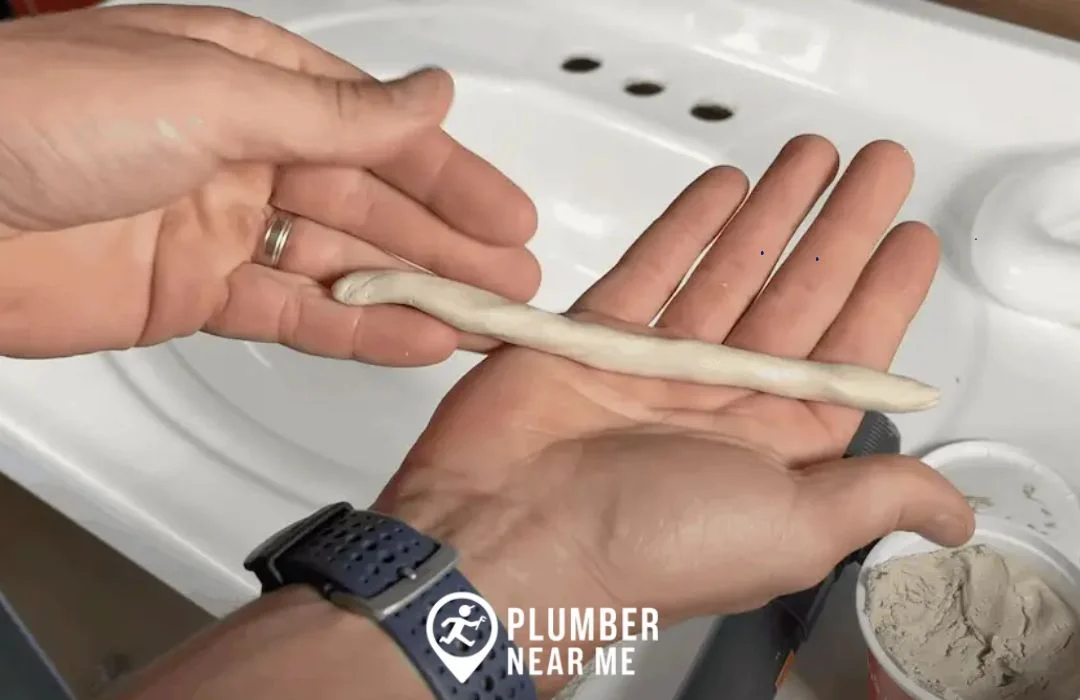
Plumber’s putty is a soft, moldable sealing compound designed specifically for plumbing fixtures and fittings. It is typically made from a mixture of:
-
- Clay or mineral fillers
-
- Linseed oil or petroleum-based oils
-
- Other binding agents
KEY CHARACTERISTICS:
-
- Malleability: Remains flexible and easily moldable for multiple hours after application
-
- Watertight Seal: Quickly forms a seal to prevent leaks
-
- PVC and Metal Compatibility: Suitable for use with different materials
Application and Workability
One of the most significant advantages of plumber’s putty is its malleability: it remains soft and workable until fully cured. This feature enables plumbers and DIY enthusiasts to shape and adjust the putty to fit specific fixtures perfectly.
How to Use Plumber’s Putty
-
- Preparation:
-
- Clean the surface thoroughly to ensure it’s free of debris, grease, or old sealant.
-
- Preparation:
-
- Kneading:
-
- Take a small amount of putty and knead it until it’s soft and pliable.
-
- Kneading:
-
- Shaping:
-
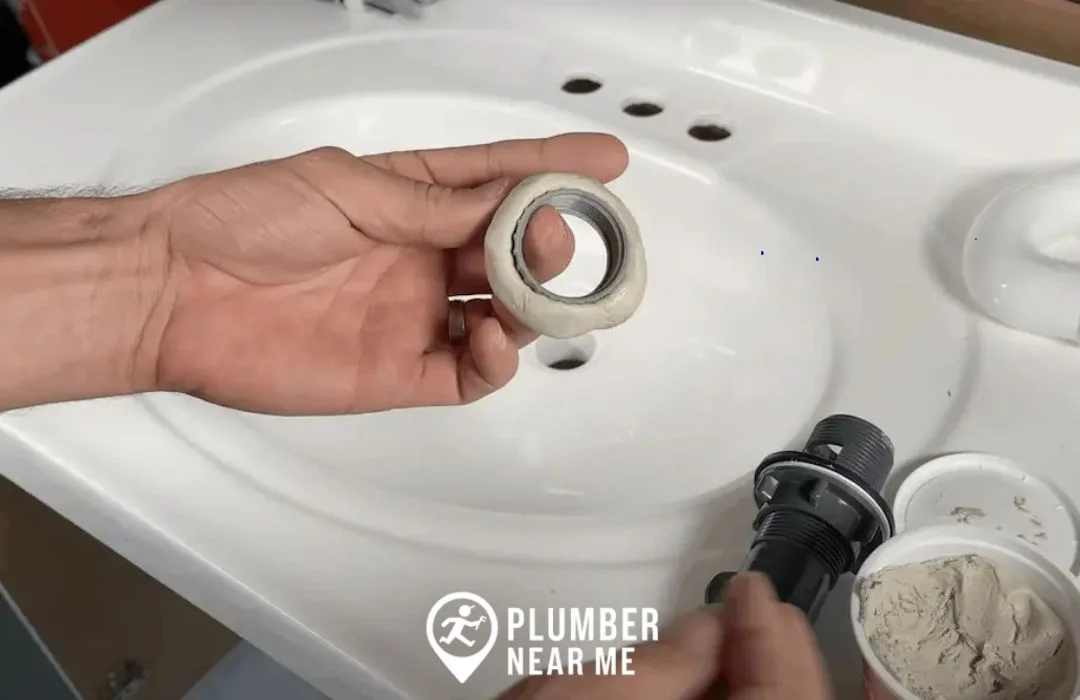
- Roll it into a ball or rope, then press firmly onto the surface or around the fitting area.
-
- Shaping:
-
- Positioning:
-
- Place the fixture or component into position, pressing firmly to ensure a good seal.
-
- Positioning:
-
- Adjustments:
-
- Use your fingers or tools to smooth and shape the putty as needed before it starts to set.
-
- Adjustments:
Important:
-
- The initial setting happens soon after application, creating a watertight seal.
-
- The pliability allows easy adjustments during installation.
How Long Does Plumber’s Putty Remain Usable?
Plumber’s putty typically remains malleable and usable for 24 to 48 hours after application, depending on environmental conditions and the specific product.
Factors Influencing Working Time
-
- Temperature:
-
- Hotter temperatures accelerate curing; higher temperatures may reduce workability time.
-
- Cooler environments slow down the curing process.
-
- Temperature:
-
- Humidity:
-
- High humidity can prolong the pliability period.
-
- Dry conditions might speed up hardening.
-
- Humidity:
-
- Product Formulation:
-
- Different brands and compositions may have varying curing times. Always check the manufacturer’s specifications.
-
- Product Formulation:
Tip:
Always work within the time frame provided by the supplier’s instructions to ensure optimal sealing and ease of adjustments.
Full Curing Time and Hardness Development
Though plumber’s putty becomes watertight shortly after application, its full curing — that is, when it reaches maximum hardness — can take between 24 and 48 hours. This curing period allows the putty to fully dry and harden, securing a durable, leak-proof seal.
Typical Curing Timeline
| Stage | Duration | Description |
|---|---|---|
| Initial Set | Minutes to Hours | Forms a water-tight seal shortly after application. |
| Partial Hardening | Few hours | The putty begins to firm up but remains pliable. |
| Full Cure | 24-48 hours | Achieves maximum hardness and permanence. |
Note:
-
- Environmental factors heavily influence curing times.
-
- Always consult the manufacturer’s guidelines for specific drying times.
Tips for Best Results
To maximize the effectiveness of plumber’s putty, consider the following tips:
-
-
Follow Manufacturer Instructions:
Always check the packaging for the recommended curing time and application notes.
-
-
-
Proper Surface Preparation:
Clean surfaces thoroughly to ensure good adhesion and sealing.
-
-
-
Apply in Suitable Conditions:
Use the product in environments that are not overly humid or hot for the best results.
-
-
-
Use the Right Amount:
Avoid overapplication; a thin, even layer is usually sufficient for a good seal.
-
-
-
Allow Adequate Curing Time:
Don’t rush the full curing process, especially for critical plumbing installations.
-
Limitations and Considerations
While plumber’s putty is excellent for many applications, it has some limitations:
-
- Not suitable for submerged or pressure-bearing applications such as persistent water flow in pipes.
-
- Does not adhere well to some plastics or surfaces with incompatible finishes.
-
- Cannot be used as a structural sealant for long-term or high-pressure plumbing systems.
In such cases, alternative sealants like silicone or threaded pipe sealants may be more suitable.
Conclusion
Plumber’s putty is an indispensable material in plumbing tasks, owing to its malleability, ease of use, and ability to form a watertight seal in a short time. Its characteristic feature of remaining pliable for up to 48 hours provides the flexibility needed for adjustments during installation.
However, to achieve lasting and reliable results, always adhere to the manufacturer’s instructions regarding curing times and applications. Proper surface preparation, environmental considerations, and patience are key to ensuring a professional, leak-free plumbing setup.
FAQs
Q1: Can plumber’s putty be used for sealing sinks?
A: Yes, plumber’s putty is commonly used to seal around sink drains and fixtures to prevent leaks.
Q2: How long does plumber’s putty take to fully cure?
A: It generally takes 24 to 48 hours for the putty to reach full hardness, depending on environmental factors.
Q3: Is plumber’s putty waterproof?
A: Yes, once it forms a seal, it is waterproof and designed to prevent leaks when properly applied.
Q4: Can plumber’s putty be removed easily?
A: Yes, because it remains pliable, it can be softened and removed if needed, making repairs easier.
Q5: What should I do if the putty doesn’t set properly?
A: Ensure surfaces are clean, the application is correct, and environmental conditions are suitable. Reapply if necessary.
Q6: Where can I find a reliable plumber near me?
A: For professional plumbing services near me, consider visiting Plumber Near Me to find trusted local experts.
Final Thoughts
Choosing the right sealing compound, understanding its curing process, and applying it correctly are crucial steps to ensuring effective and durable plumbing repairs. Plumber’s putty’s malleability and quick sealing ability make it a favorite among professionals and DIYers alike. Remember, patience and adherence to guidelines will result in a leak-free, long-lasting seal that stands the test of time.
Call Now for More Information
Plumber’s putty is a staple in plumbing projects because of its unique ability to remain soft and flexible even after application. Unlike adhesives or caulks that harden completely, plumber’s putty maintains pliability, which allows it to create watertight seals around drains, sinks, and fixtures without becoming brittle. This flexibility makes it easy to remove and reapply when future repairs or replacements are needed.
The putty cures by setting into place rather than hardening fully. This property ensures it can withstand slight movements or shifts in plumbing fixtures without cracking. However, it’s important to note that plumber’s putty is not meant for pressurized joints or areas exposed to continuous water flow.
If you’re working on a plumbing project and want expert guidance or professional installation, don’t hesitate to reach out. Call now to connect with skilled plumber who can ensure your fixtures are sealed properly and your plumbing system runs smoothly.