Understanding Plumber’s Glue: Types, Uses, and Key Insights
When it comes to plumbing repairs and installations, adhesives are essential tools that simplify and secure the process. One of the most commonly used adhesives in plumbing is plumber’s glue. This specialized adhesive ensures a durable, leak-proof connection between various plumbing components. Whether you’re dealing with PVC pipes, metal fittings, or other plumbing fixtures, understanding plumber’s glue can help you achieve professional results. This article explores what plumber’s glue is, the types available, their applications, safety considerations, and more. You May Also like: gas pipe plumber install repair maintain.
What Is Plumber’s Glue?
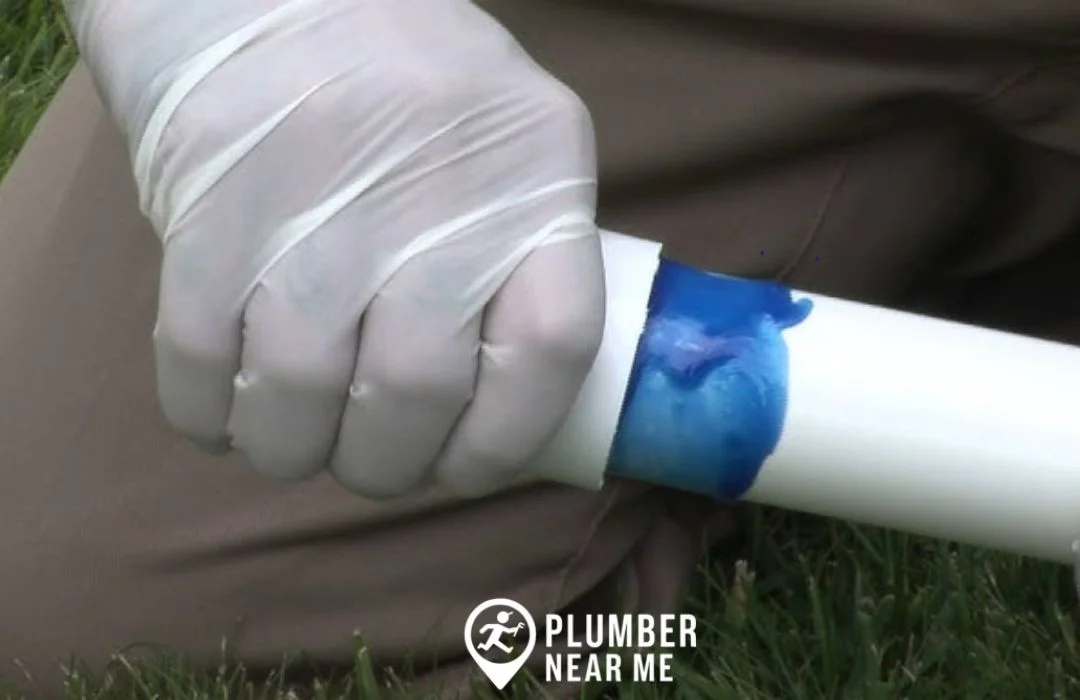
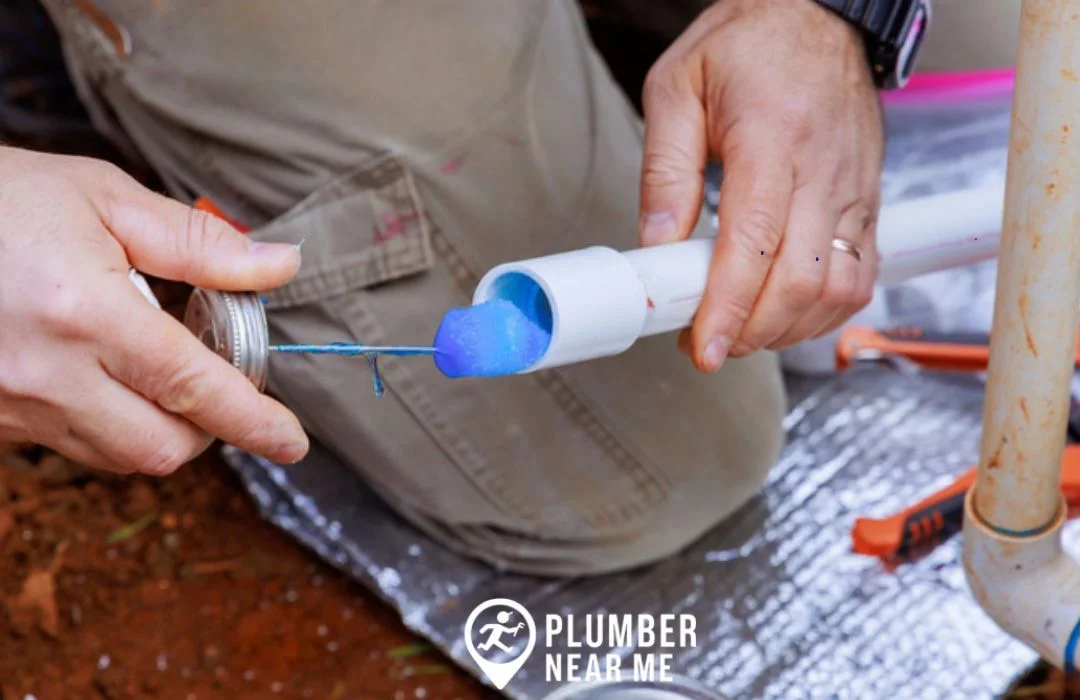
Plumber’s glue is a type of adhesive designed specifically for joining plumbing components. It creates a strong, watertight seal between pipes, fittings, and fixtures, preventing leaks and ensuring longevity in plumbing systems. Unlike regular glues or adhesives, plumber’s glue is formulated to withstand water pressure, chemical exposure, and temperature variations typically encountered in plumbing.
Key features of plumber’s glue include:
-
- High bonding strength
-
- Waterproof capabilities
-
- Chemical resistance
-
- Ease of application
Common Types of Plumber’s Glue
Different plumbing materials require specific adhesives for optimal results. Here’s a breakdown of the most common types of plumber’s glue:
1. PVC Cement (Polyvinyl Chloride Cement)
PVC cement is the most popular adhesive for joining PVC pipes and fittings.
Features:
-
- Fast-drying and clear when cured
-
- Very strong bond suitable for pressurized water systems
-
- Available in various formulations, such as solvent-based or solvent cement
Uses:
-
- Residential and commercial water supply lines
-
- Irrigation systems
-
- Drain-waste-vent (DWV) piping
2. CPVC Cement
Similar to PVC cement, CPVC cement is designed for chlorinated polyvinyl chloride (CPVC) pipes, which can handle higher temperatures.
Features:
-
- Handles temperatures up to 200°F (93°C)
-
- Provides a durable, leak-proof joint
Uses:
-
- Hot water lines
-
- Industrial plumbing systems
3. ABS Cement
ABS cement bonds Acrylonitrile Butadiene Styrene (ABS) pipes.
Features:
-
- Fast-curing and strong bonding
-
- Usually purple or clear in color
Uses:
-
- Drainage systems
-
- Sewage piping
4. Metal Pipe Adhesives
While traditional glues are less common for metal pipes, specialized epoxy adhesives are often used to bond metal fittings.
Features:
-
- Can withstand high pressure and temperature
-
- Often resistant to chemicals
Uses:
-
- Copper, steel, or other metal pipe repairs
How to Use Plumber’s Glue Correctly
Proper application ensures a secure, leak-proof connection. Here are the general steps:
-
-
Prepare the Surfaces:
-
- Clean the pipe ends and fittings thoroughly.
-
- Remove any dirt, grease, or old adhesive residue.
-
- Cut pipes to the desired length using a pipe cutter.
-
-
-
-
Apply Primer (if necessary):
-
- For PVC and CPVC, apply primer to soften the material, enhancing adhesion.
-
-
-
-
Apply the Glue:
-
- Use an applicator or brush to evenly coat the pipe end and fitting.
-
- Be generous but avoid excess.
-
-
-
-
Join the Components:
-
- Insert the pipe into the fitting quickly, giving a quarter turn to distribute the adhesive evenly.
-
- Hold the joint for a few seconds to ensure bonding.
-
-
-
-
Allow Proper Curing Time:
-
- Follow manufacturer instructions regarding curing time.
-
- Avoid pressure or stress on the joint until fully cured.
-
-
Safety Precautions When Using Plumber’s Glue
Plumber’s glue contains chemicals that can pose health risks if not handled properly. Always adhere to safety guidelines:
-
- Work in well-ventilated areas.
-
- Wear gloves to prevent skin contact.
-
- Use protective eyewear.
-
- Avoid inhaling fumes; consider using a mask if necessary.
-
- Keep away from children and pets.
When to Use Plumber’s Glue
Plumber’s glue is ideal for various applications, including:
-
- Installing new pipes
-
- Repairing leaks in PVC and ABS fittings
-
- Sealing connections in sprinkler systems
-
- Changing or upgrading plumbing fixtures
Advantages of Using Plumber’s Glue
-
- Ease of use: Simple application process
-
- Speed: Quick bonding times
-
- Sealing effectiveness: Provides a waterproof, durable joint
-
- Versatility: Suitable for many materials and systems
Limitations of Plumber’s Glue
While highly useful, plumber’s glue has certain limitations:
-
- Material-specific: Requires the right type of glue for the material
-
- Temperature limitations: Not suitable for extreme heat beyond its specifications
-
- Disassembly difficulty: Joints are difficult to separate after curing
Choosing the Right Plumber’s Glue
Selecting the correct adhesive depends on the plumbing material, application, and environmental factors. Here are some tips:
-
- Identify the pipe material (PVC, CPVC, ABS, metal)
-
- Consider the application’s temperature and pressure requirements
-
- Follow manufacturer instructions for compatibility and curing times
-
- When in doubt, consult a licensed plumber near me for expert advice
Conclusion
Plumber’s glue is an indispensable tool in both residential and commercial plumbing. Its ability to create strong, watertight connections makes it preferred among professionals and DIY enthusiasts alike. Proper understanding of its types, application procedures, and safety precautions ensures durable and leak-proof plumbing systems.
Whether you’re repairing a leaking pipe, installing new fixtures, or undertaking a major plumbing renovation, choosing the right adhesive and applying it correctly can save you time, money, and frustration. Remember, for complex tasks or if you’re unsure about the materials or techniques, reaching out to a local plumber or a licensed plumber near me can provide expert assistance and ensure the job is done right.
FAQs
Q1: Can I use regular glue instead of plumber’s glue?
A: No. Regular household glues are not designed to withstand water pressure, chemicals, or temperature variations encountered in plumbing systems. Use plumber’s glue specifically formulated for plumbing materials.
Q2: How long does plumber’s glue take to cure?
A: Curing times vary based on the adhesive type and environmental conditions but typically range from 30 minutes to several hours. Always follow the manufacturer’s instructions.
Q3: Is plumber’s glue safe for all plumbing materials?
A: No. Different glues are designed for specific materials. For example, PVC cement is not suitable for metal pipes. Verify compatibility before application.
Q4: Can plumber’s glue be used for outdoor plumbing?
A: Yes, but ensure the adhesive is rated for outdoor use and withstands UV exposure, temperature fluctuations, and weather conditions.
Q5: How do I remove excess plumber’s glue?
A: Use solvent paints recommended by the manufacturer or carefully scrape with a utility knife once cured. Always wear protective gloves and eyewear during removal.
Remember, for any plumbing needs or repairs, consulting with a plumber in my area or booking plumbing services near me at Plumber Near Me can help ensure reliable, professional results.
Disclaimer: Always follow manufacturer instructions and safety guidelines when working with plumber’s glue or any plumbing materials. For complex or high-pressure systems, it’s best to seek professional assistance.
Call Now for More Information
When it comes to fixing leaks or securing pipe connections, using the right plumbing adhesive makes all the difference. From PVC cement and pipe sealants to plumber’s epoxy and thread compounds, each type of adhesive is designed for specific plumbing repairs. A professional plumber can guide you in choosing the safest and most effective solution for your project. Call now to connect with trusted plumbing experts who can handle your repair with the right materials and techniques.