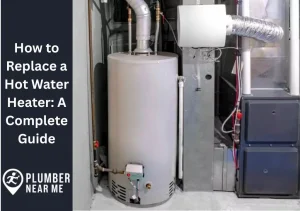
A temperature relief valve (commonly called a T&P valve) is one of the most important safety devices on a water heater. It prevents excessive temperature and pressure from building inside the tank, which could otherwise lead to leaks—or in extreme cases—a dangerous explosion. Despite its importance, many homeowners overlook regular inspection and maintenance of this small but vital component. You May Also Like: Noisy Toilet.
👉 Need expert help with water heater repairs or T&P valve replacement? Visit Plumber Near Me for trusted plumbing services near you.
What Is a Temperature & Pressure Relief Valve?
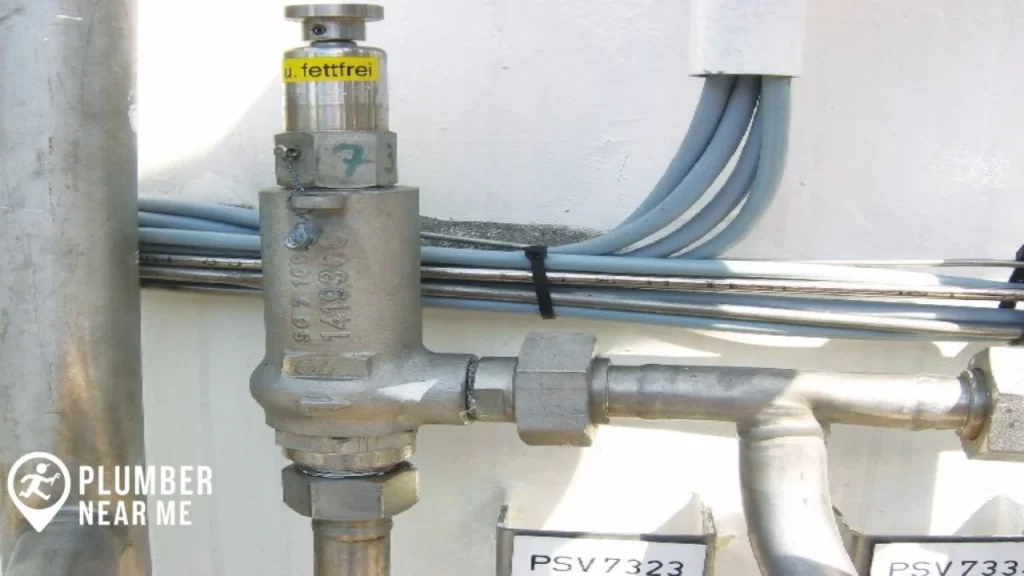
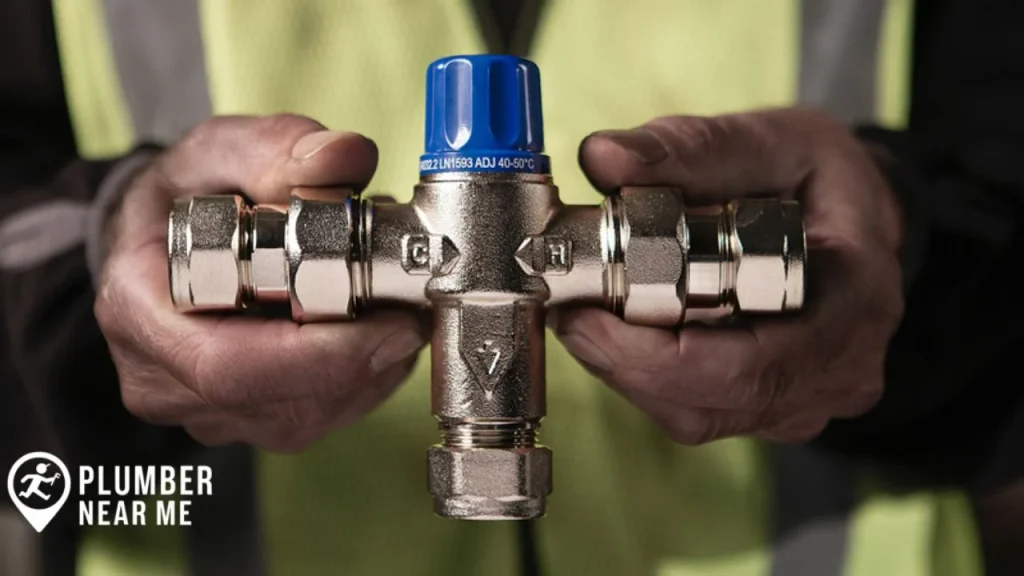
A temperature and pressure relief valve (T&P valve) is a safety mechanism installed on water heaters. It is designed with two built-in sensors:
- Temperature sensor – activates if water temperature rises above 210°F.
- Pressure sensor – opens when water pressure exceeds 150 psi.
If either threshold is crossed, the valve automatically releases hot water and steam through a discharge pipe, reducing internal tank pressure. This ensures your water heater doesn’t become a dangerous hazard.
Where Is the T&P Valve Installed?
The T&P valve on a water heater is usually located:
- At the top of the water heater tank (common in most models).
- On the side near the top in some units.
It must always be connected to a discharge pipe that:
- Extends down close to the floor (ending ~6 inches above).
- Matches the outlet diameter of the valve.
- Uses proper material (copper or CPVC).
This way, any released hot water is safely directed away from people and property.
Common Issues With T&P Valves
Like any plumbing component, a T&P valve on water heaters can develop issues over time. Here are the most common problems:
1. Leaking Valves
- Continuous dripping from the discharge pipe may signal high water pressure, overheating, or a faulty valve.
- Ignoring leaks can damage the heater and surrounding area.
2. Stuck or Frozen Valves
- Mineral deposits, rust, or lack of testing can cause the valve to stick.
- A stuck T&P valve cannot release pressure—posing serious safety risks.
3. Corrosion and Mineral Buildup
- Hard water causes scaling inside the valve, reducing its effectiveness.
- Corrosion weakens the valve and may lead to sudden failure.
How To Maintain Your Temperature Relief Valve
Routine maintenance is essential to ensure safety. Here’s what you can do:
Annual Testing
Manufacturers recommend testing your T&P valve every 6–12 months.
Steps:
- Place a bucket under the discharge pipe.
- Lift the test lever on the valve.
- Let a little water flow out, then release the lever.
- Make sure the lever snaps back and water stops flowing.
If water keeps running—or doesn’t flow at all—the valve should be replaced.
Flushing Mineral Deposits
- Once a year, open the valve briefly to flush out minerals.
- If scaling is visible, call a plumber to inspect or replace it.
Additional Safety Components
Sometimes, a T&P valve alone isn’t enough to keep your system safe. Other components may be needed:
- Expansion Tank – absorbs excess water pressure in closed systems.
- Pressure-Reducing Valve (PRV) – lowers incoming water pressure to safe levels, preventing constant T&P valve discharge.
When To Call a Professional Plumber
While some testing is DIY-friendly, certain situations require expert service:
- Valve doesn’t open or close properly.
- Continuous dripping from the discharge pipe.
- Visible corrosion or mineral buildup.
- Missing or capped discharge pipes (very unsafe).
👉 Not sure if your water heater’s T&P valve is safe? Contact Plumber Near Me for professional inspection and repair.
FAQs About Temperature Relief Valves
What is the purpose of a temperature relief valve on a water heater?
It prevents excessive pressure and temperature inside the tank by releasing hot water and steam when needed.
How often should I test my T&P valve?
Test it at least once a year to make sure it opens and closes properly.
Why is my T&P valve leaking water?
It could be due to high tank pressure, overheating, or a faulty valve that needs replacement.
Can I replace a T&P valve myself?
While basic replacement is possible for DIYers, professional installation is recommended for safety and proper sealing.
Where should the discharge pipe from the valve end?
It should extend downward and terminate about 6 inches above the floor to safely direct hot water away.
Our Conclusion
Your temperature relief valve is a small part of your water heater—but it plays a huge role in home safety. Regular inspection, maintenance, and timely replacement can prevent leaks, costly repairs, and dangerous accidents. Never ignore a leaking or faulty valve, and always consult a licensed plumber if you’re unsure.
👉 For expert water heater and valve maintenance, visit Plumber Near Me today.