How to Spot and Solve Soft Water Issues in Your Shower and Plumbing
Have you ever noticed strange green or blue stains in your shower or sink? Or maybe your water tastes slightly metallic? These can be signs that your home’s soft water system might be causing more harm than good — and it may be time to call a Plumber Near Me to inspect the issue.
In this article, we’ll walk you through how to identify and treat soft water, what causes these issues, and how to fix soft water in your shower—so you can protect your plumbing, appliances, and health.You May Also Like: Diagnose well water system problems.You May Also Like: Diagnose well water system problems.
What Is a Soft Water System?
A soft water system removes excess minerals like calcium and magnesium from your water. This is great for reducing limescale, extending the life of appliances, and giving you smoother skin and cleaner clothes.
However, when water becomes too soft or acidic (low pH), it can corrode your home’s copper pipes and plumbing fixtures. This leads to unwanted problems such as stained showers and potentially harmful metal traces in your water.
How to Identify and Treat Soft Water Issues
Here are some common signs that your soft water system might need attention:
1. Green or Blue Stains in Shower or Sinks
These stains are a major sign of acidic water eating away at your copper plumbing. The corroded copper oxidizes and causes bluish-green discoloration that appears in tubs, showers, and sinks.
2. Metallic Taste in Water
If your water has a bitter or metallic taste, it’s likely due to dissolved metals like copper or iron from your pipes.
3. Low pH Level (Below 6.5)
Water with a pH below 6.5 is considered acidic. This is a key indicator that your water may be too soft and needs to be balanced.
4. Small Pipe Leaks or Corrosion
Over time, acidic water weakens pipes from the inside, leading to pinhole leaks, corrosion, or even water damage in severe cases.

What Causes These Issues?
Soft water becomes problematic when its acidity is too high. Acidic water lacks the natural minerals that help balance pH levels. This makes it more aggressive toward metals like copper, causing internal damage to your plumbing system.
To demonstrate this, a plumbing expert placed a piece of copper pipe in a vinegar solution. Within just 45 minutes, oxidation (that greenish patina) began forming—similar to what happens in your pipes with acidic water over time.
How to Fix Soft Water in Shower
If you’re dealing with discoloration or corrosion, here’s how to fix soft water issues in the shower:
1. Install a Calcite Acid Neutralizer Tank
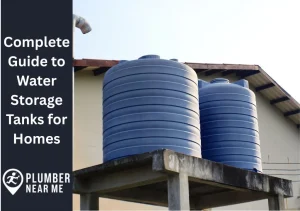
A calcite neutralizer tank is a common and effective solution. It contains white marble limestone (calcite), which dissolves into the water and raises the pH level to make it less acidic.
Benefits of a Neutralizer System:
- Prevents corrosion of pipes
- Eliminates green/blue stains
- Improves water taste
- Protects your plumbing system
2. Test Your Water’s pH
Use a home test kit or hire a professional to check if your water’s pH is too low. Regular testing helps you catch issues early.
3. Clean Stains with Vinegar Solution
You can use white vinegar to remove green or blue stains from your shower surfaces. However, this only addresses the symptoms, not the root cause.
4. Inspect Your Plumbing
Check for leaks, corrosion, or strange noises coming from your plumbing. This can indicate pipe damage caused by acidic water.
5. Call a Professional If Needed
If the issue continues, consult a licensed plumber who can test your system thoroughly and recommend a long-term fix.
FAQs
1. What is soft water, and how does it differ from hard water?
Soft water contains fewer minerals like calcium and magnesium, while hard water has high mineral content that can cause scale buildup.
2. Why is there green staining in my shower?
This often results from acidic soft water corroding copper pipes. The oxidized copper leaves green or blue stains on surfaces.
3. How can I test if my water is too soft?
You can use a home water test kit to measure pH. If it’s below 6.5, your water is acidic and may need treatment.
4. What does a calcite neutralizer tank do?
It balances the pH of your water by slowly dissolving calcium carbonate into the water, preventing acidity.
5. How to fix soft water problems in the shower?
Install a neutralizer tank, test pH levels regularly, clean existing stains, and consult a plumber if needed.
Final Thoughts
While soft water systems offer many benefits, overly soft or acidic water can quietly damage your plumbing and stain your fixtures. The good news? With regular testing and a reliable solution like a calcite neutralizer—easily found through trusted noland plumbing supply near me sources—these issues are easy to manage.
By learning how to identify and treat soft water, you can enjoy all the perks of soft water—without the hidden costs.