When Choosing Between Silicone and Plumber’s Putty for a Sink Drain: Understanding Properties and Best Applications
Choosing the right sealant for your sink drain is an essential part of ensuring a leak-free and durable plumbing setup. Two commonly used sealing materials are silicone and plumber’s putty. Both serve the purpose of creating watertight seals, but they differ significantly in their properties, applications, advantages, and disadvantages.
This article will guide you through the differences between silicone and plumber’s putty, helping you make an informed decision tailored to your specific plumbing needs. You May Also like: top yakima wa plumbing services

Understanding the Properties of Silicone and Plumber’s Putty
What is Silicone Sealant?
Silicone sealant is a flexible, waterproof material that remains pliable after curing. It is a synthetic rubber compound that bonds well to non-porous surfaces like ceramic, glass, metal, and certain plastics.
Key properties of silicone:
-
- Waterproof and flexible even after curing
-
- Resistant to mold and mildew
-
- High temperature resistance
-
- Longevity — can last for many years without degrading
-
- Chemical inertness — does not chemically react with other materials
What is Plumber’s Putty?
Plumber’s putty is a malleable, soft compound made from a mixture of mineral fillers, clay, and linseed oil or petroleum-based materials. It remains pliable and is traditionally used for sealing fixtures around sinks and faucets.
Key properties of plumber’s putty:
-
- Malleable and easy to shape at application
-
- Remains soft and pliable for quick adjustments
-
- Good for creating watertight seals on smooth surfaces
-
- Removable and adjustable without damaging fittings
-
- Non-hardening — it doesn’t set like glue or cement
Best Applications and Common Use Cases
Understanding where each material performs best is crucial for long-term durability and effectiveness.
When to Use Silicone
Silicone is best suited for applications that require:
-
- Permanent waterproof seals around sinks, baths, and showers
-
- Sealing joints that experience fluctuating temperatures
-
- Situations where flexibility and movement are expected
-
- When mold and mildew resistance is necessary
Common applications include:
-
- Sealing sink-to-counter joints
-
- Filling gaps around fixtures
-
- Sealing bathtubs and shower enclosures
-
- Waterproofing pipeline penetrations
When to Use Plumber’s Putty
Plumber’s putty is ideal for:
-
- Sealing around the rim of the sink drain flange
-
- Installing faucets and fittings that need temporary or adjustable seals
-
- When easy removal of the seal is desired, such as in removable fixtures
-
- Sealing non-porous surfaces where a soft, pliable compound is advantageous
Common applications include:
-
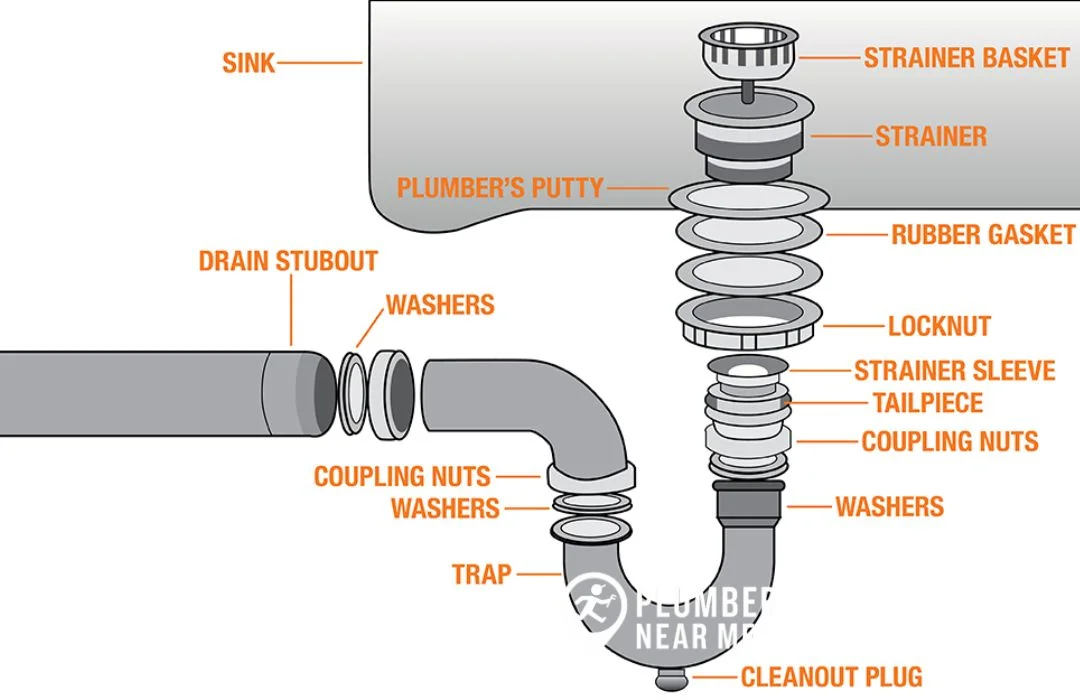
- Sealing sink drains (specifically for the drain flange)
-
- Installing faucets, disposal units, and see-through fixtures
-
- As a temporary sealant during installation or repair
Advantages and Disadvantages
Understanding the benefits and limitations of each material can help in determining the best choice for your project.
Advantages of Silicone
-
- Highly durable and long-lasting
-
- Resistant to mold, mildew, and moisture
-
- Capable of withstanding high temperatures
-
- Maintains flexibility over time, accommodating movement or expansion
-
- Suitable for permanent sealing
Disadvantages of Silicone
-
- Difficult to remove once cured
-
- Can be messy to apply if not careful
-
- Usually more expensive than plumber’s putty
-
- Not ideal for pressurized joints or connections needing adjustment
Advantages of Plumber’s Putty
-
- Easy to mold and shape during installation
-
- Removable and reusable if needed
-
- Usually less expensive
-
- Effective for impermanent seals in non-pressurized fixtures
Disadvantages of Plumber’s Putty
-
- Not waterproof once set; may leak over time
-
- Cannot be used on porous or flexible surfaces
-
- May damage certain finishes or surfaces (especially some plastics)
-
- Does not handle high temperatures well
Key Factors to Consider When Choosing
1. Type of Surface
-
- Silicone adheres well to most surfaces including ceramics, plastics, and metals.
-
- Plumber’s putty is best used on non-porous, smooth surfaces like porcelain or metal.
2. Permanent vs. Temporary Seals
-
- Use silicone for permanent, durable seals.
-
- Use plumber’s putty when a temporary or adjustable seal is needed, such as during installation.
3. Temperature and Moisture Resistance
-
- Silicone performs better in high moisture and temperature environments.
-
- Plumber’s putty is suitable only for low-temperature, dry conditions.
4. Ease of Application and Removal
-
- Plumber’s putty is easy to mold and removes cleanly.
-
- Silicone can be more challenging to remove once cured.
5. Potential for Damage
-
- Silicone is less likely to stain or damage surfaces.
-
- Plumber’s putty may stain or damage certain surfaces if not properly applied.
Practical Tips for Application
-
-
Applying Silicone:
-
- Ensure the surface is clean and dry.
-
- Use a caulking gun for neat application.
-
- Smooth the silicone with a finger or tool for proper sealing.
-
- Allow 24 hours for curing before exposing to water.
-
-
-
-
Applying Plumber’s Putty:
-
- Take a small amount and roll it into a snake-like shape.
-
- Press it around the drain flange or fixture.
-
- Wipe off excess after installation.
-
- It can be removed or adjusted easily if needed.
-
-
Conclusion
Selecting between silicone and plumber’s putty depends primarily on your specific plumbing task, surface compatibility, and whether a permanent or temporary seal is desired.
-
- For permanent, durable, and flexible seals around sinks, silicone is generally the best choice.
-
- For easy-to-remove, adjustable seals, particularly around sink drains, plumber’s putty is preferable.
Always remember to consider the surface material, application environment, and expected lifespan of the sealant.
If you’re unsure which material to choose or need professional assistance, consulting a licensed plumber near me can save you time and avoid costly mistakes.
FAQs
Q1: Can I use silicone instead of plumber’s putty for sealing sink drains?
A: It’s possible, but silicone is less easy to remove if you need to disassemble the drain later. Traditionally, plumber’s putty is preferred for sealing sink drains because it provides a reliable and removable seal.
Q2: Is plumber’s putty waterproof?
A: Not entirely. It creates a watertight seal during installation, but over time, especially if exposed to water continuously, it may degrade. Silicone offers better long-term waterproofing.
Q3: Can I use silicone around my sink faucet?
A: Yes, silicone sealant is recommended for sealing around faucets to prevent water leakage and mold growth.
Q4: Is plumber’s putty safe for all surfaces?
A: No. It can stain or damage certain plastics and finishes. Always verify compatibility before application.
Q5: How long does it take for silicone to cure?
A: Typically, silicone cures within 24 hours, but curing times can vary based on thickness and environmental conditions.
Choosing the right sealing material can ensure your sink drain functions efficiently for years to come. If you require expert help in your area, do not hesitate to find a plumber near me at PlumberNearMe.Work. Whether it’s a simple repair or a complex installation, professional plumbing services near you can provide peace of mind and reliable results.
Call Now for More Information
Not sure whether to use silicone or plumber’s putty for your sink drain project? You’re not alone—many homeowners face the same question when tackling DIY plumbing. Each material has its purpose, and using the right one makes all the difference in preventing leaks.
If you’d rather skip the guesswork and make sure it’s sealed right the first time, give us a call. Our licensed plumbers are just a quick phone call away and happy to help with repairs, installations, or expert advice. Call now for trusted, local plumbing support you can count on!