Understanding Silicone vs. Plumbers’ Putty for Bathtub Drains: Properties and Applications
When undertaking bathroom repairs or installations, choosing the right sealant for your bathtub drain is essential to ensure durability, water-tightness, and longevity. Among the most common materials used are silicone and plumbers’ putty. While they may seem similar, their properties, applications, and durability differ significantly. You May Also like: tips for buying plumbers putty at lowes.
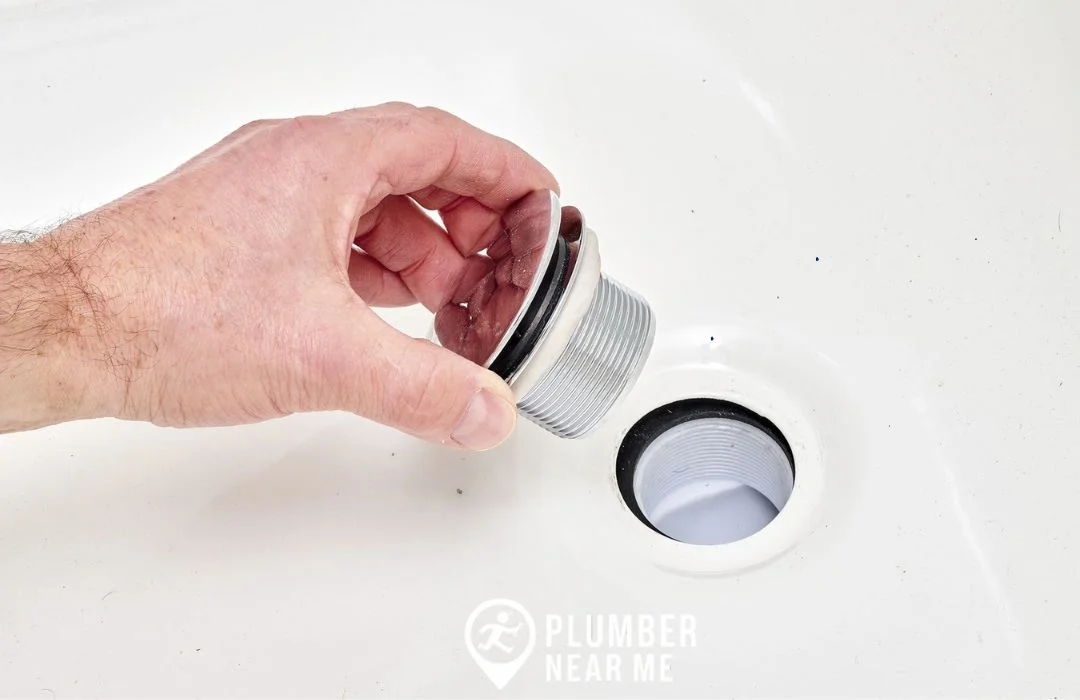
In this comprehensive guide, we will explore the differences between silicone and plumbers’ putty, their best uses, and tips to select the best sealant for your bathtub drain project.
What Is Silicone?
Silicone is a synthetic rubber-like material that is highly flexible, waterproof, and resistant to temperature fluctuations. It is available in caulking tubes and is widely used in various sealing applications around bathrooms and kitchens.
Properties of Silicone:
-
- Waterproof and moisture-resistant
-
- Flexible even after curing
-
- High temperature resistance (up to 400°F or 204°C)
-
- Chemical resistance to common cleaning agents
-
- Long-lasting with minimal shrinkage or cracking
-
- Remains elastic, allowing for movement without cracking
Color options are available, with clear, white, or specialized colors to match bathroom fixtures.
What Is Plumbers’ Putty?
Plumbers’ putty is a malleable, clay-like substance used primarily for sealing drain fittings and fixtures. It remains soft and pliable until it is smoothed into place.
Properties of Plumbers’ Putty:
-
- Malleable and easy to mold
-
- Remains flexible after application
-
- Ideal for sealing drain assemblies
-
- Reversible—can be removed and reapplied easily
-
- Does not harden or shrink as it cures
-
- Limited resistance to water over long periods; best for interior applications
It’s typically light-brown or tan, though it may come in other colors.
Comparing Silicone and Plumbers’ Putty
| Feature | Silicone | Plumbers’ Putty |
|---|---|---|
| Application | Sealing around tubs, sinks, windows | Sealing drains, packing joints |
| Curing Time | Dries quickly, typically within hours | No curing needed; remains malleable |
| Water Resistance | Excellent | Good for short-term use, but susceptible to water over time |
| Flexibility | High | High but less durable over long periods |
| Removability | Difficult to remove once cured | Easy to remove and reapply |
| Durability | Long-lasting | Suitable for practical seal in less exposed areas |
| Best for | Water-tight sealing in wet environments | Drain assembly and fixtures that require adjustment |
Best Applications for Silicone
Silicone is most suitable in the following situations:
-
- Sealing bathtub drains that are exposed to constant water exposure
-
- Around fixtures such as faucets, showerheads, and tiles
-
- Placing a waterproof barrier in areas with temperature fluctuations
-
- Whenever a permanent, durable seal is needed
Advantages of Silicone:
-
- Excellent adherence to various surfaces (ceramic, porcelain, metal)
-
- Maintains flexibility without cracking
-
- Resists mold and mildew due to its chemical composition
Best Applications for Plumbers’ Putty
Plumbers’ putty is best suited for:
-
- Sealing drain flanges to the sink or bathtub
-
- Sealing joints or fittings where adjustments are expected
-
- Temporary or semi-permanent seals in less demanding environments
Advantages of Plumbers’ Putty:
-
- Easy to mold and shape
-
- Excellent for creating a watertight seal around drain fittings
-
- Removable and reusable for future repairs
Key Factors to Consider When Choosing
When selecting between silicone and plumbers’ putty for your bathtub drain, consider:
-
- Durability: For long-term sealing, silicone is generally superior.
-
- Ease of Application: Putty is easier to mold and apply for drain assembly.
-
- Water Exposure: Silicone’s waterproof nature makes it suitable for continuous moisture.
-
- Removability: Putty can be easily peeled away if adjustments are needed.
-
- Compatibility: Ensure the material does not damage your bathtub finish or fittings.
Practical Tips for Application
Applying Silicone:
-
- Clean surfaces thoroughly before application.
-
- Use a caulking gun for precise application.
-
- Apply a continuous bead around the drain flange.
-
- Smooth the bead with a finger dipped in soapy water.
-
- Allow 24 hours for cure before exposing to water.
Applying Plumbers’ Putty:
-
- Roll the putty into a snake-like shape.
-
- Press it firmly around the drain flange.
-
- Remove excess with a knife or rag.
-
- Tighten the drain assembly.
-
- Ensure a smooth, even seal.
Common Mistakes to Avoid
-
- Using plumbers’ putty in areas exposed to constant water contact—it may fail over time.
-
- Applying silicone without cleaning surfaces properly—imperfect adhesion can lead to leaks.
-
- Over-tightening fittings—this could damage the seal or fittings.
-
- Waiting too long to test the seal after application.
When in Doubt, Call a Professional
Sometimes, the complexities of plumbing repairs or installations require a licensed plumber. Whether you need a bathroom plumber near me or a reliable residential plumber , professionals can ensure your bathtub drain is sealed correctly and functioning optimally.
If you’re facing persistent leaks or uncertain about the right approach, consider checking plumber near me for plumbing repair near me services that can assist with drain sealing, installation, or repair.
Conclusion
Choosing between silicone and plumbers’ putty largely depends on your specific needs:
-
- Use silicone for permanent, waterproof, and flexible sealing in areas exposed to constant moisture.
-
- Use plumbers’ putty for temporary or adjustable sealing around drain fittings or fixtures that may require future removal.
Careful consideration of application environment, long-term durability, and ease of use will guide your decision. For complex projects or uncertainties, seeking assistance from a licensed plumber can save time, money, and ensure the integrity of your plumbing system.
Q1: Can I use silicone instead of plumbers’ putty for my bathtub drain?
A: Yes, silicone can be used to seal bathtub drains, especially for permanent, water-tight seals. However, plumbers’ putty is more common for sealing drain flanges because of its ease of molding and removal.
Q2: Is plumbers’ putty suitable for a tub drain that is frequently used?
A: Not ideally. Plumbers’ putty is not highly resistant to prolonged water exposure and may degrade over time. Silicone is a better choice for long-term, water-exposed seals.
Q3: How long does silicone take to cure?
A: Typically, silicone cures within 24 hours, but curing time can vary depending on the product and environmental conditions.
Q4: Can I remove silicone if needed?
A: Removing silicone can be challenging and typically requires mechanical removal or solvents. It’s best to apply with care if future removal may be needed.
Q5: Where can I find professional plumbing services near me?
A: You can search for a local plumber or emergency plumber near me to ensure expert assistance with your plumbing needs.
Choosing the right sealant is critical to maintain a leak-free, durable, and safe bathtub drain. Understanding the properties and applications of silicone and plumbers’ putty helps make an informed decision, ensuring your bathroom remains functional and free from water damage.
Remember, for any plumbing project, whether simple or complex, it’s often best to hire a professional. Visit plumbernearme to find a plumber near me who can assist with drain cleaning, leak repair, and installation services tailored to your needs.
Call Now for More Information
Choosing between silicone and plumber’s putty for your bathtub drain can be confusing, but making the right decision ensures a proper seal and prevents costly leaks. Both materials have their benefits depending on the type of fixture and installation. If you’re unsure which option is best for your bathroom setup, don’t take chances—call a trusted local plumber today