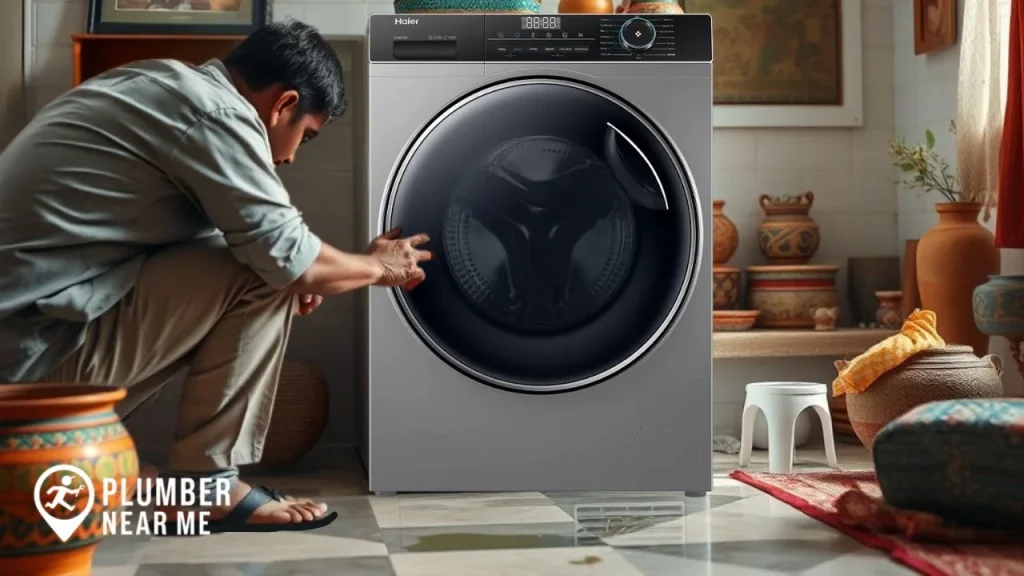
The laundry room is one of the most common places where water damage starts. Dripping hoses, overflowing washers, or poor waterproofing can all cause costly issues. That’s why preventing leaks and losses in the laundry room is so important. By taking simple precautions, you can protect your home, save money, and avoid stress. For expert guidance and professional help, visit Plumber Near Me.
Why Laundry Room Leaks Are a Big Problem
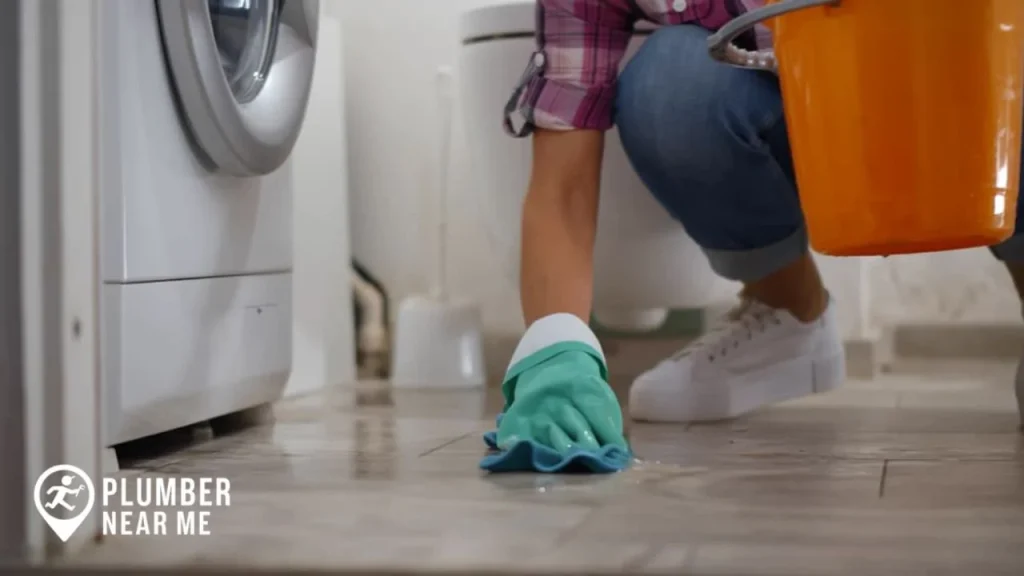
Even a small leak can waste thousands of liters of water each year. Apart from high utility bills, leaks can:
- Damage flooring, walls, and cabinets
- Cause mold and mildew growth
- Weaken your home’s structure if water seeps into the foundation
- Lead to expensive repairs over time
Taking steps for preventing leaks early is much cheaper than fixing water damage later. You May Also Like: Preventing Leaks and Losses in the Kitchen.
Basement Waterproofing for Preventing Leaks
Many laundry rooms are located in the basement, which makes them even more prone to leaks. Basement waterproofing is one of the best long-term solutions. Here are some methods:
- Seal cracks and gaps in basement walls and floors with waterproof sealant.
- Install a sump pump to keep water out during heavy rains.
- Use waterproof paint or coatings to protect basement walls.
- Keep gutters and downspouts clean so rainwater flows away from your foundation.
With proper basement waterproofing, you can avoid leaks that may damage both your laundry room and other parts of your home.
Preventing Leaks in the Laundry Room
Here are some practical ways to prevent leaks:
- Check washing machine hoses regularly for cracks or bulges. Replace them every 3–5 years.
- Use a washing machine drain pan under your washer to catch leaks.
- Make sure your washer is level so water doesn’t spill.
- Don’t overload the washing machine—this causes strain and overflows.
- Install a water leak detector that sounds an alarm if it senses water.
These simple steps help you stay ahead of leaks before they cause major damage.
Preventing Leaks Through Windows
If your laundry room has windows, rainwater can sneak in through cracks and weak seals. To avoid this:
- Inspect caulking around windows and reseal when necessary.
- Add weatherstripping for extra protection.
- Consider upgrading to double-pane windows for better sealing.
- After storms, always check window areas for dampness.
Good window maintenance keeps your laundry room dry and safe.
Extra Tips for a Leak-Free Laundry Room
- Clean the lint trap and dryer vent regularly to prevent clogs and condensation buildup.
- Don’t let wet clothes sit around for too long—they add extra moisture.
- Schedule yearly plumbing inspections to catch small problems early.
FAQs
How often should I check washing machine hoses?
Inspect them every few months and replace them every 3–5 years.
Is basement waterproofing worth it?
Yes, it prevents water from entering your laundry room and protects your foundation.
Can windows really cause leaks in the laundry room?
Yes, poor seals or cracked caulking around windows can let rainwater seep in.
What is the easiest way to prevent laundry leaks?
Using a washing machine drain pan and checking hoses regularly are the simplest steps.
Conclusion
Preventing leaks and losses in the laundry room is all about regular checks, waterproofing, and simple precautions. From sealing basement walls to maintaining washer hoses and securing windows, every step helps keep your home safe. For professional inspections or assistance with leak prevention, visit Plumber Near Me. A little attention now saves you from major repair bills later.