Understanding Plumber’s Putty: A Comprehensive Guide
Plumber’s putty is a versatile and essential material in the world of plumbing. Its unique properties and ease of use make it a preferred choice for many residential and commercial applications. In this article, we will explore what plumber’s putty is, its primary uses, how to apply it properly, precautions, and alternative options for specific surfaces. You May Also like: how to find 24 hour emergency plumbing near you.
What Is Plumber’s Putty?
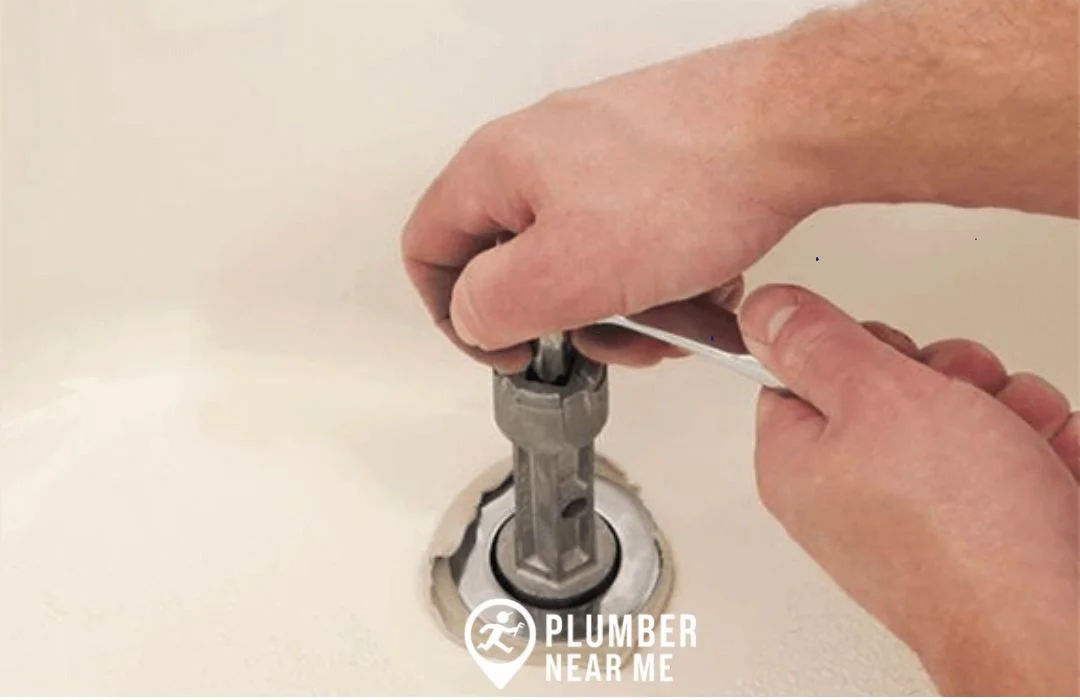
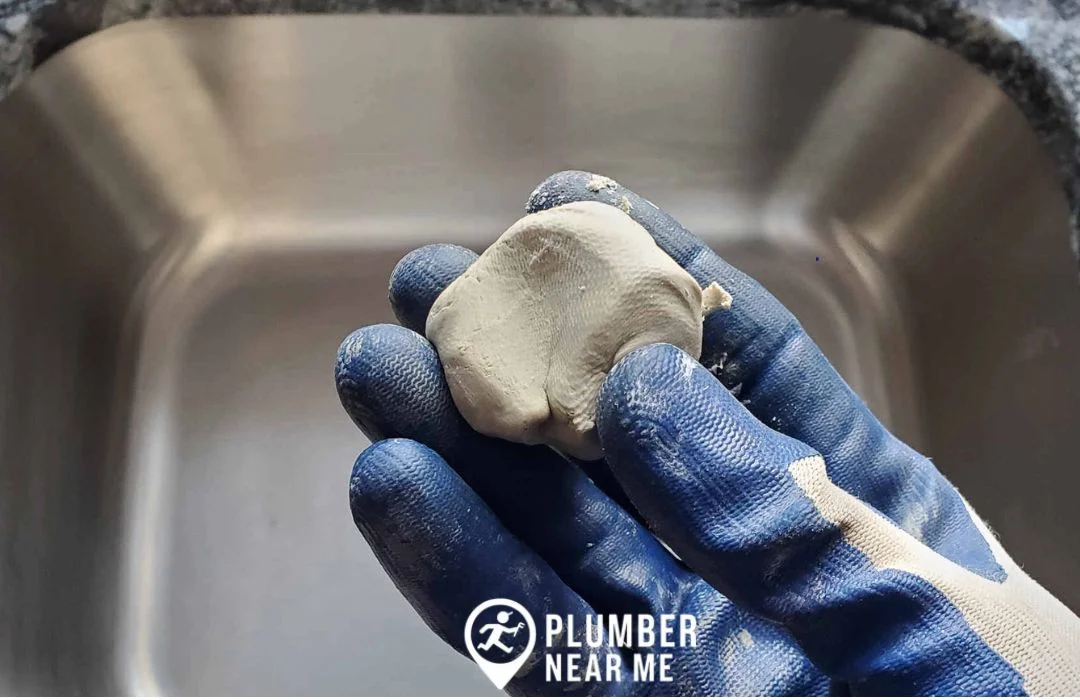
Plumber’s putty is a malleable, clay-like substance commonly used by plumbers for creating watertight seals around fittings and fixtures. It is formulated with petroleum, clay, and other chemical compounds that give it a soft, pliable texture when fresh and a durable seal once dried.
Key Characteristics of Plumber’s Putty
-
- Malleability: Easily shaped and molded by hand
-
- Water-Resistant: Provides an effective seal against leaks
-
- Removable: Can be resealed or adjusted if needed
-
- Temperature Tolerance: Works well within typical plumbing temperatures
-
- Color: Usually gray or brown, but can vary depending on brand
Primary Uses of Plumber’s Putty
Plumber’s putty serves many purposes, primarily focusing on creating seals around plumbing fixtures. Here are the most common applications:
Sealing Joints and Fittings
-
- Around sinks and faucets
-
- Under drains, such as sink drains and bathtubs
-
- Seal between countertops and fixtures
Securing Fixtures
-
- To prevent leaks from sink strainers
-
- Around overflow fittings
-
- Sealing spray nozzles and showerheads
Filling Gaps and Irregularities
-
- In cases where surfaces are uneven or irregular, plumber’s putty fills the gaps for a tight seal
Temporary and Permanent Use
-
- Designed for long-term sealing but also suitable for temporary fixes
Proper Application of Plumber’s Putty
Application techniques are crucial to ensure a watertight, lasting seal. Here’s a step-by-step guide:
Preparation
-
- Clean surfaces thoroughly to remove dirt, grease, and old sealant
-
- Ensure surfaces are dry before application
Application
-
- Take a small amount of plumber’s putty and knead it until soft
-
- Roll the putty into a rope or snake-like shape, about 1/4 inch in diameter
-
- Spread the putty around the fitting or fixture’s edge where it contacts the surface
-
- Press the fixture into place, ensuring the putty seals all gaps
-
- Wipe away excess putty for a clean appearance
-
- Tighten or secure the fixture as needed
Post-Application
-
- Inspect the seal for any gaps or air bubbles
-
- Test for leaks after installation by running water
Important Considerations and Precautions
While plumber’s putty is highly effective, it’s essential to understand its limitations and compatible materials.
Surfaces Not Suitable for Plumber’s Putty
-
- Natural stone surfaces such as marble, granite, limestone
-
- Because it can stain or damage these materials
-
- Natural stone surfaces such as marble, granite, limestone
-
- Porous materials that may absorb the putty
-
- Plastic or synthetic fixtures that may degrade with petroleum-based products
When to Use Alternatives
-
- For marble or stone surfaces, consider using silicone sealant or butyl tape
-
- For applications requiring removable or adjustable seals, thread sealant or gasket materials are preferred
Storage and Handling
-
- Keep in air-tight container to prevent drying out
-
- Avoid exposure to heat or sunlight during storage
-
- Wear gloves during handling to prevent skin irritation
Comparing Plumber’s Putty with Alternative Sealants
| Property | Plumber’s Putty | Silicone Sealant | Pipe Dope | Gasket Material |
|---|---|---|---|---|
| Malleability | High | Moderate | Low | Varies |
| Removability | Easy | Semi-permanent | Difficult | Varies |
| Material compatibility | Many surfaces | Most surfaces | Pipes and fittings | Surfaces with gasket contact |
| Best Use | Fixtures, drains | Sealing fixtures, countertops | Threaded connections | Gaps and irregular surfaces |
Advantages of Using Plumber’s Putty
-
- Easy to mold and work with
-
- Affordable and widely available
-
- Provides a reliable seal for various fixtures
-
- Removable if adjustments are needed
Limitations and Disadvantages
-
- Not suitable for natural stone surfaces
-
- Can crack or dry out over time
-
- Messy application, requiring clean-up
-
- Chemical odor during application
-
- Should not be used where permanent, flexible seals are required
Maintenance and Troubleshooting
Even with proper application, leaks may occasionally occur over time. Here’s how to address common issues:
Detecting Leaks
-
- Water stains or drips beneath fixtures
-
- Moisture accumulation around joints
-
- Sudden increases in water bills
Fixing Leaks
-
- Tighten fittings if loose
-
- Remove old plumber’s putty and reapply anew
-
- Ensure surfaces are clean before reapplication
-
- Use compatible sealants for sensitive surfaces
When to Call a Professional
If leaks persist or if you’re working with complex plumbing systems, contacting a licensed Plumber near me like Plumber Near Me ensures professional, reliable service.
Conclusion
Plumber’s putty remains a popular and effective sealing material in plumbing installations due to its ease of use, reliability, and cost-effectiveness. It is most suitable for sealing drains, faucets, and fixtures where a flexible, removable, and watertight seal is required.
However, users should be aware of surface limitations—notably its incompatibility with natural stone—and know when to choose alternative sealants. Proper application techniques and routine inspections can significantly prolong the lifespan of plumbing connections.
If you need assistance with plumbing repairs, or require a professional to handle delicate or extensive work, consider reaching out to a local plumber or consulting professional plumbing services near me.
FAQs
Q1: Can I use plumber’s putty on a marble countertop?
A: No, plumber’s putty can stain or damage marble and natural stone surfaces. Instead, use silicone sealant specifically formulated for such materials.
Q2: Is plumber’s putty waterproof?
A: Yes, once properly applied, it provides an effective waterproof seal around drains and fixtures.
Q3: Can plumber’s putty be removed easily?
A: Yes, plumber’s putty is removable, making it ideal for fixtures that may need to be adjusted or replaced.
Q4: How long does plumber’s putty last?
A: When properly applied and maintained, it can last several years, but exposed to heat, chemical cleaners, or UV light, its lifespan may decrease.
Q5: Are there eco-friendly alternatives to plumber’s putty?
A: Yes, some environmentally friendly sealants, such as silicone-based or plant-based options, are available for specific applications.
For trusted plumbing services near me, including drain cleaning, leak repair, and installations, visit Plumber Near Me. Our network of licensed plumbers ensures quality and reliability for all your plumbing needs.
Call Now for More Information
Plumber’s putty is a versatile tool for creating reliable seals around sinks, drains, faucets, and other plumbing fixtures. Its soft, moldable texture allows it to fill gaps and form a durable, watertight seal that prevents leaks. For the best results and to avoid potential mistakes, call now for more information and connect with a licensed plumber who can ensure your fixtures and joints are sealed safely and effectively.