Understanding Plumber’s Putty: The Essential Sealing Compound in Plumbing
Plumber’s putty is a versatile and essential material widely used in the plumbing industry. Known for its soft, malleable consistency, it provides an excellent solution for creating watertight seals around various plumbing fixtures. Whether sealing the base of a faucet or sealing drain fittings, plumber’s putty is a go-to compound for both professional plumbers and DIY enthusiasts. You May Also like: top rated seattle plumbers you should consider.
What is Plumber’s Putty?
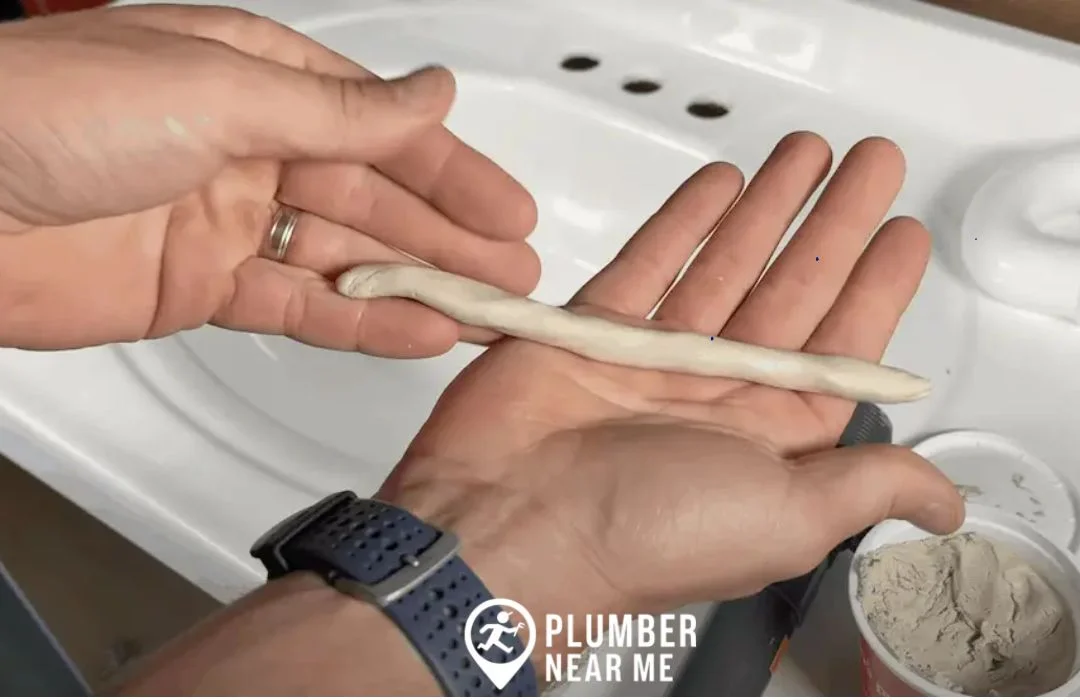
Plumber’s putty is a sealing compound made from a mixture of clay, linseed oil, and other natural ingredients. Its primary characteristic is being soft and malleable, allowing it to conform to irregular surfaces and fit snugly into spaces that require sealing.
Key Features of Plumber’s Putty:
-
- Malleability: Easily molded and shaped.
-
- Adhesive Properties: Binds well to surfaces like metal, ceramic, and plastic.
-
- Water Resistance: Provides an effective water-tight seal.
-
- Removability: Can be easily removed without damaging surfaces, making it ideal for fixtures that might need replacement or removal in the future.
Composition of Plumber’s Putty
The core ingredients typically include:
-
- Clay: Provides the basic structure and organic binding.
-
- Linseed Oil: Acts as a binder and imparts flexibility.
-
- Other Materials: Sometimes include asphalt or other natural resins to enhance sealing ability and durability.
Uses and Applications of Plumber’s Putty
Plumber’s putty is favored for numerous tasks in both residential and commercial plumbing. Its main functions include:
-
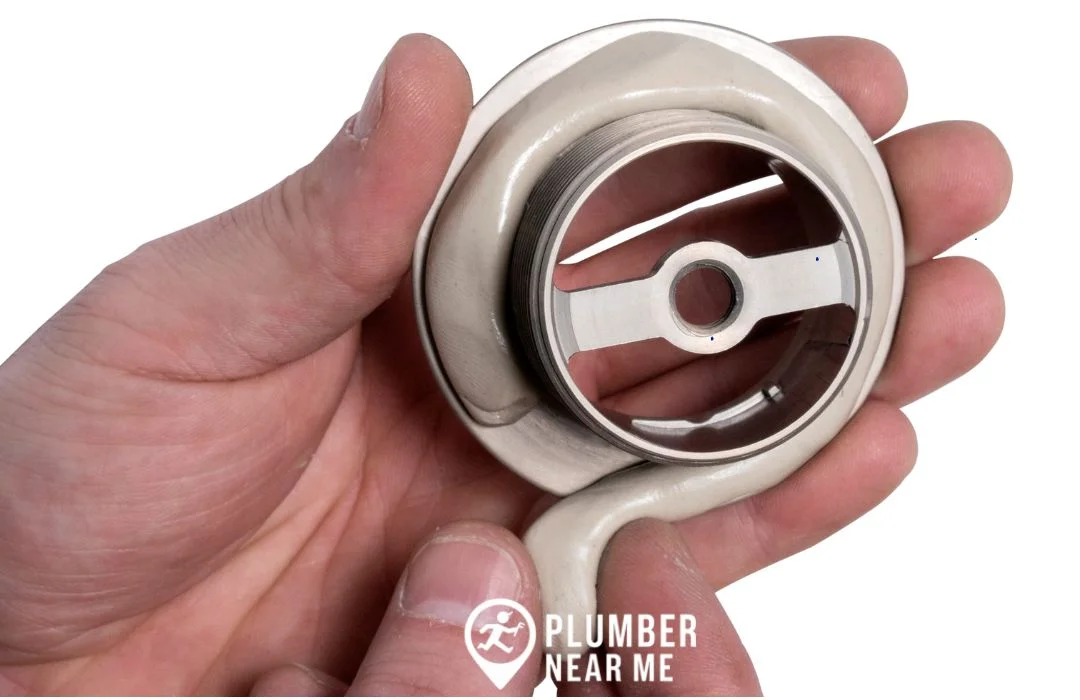
- Sealing Drain Fittings: Around bathroom and kitchen drains to prevent leaks.
-
- Faucet Installation: Creating a watertight seal between the faucet base and sink.
-
- Sealing Soap Dishes and Basket Strainers: To prevent water leaks under fixtures.
-
- Bathtub and Shower Receptor Installation: Sealing the edges where fixtures meet the surface.
-
- Sealing Around Bathtubs and Sinks: To prevent water intrusion into the surrounding walls or cabinetry.
Common Plumbing Fixtures Where Plumber’s Putty Is Used:
-
- Sinks (Kitchen & Bathroom)
-
- Faucets
-
- Drains
-
- Shower Receptors
-
- Bathtubs
-
- Flat fixtures that require a non-permanent seal
Advantages of Using Plumber’s Putty
Why is plumber’s putty so popular? Here are some advantages:
-
- Ease of Use: Easily kneaded and shaped without special tools.
-
- Excellent Conformity: Bends and molds with irregular surfaces.
-
- Reusable: Can be removed and reapplied if needed.
-
- Cost-Effective: Usually inexpensive and widely available.
-
- Reliable Seal: When used properly, creates a leak-proof barrier.
Limitations and Precautions
Despite its many benefits, plumber’s putty does have limitations:
-
- Not Suitable for Under-Gasket Use on Certain Materials: Such as natural stone, because over time, ingredients may stain or damage surfaces.
-
- Not Approved for Drinking Water Contact: Avoid using it where it might come into direct contact with potable water for extended periods.
-
- Temperature Sensitivity: Can become soft or brittle at extreme temperatures.
-
- Does Not Harden: Unlike caulks or epoxies, plumber’s putty remains soft, which may be undesirable in some applications.
Precautions:
-
- Always test a small area before full application.
-
- Avoid using on natural stone countertops or surfaces, as it can cause staining.
-
- Remove excess putty after installation to prevent it from contaminating the water supply.
Application Tips for Best Results
Proper application ensures a durable and effective seal:
-
- Clean Surfaces: Ensure that the surface is clean, dry, and free from debris.
-
- Knead the Putty: Work the putty until soft and pliable.
-
- Apply Generously: Roll the putty into a rope-like shape and place a thin layer around the flange or fitting.
-
- Set Fixture: Position the fixture or drain and tighten according to manufacturer instructions.
-
- Remove Excess: Wipe away any excess putty with a clean cloth to prevent it from contaminating the water.
-
- Test for Leaks: Turn on the water and check for leaks, adjusting if necessary.
Alternatives to Plumber’s Putty
While plumber’s putty is highly effective, sometimes other sealing options are preferred:
-
- Silicone Caulk: Better for applications involving natural stone or where a flexible, durable seal is required.
-
- Epoxy Sealants: For permanent, waterproof bonds.
-
- Rubber Gaskets: For components that require easy removal and reinstallation.
Your choice depends on the specific application, surface materials, and whether a permanent or temporary seal is needed.
Conclusion
Plumber’s putty remains a fundamental material in plumbing due to its ease of application, reliability, and cost-effectiveness. Its unique properties make it perfect for sealing fittings, drains, and fixtures, preventing leaks and water damage when used appropriately. However, understanding its limitations and correct application techniques ensures optimal performance and longevity.
Whether you’re a professional Plumber or a homeowner undertaking repairs, knowing when and how to use plumber’s putty can save you time and money. For more complex tasks or emergency situations, consider reaching out to a licensed plumber near me or exploring professional plumbing services near me to ensure quality work and lasting results.
FAQs About Plumber’s Putty
1. Is plumber’s putty safe for use around food preparation areas?
It is generally safe for plumbing fixtures outside of direct contact with drinking water. However, avoid using on surfaces that contact food directly, especially natural stone surfaces.
2. How does plumber’s putty differ from silicone sealant?
Plumber’s putty is soft, moldable, and removable, ideal for temporary seals on fixtures. Silicone sealants are more permanent, flexible, and suitable for sealing surfaces like natural stone where staining is a concern.
3. Can plumber’s putty be used for outdoor plumbing?
While it’s primarily designed for indoor applications, it can be used outdoors if the conditions are not too extreme. For long-term outdoor use, consider more durable sealants like rubber gaskets or epoxies.
4. How long does plumber’s putty last?
It can last for many years if kept in good condition and applied correctly. It is not a permanent seal and may need reapplication if leaks develop.
5. What should I do if plumber’s putty causes staining?
Remove the putty promptly and clean the surface. For natural stone or sensitive surfaces, opt for a silicone caulk instead.
For professional plumbing assistance, you can visit Plumber Near Me, which connects you with trusted local experts who can help with plumbing repair, drain cleaning, water heater repair, and more.
Call Now for More Information
Plumber’s putty is a go-to solution for creating watertight seals around sinks, drains, and other plumbing fixtures. Its soft and flexible texture makes it easy to work with while providing a durable seal that prevents leaks. If you’re dealing with plumbing repairs or installations, call now for more information and get expert guidance on using plumber’s putty correctly to ensure a long-lasting and reliable seal for your fixtures.