Understanding the Role of Plumbers in Gas Line Installation and Maintenance
Plumbers are often associated with fixing leaking faucets, unclogging drains, and installing plumbing fixtures. However, their expertise extends far beyond just water systems. A critical aspect of their work involves gas lines, especially when it pertains to natural gas or propane lines that supply essential appliances such as stoves, water heaters, furnaces, and dryers. Working with gas lines is inherently dangerous and requires specialized skills, rigorous training, and certification to ensure safety and compliance with local codes and regulations. You May Also Like: How To Find A Plumber For Leaking Shower Repairs.
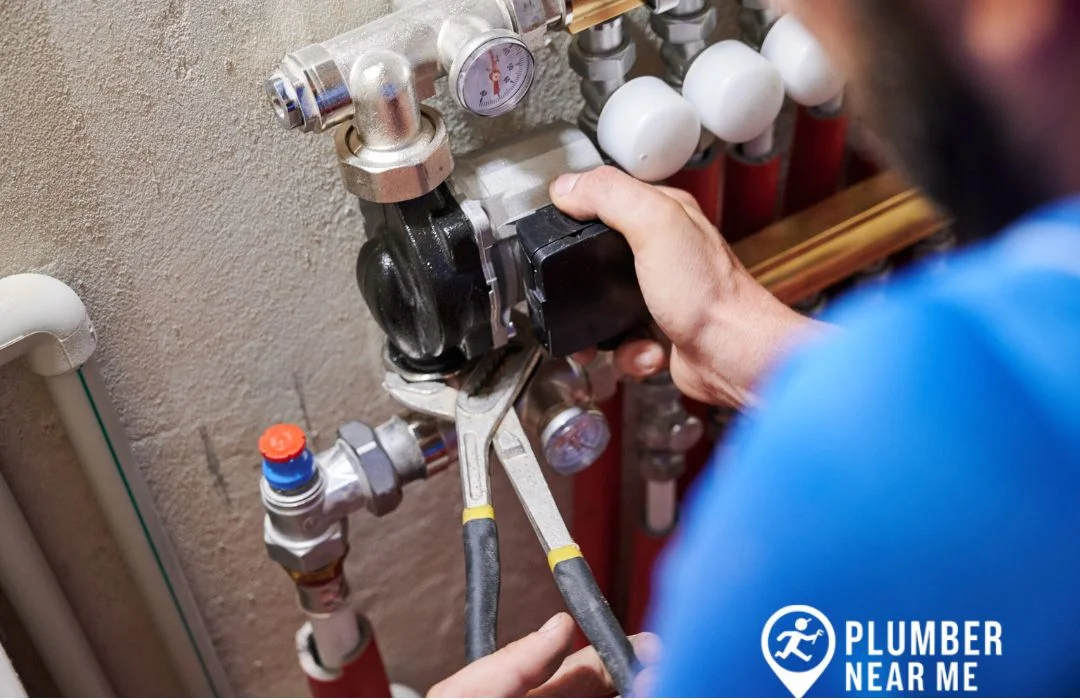
In this article, we’ll explore the importance of plumbers working on gas lines, the qualification requirements, how they coordinate with gas-specific technicians, and tips for hiring qualified professionals. Whether you’re planning new installations or repairs, understanding these aspects can help you make informed decisions.
The Scope of Plumbers’ Work on Gas Lines
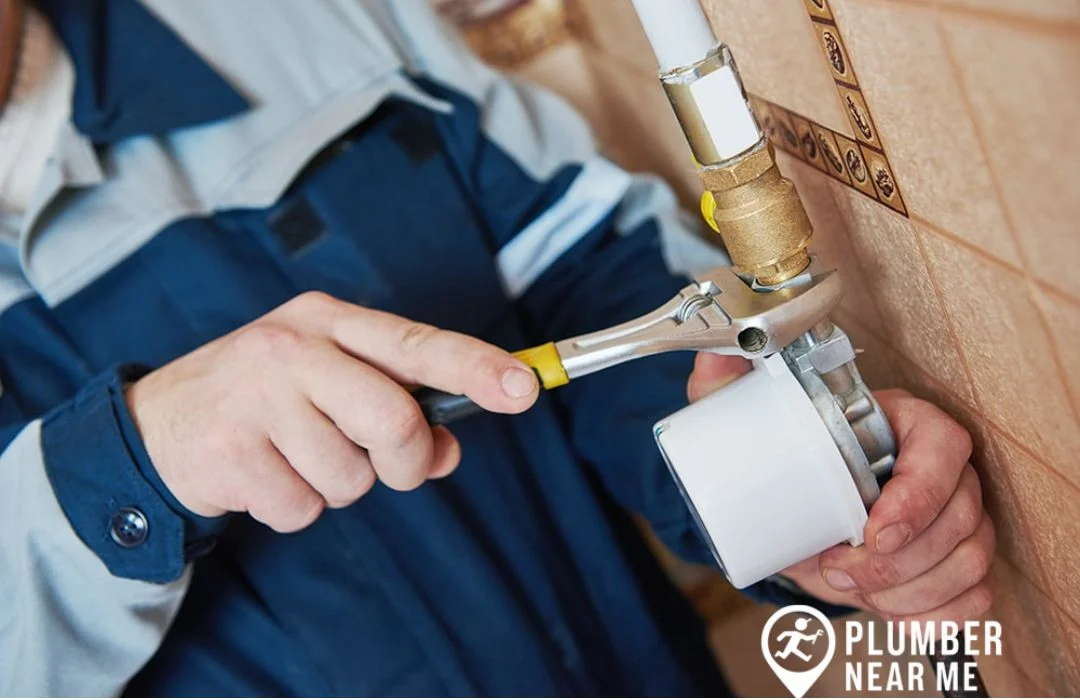
While many associate plumbers primarily with water supply and drainage systems, many also work on gas lines. Their involvement commonly includes:
-
- Installing new gas lines during home renovations or new constructions
-
- Repairs and maintenance of existing gas lines that have developed leaks or other issues
-
- Upgrading or replacing outdated gas piping systems
-
- Connecting appliances like gas stoves, water heaters, furnaces, and dryers
Gas line work is usually part of broader plumbing services but is distinct because of the health and safety risks involved.
Why Gas Line Work Requires Specialized Skills
Working with gas lines isn’t like handling standard water pipes. It involves hazardous materials—natural gas and propane—which are flammable and potentially explosive. Improper installation or repair can lead to:
-
- Gas leaks
-
- Fire hazards
-
- Carbon monoxide poisoning
-
- Legal issues and fines for non-compliance
Hence, specialized training and certification are mandatory for plumbers performing this work.
Certifications and Licensing for Gas Line Work
In most jurisdictions, gas line work is regulated by local building codes and state or federal regulations. Licensed plumbers typically must obtain additional certification or licensing to work on gas piping systems.
Key Points:
-
- Training programs cover safety protocols, gas code compliance, and system design
-
- Certification exams ensure understanding of local regulations, proper installation techniques, and safety procedures
-
- Many states require gas fitters or technicians to hold specific licenses apart from standard plumbing licenses
-
- Continuing education is often required to stay updated on code changes and new safety standards
Important: Always confirm that the professional you hire has the appropriate licensing and certification.
The Collaboration Between Plumbers and Gas Technicians
Gas system work often involves multiple professionals:
-
- Licensed plumbers may handle the overall plumbing system, including the gas pipe installation or repair.
-
- Specialized gas fitters or gas technicians focus exclusively on gas-specific work, ensuring safety and code compliance.
-
- Coordination between these professionals is common and necessary for complex projects.
For example, a licensed plumber might install the gas lines, while an authorized gas technician performs testing, pressure checks, and final inspections.
The Importance of Hiring Qualified, Licensed Professionals
Given the hazards associated with gas lines, always prioritize qualified professionals.
Why Hire Licensed Experts?
-
- Safety: Proper installation minimizes risks of leaks, explosions, and poisoning.
-
- Code Compliance: Ensures work meets local and national standards.
-
- Insurance Coverage: Work performed by licensed pros is covered by liability insurance.
-
- Long-term Reliability: Properly installed gas lines last longer and function safely.
-
- Legal Compliance: Working without proper licenses can lead to penalties and future liabilities.
You can check for licensed plumbers near me on trusted platforms like Plumber Near Me, ensuring you locate qualified local professionals.
What to Expect During Gas Line Work
When engaging a licensed plumber or gas specialist, expect:
-
- Initial assessment of your plumbing and gas system
-
- Design and planning tailored to your needs
-
- Permits and paperwork handled by the professionals
-
- Careful installation or repair, adhering to safety standards
-
- Pressure testing to detect leaks
-
- Final inspection and certification
Pro tip: Always ask to see certifications, references, and insurance policies before hiring.
Safety Tips for Gas Line Maintenance and Repairs
-
- Never attempt to repair or modify gas lines yourself.
-
- Install carbon monoxide detectors in your home.
-
- Schedule regular inspections with licensed professionals.
-
- Immediately shut off gas supply if you suspect a leak.
-
- Evacuate the premises and call emergency services if dangerous conditions arise.
-
- Use trusted local plumbing services near me for routine maintenance (Check out plumber in my area to find the best local options).
Conclusion
Plumbers play a vital role in ensuring the safe installation, repair, and maintenance of gas lines, especially for natural gas and propane-powered appliances. Due to the hazardous nature of gas work, professional licensing, advanced training, and strict adherence to codes are non-negotiable.
Hiring qualified, licensed professionals not only provides peace of mind but also ensures the safety of your household and compliance with regulations. Whether you need a new gas line installation or urgent repairs, always opt for experts to handle this high-risk work.
FAQs
1. Can a regular plumber work on gas lines?
While some plumbers may have basic knowledge of gas lines, working on gas-specific systems generally requires additional certification and training. Always verify their credentials.
2. How do I find a licensed plumber for gas line work?
You can search for licensed plumber near me or visit platforms like Plumber Near Me for vetted professionals.
3. What are the dangers of improper gas line installation?
Risks include gas leaks, fires, explosions, and carbon monoxide poisoning. Proper professional work minimizes these hazards.
4. How often should gas lines be inspected?
It’s recommended to have professional inspections at least once every 3-5 years, or immediately if you notice furnace issues, odors, or pilot light problems.
5. What’s the cost of gas line installation or repair?
Costs vary depending on project scope, location, and needed materials. Contact a local plumber for an accurate estimate. Remember to prioritize quality and safety over the lowest price.
Remember, safety first! Always hire licensed professionals for gas line work to secure a safe and reliable home environment. To find trusted local experts, visit Plumber Near Me today.
Call Now for More Information
Many homeowners are surprised to learn that licensed plumbers can legally and safely handle gas lines for appliances such as stoves, water heaters, and dryers. Because gas lines are critical to household safety, plumbers receive specialized training and certification to work with natural gas and propane systems. When done properly, a plumber’s expertise ensures that gas connections are secure, leak-free, and up to local code requirements.
Plumbers bring the right tools and technical knowledge to diagnose gas line issues or install new appliances without compromising safety. Whether you’re converting to a gas range or replacing a faulty water heater, a qualified plumber can assess the existing gas infrastructure and make the necessary modifications. This minimizes the risk of leaks or dangerous buildup that could lead to costly damage—or worse, a health hazard.
If you’re planning a gas appliance upgrade or have concerns about your current setup, don’t take chances. Contact a licensed plumber in your area to inspect or install your gas lines safely and efficiently. Call now for more information and peace of mind—your safety starts with professional help.