Understanding the Factors Affecting Plumber Hourly Rates
When it comes to hiring plumbing services, one of the most common questions homeowners and business owners ask is, “How much does a plumber charge per hour?” The answer isn’t straightforward because several factors influence the hourly rate for plumbers. These include the location, experience level, job complexity, and even the time of day. In this article, we’ll explore these factors in detail to help you better understand what to expect and how to make informed decisions when hiring a plumber. You May Also like: how to locate local plumbers.
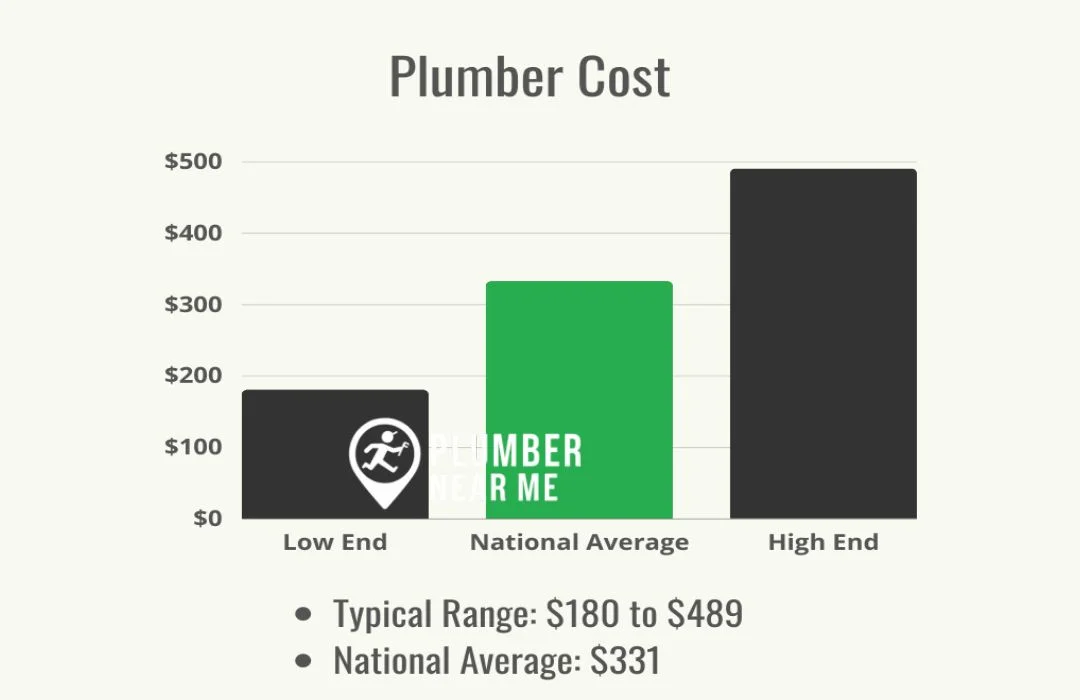
Typical Hourly Rates for Plumbers in the United States
Most plumbers in the US charge between $75 and $150 per hour. This range is considered standard for many basic repair jobs and installations. However, certain circumstances can cause the rates to fluctuate significantly.
High-Cost Cities and Specialized Services
In high-cost urban areas like New York City, San Francisco, or Washington D.C., the hourly rate can reach $200 or more. These rates often reflect the higher cost of living, licensing requirements, and the complexity of plumbing systems in larger buildings.
Similarly, specialized plumbing services such as sewer repair, water heater installation, or gas line work often command higher rates due to the skill and equipment required.
Factors Influencing the Hourly Rate
Several key factors influence how much a plumber will charge per hour. Understanding these can help you anticipate costs and avoid surprises.
1. Location
-
- Urban vs. Rural Areas: Plumbing rates tend to be higher in densely populated cities due to higher operational costs and demand.
-
- Regional Cost of Living: States like California, New York, and Massachusetts typically have higher rates compared to Southern or Midwestern states.
2. Experience and Credentials
-
- Licensed and Certified Plumbers: More experienced and licensed plumber generally charge more but bring greater expertise and reliability.
-
- Senior vs. Entry-level: Veteran plumbers may charge premium rates for complex or safety-critical jobs.
3. Job Complexity
-
- Simple Repairs: Fixing a leaky faucet or unclogging a drain usually costs less than installing a new water heater or re-piping a house.
-
- Complex Projects: Involves extensive planning, permits, or the use of specialized tools, which can significantly increase the hourly rate.
4. Time of Service
-
- Emergency Calls: Service outside regular hours, such as nights or weekends, often incur higher rates—sometimes up to double the standard fee.
-
- Routine Work: During regular business hours, rates tend to be more predictable and affordable.
5. Additional Fees
-
- Diagnostic or Service Call Fee: Many plumbers charge a separate diagnostic fee before starting repairs, typically ranging from $50 to $100.
-
- Flat Rates for Common Jobs: Some services, like installing fixtures or drain cleaning, may have firm flat-rate pricing.
Typical Additional Charges and Fees
Understanding additional fees is crucial in estimating the total cost of plumbing work.
-
- Diagnostic Fee: Ranges from $50 to $100; covers inspection and assessment.
-
- Flat Rates for Basic Jobs: For straightforward tasks, plumbers may offer flat-rate pricing—e.g., $150–$300 for installing a new toilet.
-
- Travel or Service Call Fees: Some plumbers charge for travel time, especially in rural areas or for urgent calls.
-
- Materials and Supplies: These are usually not included in hourly rates and may be billed separately.
Why It’s Important to Get Multiple Estimates
To ensure you’re paying a fair price, it is highly recommended to:
-
- Compare quotes from different providers.
-
- Clarify what is included in each quote, especially concerning labor, materials, and additional fees.
-
- Check reviews and credentials to ensure quality work.
You can find a plumber near me or explore local plumber options through trusted sources like Plumber Near Me, which offers comprehensive plumbing services near me.
Flat Rates vs. Hourly Rates
While hourly rates are common, some plumbers prefer flat-rate pricing for specific jobs. These can include:
-
- Installing a new faucet or toilet.
-
- Unclogging drains.
-
- Replacing water heaters.
-
- Sewer repairs.
Advantages of flat-rate pricing include:
-
- Better cost predictability.
-
- No surprises if the job takes longer than expected.
However, for complex or unforeseen issues, hourly billing might be more appropriate.
Recommendations When Hiring a Plumber
-
- Get multiple estimates to compare costs and services.
-
- Confirm what is included in the rate—labor, parts, fees.
-
- Check license and insurance status to ensure quality and protection.
-
- Request references or reviews from past clients.
-
- Consider hiring licensed plumbers for permits and code compliance.

Conclusion
Understanding plumber hourly rates and the variables that influence them can help you plan your budget more effectively and avoid unnecessary costs. Typically, rates in the US fall between $75 and $150 per hour, but high-cost cities and specialized services can push this up to $200 or more. Remember to account for diagnostic fees, flat rates for common jobs, and additional charges for emergency or after-hours work.
By gathering multiple estimates, clarifying what each includes, and choosing reputable, licensed professionals, you ensure your plumbing needs are met efficiently and economically. Whether you’re dealing with a minor leak or planning a major plumbing overhaul, being informed about the cost factors helps you make the best decision for your property.
FAQs
Q1: What is the average hourly rate for plumbers in the US?
A: Most plumbers charge between $75 and $150 per hour. High-cost cities or specialized work can increase this rate up to $200 or more per hour.
Q2: Do plumbers charge extra for emergency services?
A: Yes, emergency or after-hours services usually come with a higher fee, often double the standard rate.
Q3: Are diagnostic fees common?
A: Yes, many plumbers charge a diagnostic fee ranging from $50 to $100, which is applied toward the repair if you proceed.
Q4: Should I get multiple estimates?
A: Absolutely. Comparing estimates helps you understand the cost range, services included, and ensures you’re getting a fair price.
Q5: How do flat rates differ from hourly rates?
A: Flat rates are pre-determined prices for specific jobs, providing cost certainty, while hourly rates depend on the time taken to complete the work.
For more detailed information or assistance, consider reaching out to plumber near me to connect with qualified local professionals.
By understanding these aspects, you’re better equipped to make informed decisions and select the best plumbing services near me.
Call Now for More Information
Plumbing costs aren’t one-size-fits-all — your location and the plumber’s experience can make a big difference in the hourly rate you pay. If you’re planning a repair or installation, it’s smart to know what’s fair for your area. Contact us today to discuss your needs and get connected with skilled plumbers who offer transparent pricing.