An old electric water heater can still serve you well if it’s properly maintained. Many homeowners think they need to replace their unit the moment it starts acting up, but with regular care and attention, you can extend its lifespan and improve efficiency. Whether you want to learn the components of a hot water heater or understand how to maintain an electric water heater, this guide will walk you through everything step by step. You May Also Like: Heat Pump Hot Water Installation.
For more tips and plumbing solutions, visit Plumber Near Me to connect with trusted professionals.
Understanding Old Electric Water Heaters
An electric water heater works by using heating elements inside a tank to warm water, which is then supplied throughout your home. As these units age, they become less efficient due to sediment buildup, worn-out parts, or lack of maintenance. That’s why learning how to care for your water heater is essential.
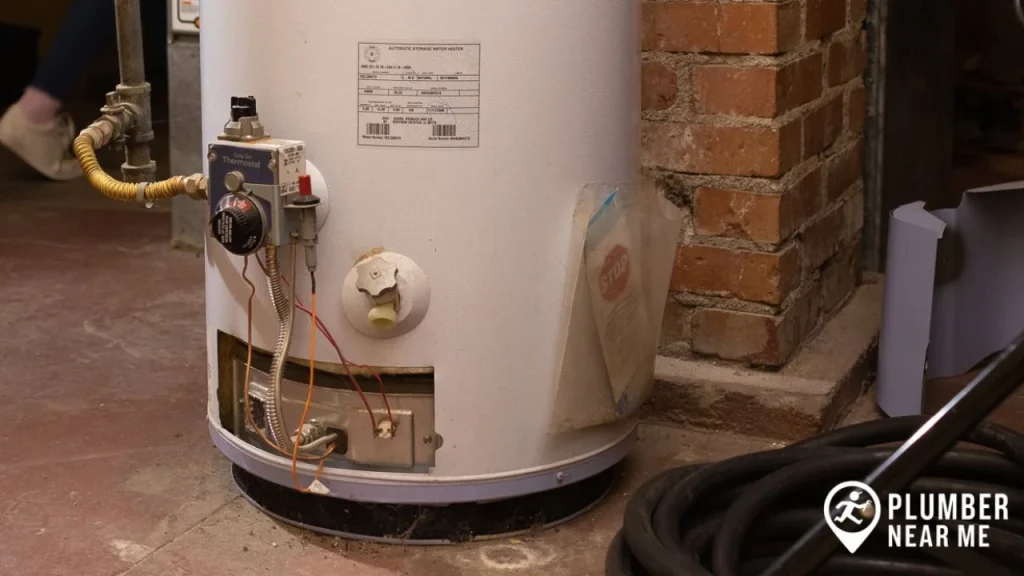
Main Components of a Hot Water Heater
Every electric water heater—old or new—contains a few critical parts:
- Tank: A steel container lined with glass to prevent rust.
- Dip Tube: Directs incoming cold water to the bottom of the tank.
- Heating Elements: Usually two (top and bottom) that heat the water.
- Thermostat: Regulates the water temperature, usually set around 120–125°F.
- Anode Rod: Prevents rust by corroding in place of the tank walls.
- Pressure Relief Valve: Releases excess pressure for safety.
- Hot Water Outlet: Delivers heated water to your fixtures.
Understanding these components of a hot water heater will help you spot problems and perform maintenance confidently.
How to Maintain an Old Electric Water Heater
If you’re wondering how to maintain an electric water heater, here are the key steps every homeowner should follow:
1. Check the Temperature Setting
- Keep it at 120–125°F to avoid scalding, conserve energy, and reduce wear on the heater.
2. Inspect for Leaks
- Look around the base of the tank and the connections. Even small drips can turn into big issues if ignored.
3. Test the Pressure Relief Valve
- Lift the lever and release it. If no water flows, or if it continues to leak afterward, replace the valve immediately.
4. Flush the Tank
- Sediment builds up over time, especially in old electric water heaters. Attach a garden hose to the drain valve, empty a few gallons, and flush until the water runs clear. This improves efficiency and extends the life of the unit.
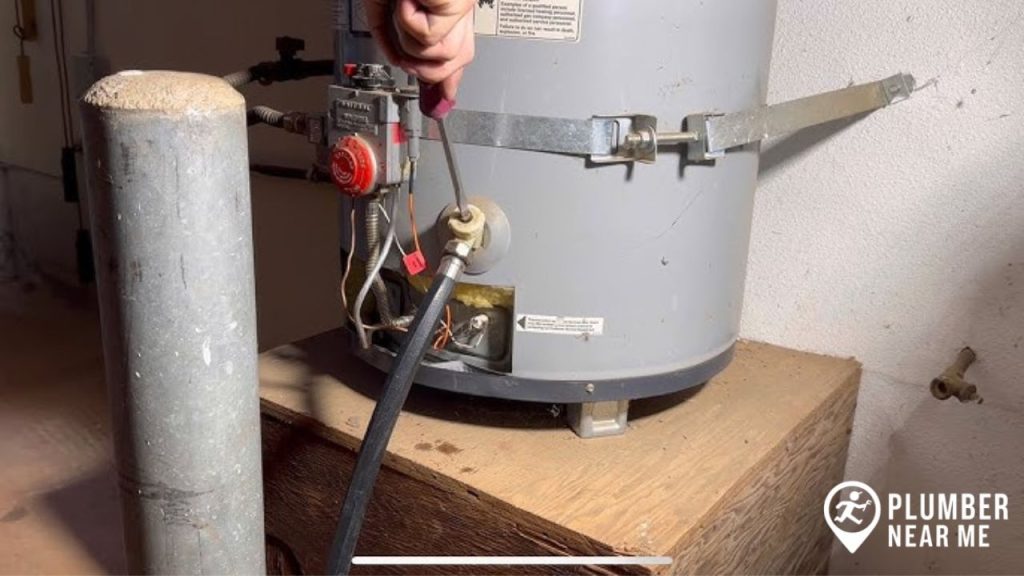
5. Check and Replace the Anode Rod
- The anode rod should be checked every 2–3 years. If it’s less than ½ inch thick or coated in calcium, replace it to prevent tank corrosion.
6. Inspect Heating Elements
- If you’re not getting enough hot water, test the heating elements with a multimeter. Replace faulty ones using a socket wrench designed for water heater elements.
Troubleshooting Common Problems
Even with proper maintenance, issues can arise. Here’s how to handle the most common ones:
- No Hot Water: Check the circuit breaker, thermostat, and heating elements.
- Not Enough Hot Water: Could be sediment buildup or a failed lower heating element.
- Rusty/Smelly Water: Replace the anode rod or flush the tank with a cleaning solution.
- High Energy Bills: Insulate your tank and pipes, or lower the thermostat setting.
Tips for Improving Efficiency
Maintaining an old electric water heater also means making it more energy efficient:
- Insulate the Tank & Pipes: Prevent heat loss.
- Install Low-Flow Fixtures: Reduce hot water usage.
- Lower the Thermostat to 120°F: Save money without sacrificing comfort.
- Schedule Regular Maintenance: At least once a year, perform a full check.
When to Replace Your Old Electric Water Heater
Even the best maintenance can’t keep a water heater running forever. If your unit is over 12–15 years old, leaks frequently, or repairs cost more than half the price of a new unit, it’s probably time for a replacement.
FAQs
What are the main components of an old electric water heater?
An old electric water heater includes a steel tank, dip tube, heating elements, thermostat, anode rod, pressure relief valve, and hot water outlet.
How often should I maintain my electric water heater?
You should perform basic maintenance, such as flushing the tank and checking the anode rod, at least once a year to keep your water heater efficient.
How do I know if my old electric water heater needs replacement?
If your water heater is over 12–15 years old, leaks often, or requires costly repairs, it may be time to replace it with a modern, efficient model.
Can I extend the lifespan of my old electric water heater?
Yes. Regular flushing, checking the thermostat, replacing the anode rod, and inspecting heating elements can add years of use to your old water heater.
What’s the best temperature setting for an electric water heater?
The ideal setting is around 120–125°F. This prevents scalding, saves energy, and reduces wear on your water heater.
Final Thoughts
Knowing how to maintain an electric water heater—especially an older one—can save you money and extend the life of your system. By checking the components of a hot water heater regularly and performing simple tasks like flushing the tank and inspecting the anode rod, you’ll avoid costly repairs and keep hot water flowing in your home.
For more tips and plumbing solutions, visit Plumber Near Me to connect with trusted professionals.