Visit Plumber Near Me for professional plumbing help when DIY solutions aren’t enough.
A smoothly running kitchen is essential for any household, but plumbing issues can bring your daily routine to a halt. From leaky faucets to clogged drains, kitchen plumbing problems are common but often preventable. With some plumbing troubleshooting skills, the right tools, and a little patience, you can handle many kitchen plumbing repairs on your own before calling in a professional. You May Also Like: Dripping Faucet.
Essential Tools for Kitchen Plumbing Repairs
Before tackling any kitchen sink problems, gather these basic tools to make the process easier:
- Adjustable wrench
- Plunger
- Plumber’s snake (auger)
- Screwdrivers (flathead and Phillips)
- Flashlight
- Plumber’s tape
- Replacement O-rings, washers, and cartridges
Having these items ready will save time and help ensure a smoother repair process.
Troubleshooting a Leaky Faucet
One of the most common kitchen plumbing repair tasks is fixing a dripping or leaky faucet. Even a small drip can waste gallons of water over time and increase your water bill.
How to Identify the Source
- Spout drips often point to a worn cartridge or washer.
- Leaks around the base usually mean the O-ring has deteriorated.
DIY Repair Steps
- Shut off the water supply.
- Disassemble the faucet handle with a screwdriver.
- Inspect and replace damaged washers, O-rings, or cartridges.
- Reassemble the faucet and test for leaks.
👉 If repairs don’t work, replacing the entire faucet may be more cost-effective.
Clearing Garbage Disposal Clogs
A clogged garbage disposal is another kitchen sink problem homeowners frequently encounter.
Safe Ways to Clear Blockages
- Turn off power at the breaker before starting.
- Use pliers or tongs to remove food debris (never use your hands).
- Try a mixture of baking soda and vinegar to loosen buildup.
- Flush with hot water after cleaning.
Foods to Avoid Putting in Your Disposal
- Coffee grounds
- Bones
- Fibrous vegetables (celery, corn husks)
- Grease or oil
Regularly grinding ice cubes and citrus peels can help keep your disposal clean and odor-free.
Fixing Low or Sputtering Water Flow
Uneven water flow from your kitchen faucet often points to mineral buildup or faulty parts.
Cleaning the Aerator
- Unscrew the aerator from the faucet tip.
- Soak it in vinegar to remove deposits.
- Scrub gently with a brush and reinstall.
Replacing the Cartridge
If cleaning doesn’t solve the issue, the faucet cartridge may need replacement. Always bring the old cartridge to the hardware store to ensure you get the correct part.
Dealing With Slow-Draining Kitchen Sinks
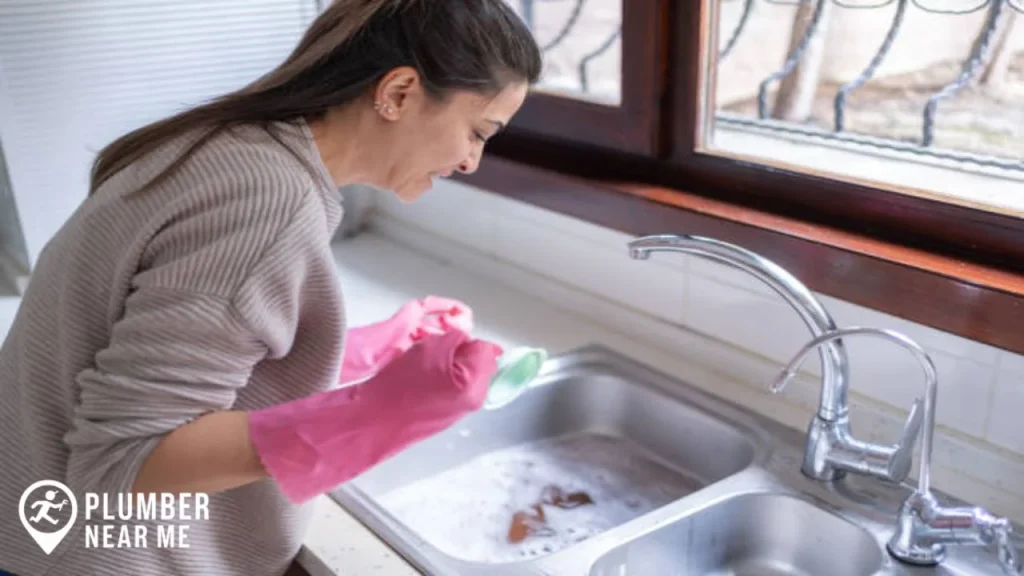
Clogged drains are a frequent reason for kitchen plumbing repairs.
Eco-Friendly Remedies
- Pour boiling water to dissolve grease.
- Use baking soda and vinegar for minor clogs.
- Create a DIY drain snake with a wire hanger.
Using a Plunger or Snake
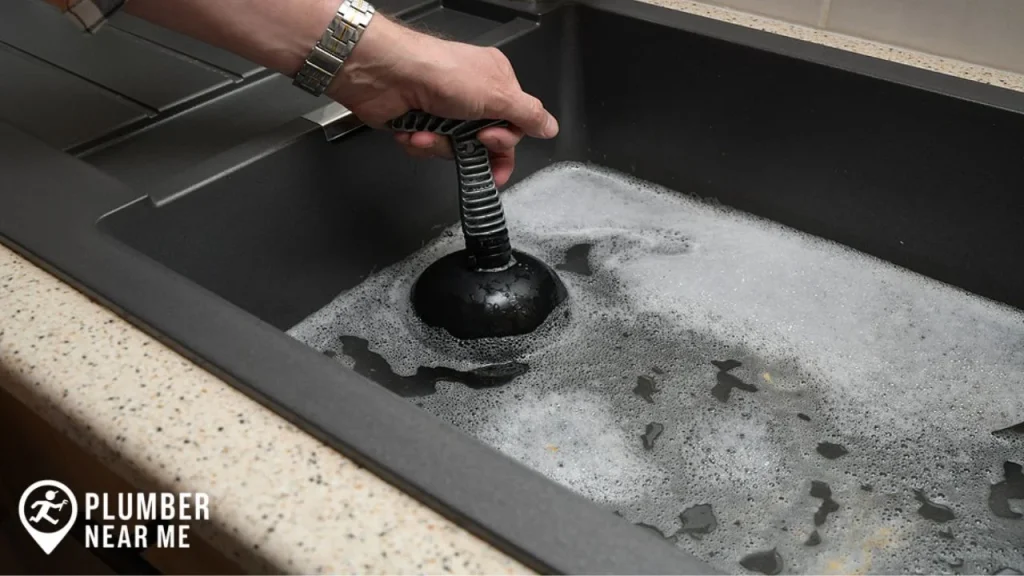
- A plunger works well for shallow clogs.
- For deeper blockages, use a plumber’s snake to break up debris inside the pipes.
If clogs keep coming back, it’s time for professional plumbing troubleshooting.
When to Call a Professional
DIY plumbing troubleshooting can solve many issues, but call a licensed plumber if you notice:
- Persistent leaks despite repairs
- Multiple clogged drains in your home
- Foul odors from the kitchen sink
- Water pressure issues throughout your house
- Rising water bills with no clear cause
✅ Frequently Asked Questions (FAQs)
What is the most common kitchen plumbing repair?
The most common repair is fixing a leaky faucet, often caused by worn washers, O-rings, or cartridges.
How can I unclog my kitchen sink naturally?
You can pour boiling water or use a baking soda and vinegar mix, followed by hot water, to clear minor clogs.
Why does my kitchen faucet have low water pressure?
Low pressure may be due to a clogged aerator, faulty cartridge, or air in the water lines.
When should I call a plumber for kitchen plumbing problems?
If leaks persist, clogs keep returning, or you have multiple plumbing issues across your home, it’s best to call a professional.
How can I prevent kitchen sink problems?
Avoid putting grease, coffee grounds, and fibrous vegetables down the drain. Regular cleaning and maintenance help too.
Final Thoughts
Kitchen plumbing repair doesn’t have to be overwhelming. With some basic knowledge of plumbing troubleshooting, you can handle minor issues like leaky faucets, garbage disposal jams, and clogged sinks. However, when problems get more complex, it’s always wise to contact a trusted plumber.
For reliable kitchen plumbing repairs and expert service, visit Plumber Near Me.