Using Plumber’s Tape (Teflon Tape or PTFE Tape): A Step-by-Step Guide to Achieve a Watertight Seal
Introduction
When it comes to DIY plumbing repairs or professional installations, ensuring a water-tight seal on threaded connections is paramount. One of the most effective and affordable solutions is plumber’s tape, also known as Teflon tape or PTFE tape. This versatile tape helps prevent leaks, secures fittings, and enhances the longevity of your plumbing system. In this comprehensive guide, we’ll walk you through how to thread plumber’s tape effectively, covering everything you need to know for a successful sealing job. You May Also like: steps to find emergency plumber in blythe quickly.
What is Plumber’s Tape?
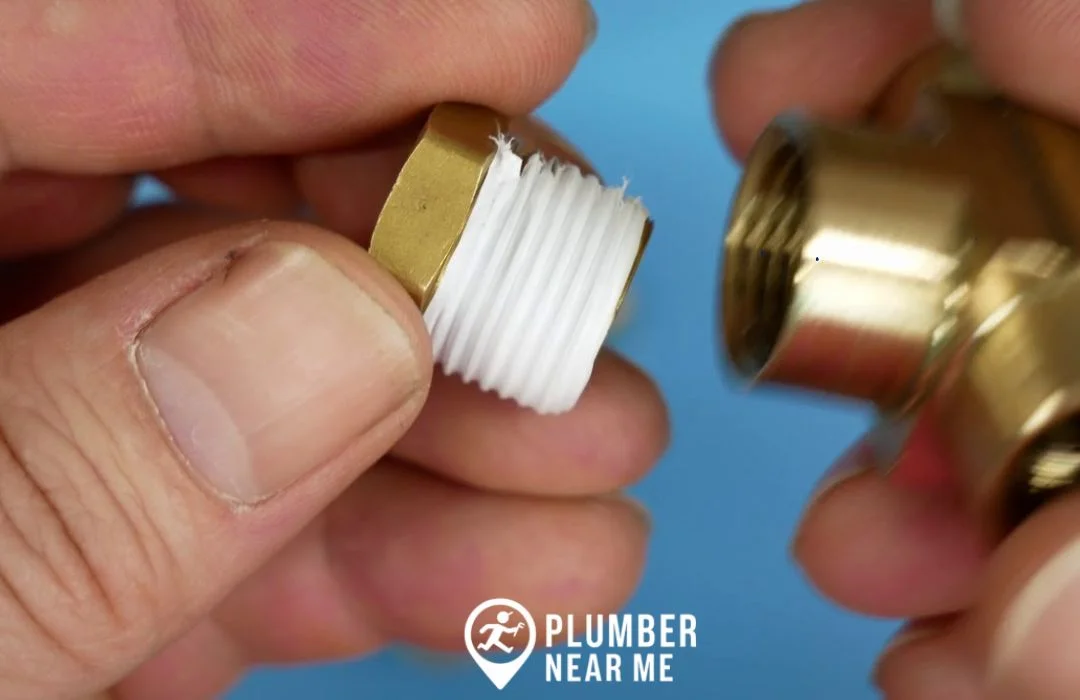
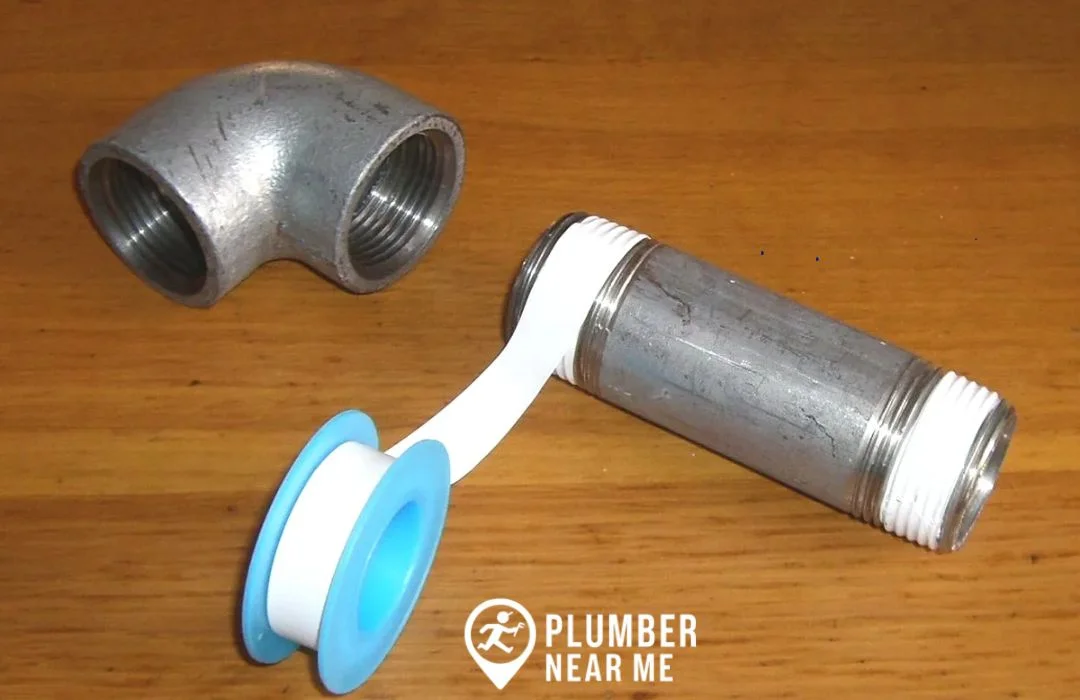
Plumber’s tape (or Teflon tape / PTFE tape) is a thin, flexible, non-toxic tape made primarily from polytetrafluoroethylene (PTFE). Its main purpose is to seal threaded pipe connections and prevent leaks caused by compressible gaps or imperfect threads.
Key features of plumber’s tape include:
-
- Flexibility to conform to threaded surfaces
-
- Chemical inertness for compatibility with water and gas
-
- High temperature resistance
-
- Ease of application
Benefits of Using Plumber’s Tape
-
- Prevents leaks around threaded pipe joints
-
- Eases assembly and disassembly of pipes
-
- Reduces the need for sealant compounds or pipe dope
-
- Cost-effective and easy to find
-
- Increases connection longevity and reliability
Necessary Tools and Materials
Before you start, gather the following:
-
- Plumber’s tape (or Teflon/PTFE tape)
-
- Pipe wrench or adjustable wrench
-
- Clean cloth or rag
-
- Pipe fittings, connectors, or threaded pipes
-
- Thread sealing compound (optional for additional sealing)
How to Apply Plumber’s Tape Effectively: Step-by-Step
Proper application of plumber’s tape is crucial for achieving an effective seal. Follow these detailed steps:
1. Prepare the Threads
-
- Clean the threads with a rag or brush to remove any debris, dirt, or old sealant.
-
- Ensure threads are dry; moisture can interfere with tape adherence.
2. Determine the Correct Length of Tape
-
- Wrap the tape around the male threads — the part of the fitting that screws into the female fitting.
-
- Cover approximately 2-3 complete turns of the tape around the threads for a solid seal.
3. Position the Tape Properly
-
-
Hold the end of the tape against the first thread.
-
-
-
Wrap in the direction of the threads’ rotation — typically clockwise when facing the fitting.
Tip: Wrapping clockwise ensures the tape remains on the threads during tightening.
-
4. Wrap the Tape Around the Threads
-
-
Spin the tape evenly around the threads, tensioning it slightly to ensure good adhesion.
-
-
-
Overlap the tape slightly with each turn for full coverage.
Note: For gas lines or high-pressure applications, consider applying two layers of tape for added security.
-
5. Finish and Trim Excess
-
- Once you’ve covered the threads adequately, tear or cut the tape.
-
- Press the end of the tape into the threads, ensuring it stays in place.
6. Screw in the Fitting
-
- Carefully screw the male fitting into the female threads by hand, turning clockwise.
-
- Use a wrench for tightening to appropriate torque, but avoid over-tightening as it might damage the threads or the tape.
7. Test for Leaks
-
- Once assembled, turn on water or gas supply gradually.
-
- Check for leaks at the connection point.
-
- If a leak persists, tighten slightly or reapply tape as necessary.
Tips for the Best Results
-
- Avoid over wrapping: Too many layers of tape can deform the threads and cause leaks.
-
- Use appropriate tape for the application: For gas lines, ensure you’re using gas-rated PTFE tape.
-
- Wrap in the correct direction: Always wrap clockwise to match the turning of the fitting.
-
- Make sure threads are clean and dry before application.
-
- Consider applying a small amount of thread sealant if leak issues persist.
Common Mistakes to Avoid
-
- Wrapping tape in the wrong direction — this can cause the tape to unwind during tightening.
-
- Over-wrapping — excess tape can clog the pipe or create uneven seals.
-
- Skipping cleaning the threads — dirt or old sealant can impair tape adhesion.
-
- Over-tightening fittings — this can damage threads and displace the tape, leading to leaks.
-
- Using tape on damaged threads — ensure threads are intact and not stripped or damaged.
When to Call a Professional
While applying plumber’s tape is straightforward, some situations demand professional expertise, especially for gas lines, main sewer connections, or complex plumbing systems. If you encounter persistent leaks even after proper application, consider contacting a licensed plumber.
If you’re looking for a trusted professional, you may find a plumber near me to assist with plumbing repairs or installations.
Conclusion
Mastering the correct application of plumber’s tape is a valuable skill that can help prevent leaks, save money, and ensure the integrity of your plumbing system. Remember to prepare the threads properly, wrap in the correct direction, and avoid common mistakes to achieve the best results. Whether you’re a DIY enthusiast or a professional, using PTFE tape effectively will improve the reliability and durability of your pipe connections.
FAQs
Q1: When should I use plumber’s tape instead of pipe dope?
A: Plumber’s tape is ideal for most threaded connections due to its ease of use and cleanliness. Pipe dope might be preferred in high-pressure or gas applications, but for standard water fittings, tape works effectively.
Q2: Can I use plumber’s tape on plastic threads?
A: Yes, PTFE tape is suitable for plastic threads as it provides a seal without damaging the material. However, always verify compatibility with the specific plastic.
Q3: How many layers of tape should I apply?
A: Generally, 2-3 layers are sufficient for most applications. For gas lines or high-pressure systems, consider adding an extra layer.
Q4: Is plumber’s tape reusable?
A: Typically, once applied and disassembled, the tape isn’t reusable. It’s best to use fresh tape when reassembling fittings.
Q5: Can I use plumber’s tape on gas lines?
A: Yes, but ensure to use gas-rated PTFE tape specifically designed for gas applications, which adheres to safety standards.
For reliable and professional plumbing services, including leak repair, water heater repair, or sewer repair, consider contacting a licensed plumber. You can search for a plumber in my area to find expert assistance nearby.
Remember: Proper application of plumber’s tape not only prevents leaks but also extends the lifespan of your plumbing system. With these steps and tips, you’re well-equipped to tackle your plumbing projects confidently!
Call Now for More Information
Using plumber’s tape—also known as Teflon tape—is one of the simplest yet most effective ways to create a watertight seal on threaded connections. Just wrap the tape clockwise around the threads a few times before tightening the fitting, and you’ll minimize the risk of leaks. If you’re unsure or dealing with stubborn plumbing issues, don’t hesitate to reach out to a licensed plumber. Call now for expert assistance and get your plumbing system sealed and secured properly.