What Every Homeowner Needs to Know About Indoor Flooding and How to Stop It Fast
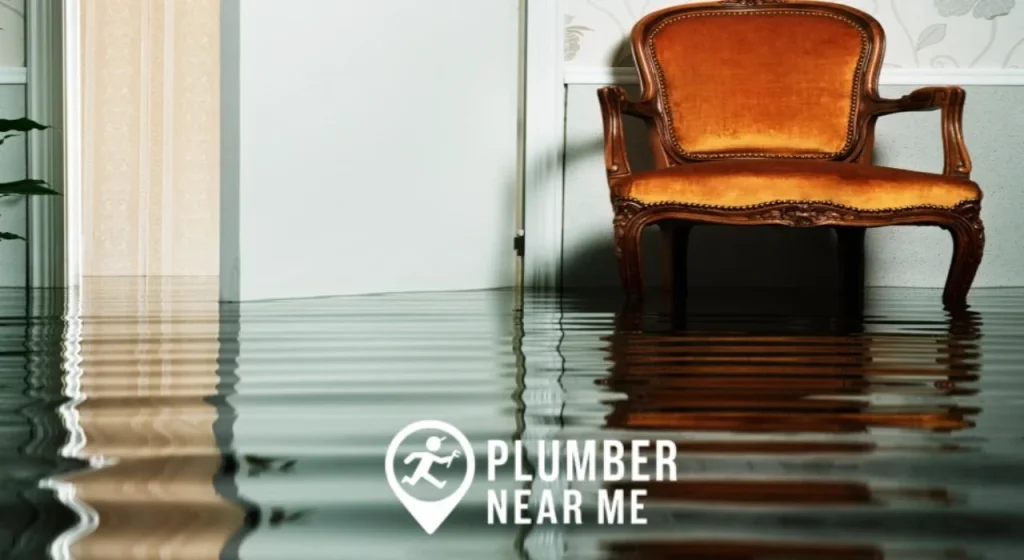
Indoor Flood Emergency is more than just an inconvenience—it can lead to serious, expensive damage within minutes. Whether it’s a broken pipe, a busted appliance, or sudden heavy rain, water doesn’t wait. That’s why acting fast is essential—and having a trusted Plumber Near Me on standby could be your biggest advantage. This comprehensive guide will help you react effectively, reduce damage, and make the right calls before things spiral out of control. You May Also Like: Sink valve replacement guide.

Why Is My House Flooding? Common Indoor Flood Causes
Understanding what causes flooding helps you prepare for (and prevent) future disasters:
1. Frozen or Burst Pipes
In freezing weather, water in your pipes can expand and burst the lines wide open. Insulating pipes, especially in unheated areas, is your first defense.
2. Appliance Failures
Dishwashers, water heaters, or washing machines can develop leaks or hose failures. These issues often go unnoticed until it’s too late. Inspect hoses regularly and upgrade to reinforced ones when possible.
3. Plumbing Fixture Leaks
Sinks, toilets, and bathtubs can drip silently for months before causing major damage. Regular inspections of under-sink areas and around the base of toilets can help catch these early.
4. Roof and Gutter Issues
Heavy rain combined with clogged gutters can send water straight into your basement. Keeping your drainage system clean is essential for flood prevention.
5. Groundwater Seepage
A high water table or poorly sealed foundation can allow water into your home after storms. French drains or foundation sealing may be necessary.
Know Where Your Water Shut-Off Valves Are
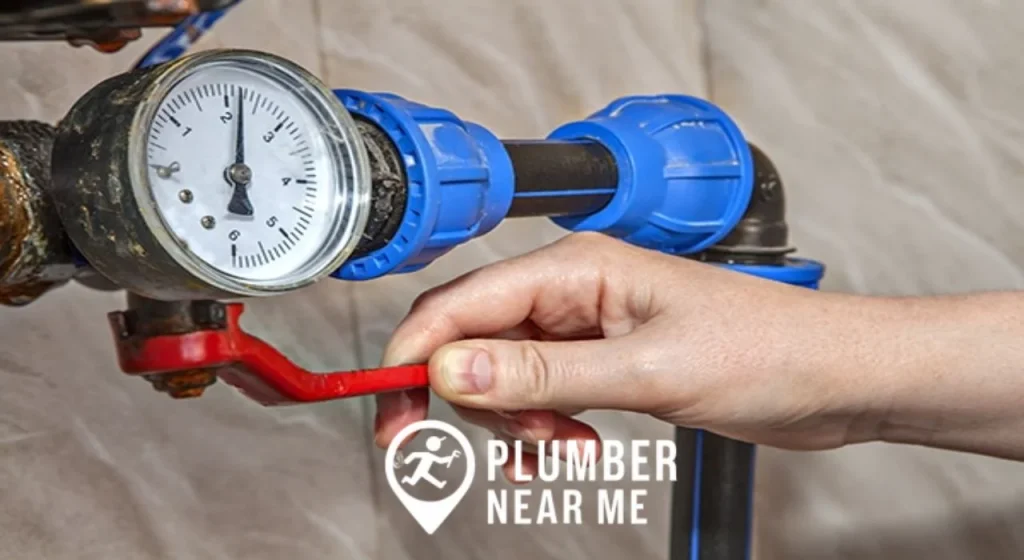
When water is pouring into your home, seconds count. The faster you shut off the source, the less damage you’ll deal with.
- Main Water Shut-Off Valve: Usually located where the main line enters your house or near your water meter.
- Hot Water Valve: Found on top of your water heater; helps isolate hot water leaks.
- Appliance Shut-Offs: Check under sinks, behind toilets, and near your laundry machine for individual shut-offs.
Practice turning these off before an Indoor Flood Emergency hits—you don’t want to be hunting for them during a flood.
How to Handle the Most Common Flooding Situations
Every flood is different. Use these response tips for common home flooding scenarios:
Burst Pipe
- Shut off the main water valve.
- Open faucets to drain remaining water.
- Patch with waterproof tape or clamps until a plumber arrives.
Leaking Roof
- Catch water with buckets or containers.
- Cover the area with a tarp.
- Contact a roofer as soon as possible.
Overflowing Gutters
- Remove debris blocking water flow.
- Extend downspouts away from the home.
- Schedule seasonal cleanings to avoid recurring issues.
Sump Pump Failure
- Check power source or reset the unit.
- Manually bail out water with a wet/dry vacuum.
- Install a battery backup system to avoid future outages.
Water Heater Leak
- Turn off water to the heater.
- Drain it carefully.
- Call a licensed plumber for inspection and repair.
Sewer Backup
- Stop using any water fixtures immediately.
- Call an Indoor Flood Emergency plumber.
- Sanitize the area thoroughly—sewage can be hazardous.
Tools That Make Indoor Flood Cleanup Easier
Having the right gear nearby can help you respond faster:
- Smart Leak Detectors: Detect water and alert your phone—some even auto-shut off the main valve.
- Plumbing Indoor Flood Emergency Kit: Keep waterproof tape, rubber gloves, flashlights, and plumber’s putty in a ready-to-go bag.
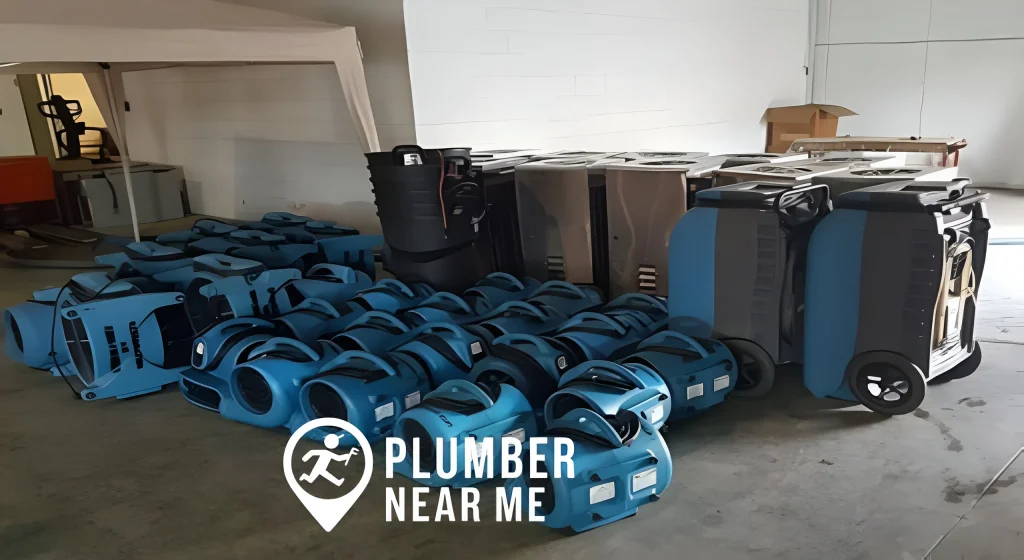
- Cleanup Essentials: Use a wet/dry vacuum, industrial fans, and a dehumidifier to prevent mold.
How to Prevent Indoor Floods Before They Start
Proactive maintenance can save you thousands:
- Inspect Pipes & Fixtures: Fix minor leaks early and watch for corrosion or water stains.
- Upgrade Materials: Replace PVC or rubber hoses with braided stainless steel. Swap outdated plumbing with copper or PEX.
- Improve Drainage: Clean gutters, install French drains, and seal any foundation cracks.
- Smart Sensors: Install flood alarms in basements, under sinks, or near water heaters.
Emergency Response: What to Do If You’re Flooded
If you’re in the middle of an active flood:
- Shut off the water supply and electricity to the affected area.
- Use buckets or a wet vac to remove standing water.
- Open windows and turn on fans to ventilate.
- Pull up wet carpets or furniture to avoid mold growth.
- Disinfect surfaces and monitor for future issues.
- If things feel beyond your control, contact a 24 hr plumber near me immediately.
When to Call a Professional Plumber
Some situations require expert intervention:
- Floodwater has reached outlets or wiring.
- Water has sat for more than 24 hours.
- There’s visible mold or a strong musty odor.
- You’re unsure where the leak is coming from.
- You’ve had repeat flooding issues in the past.
Don’t wait for things to get worse—call in a professional who can assess and repair damage safely.
Extra Tips Most Homeowners Forget
- Take photos for insurance claims.
- Save receipts for anything flood-related (equipment, cleanup, services).
- Use flood-rated light bulbs in basements (like Philips BR30 65W).
- Install leak detectors that send mobile alerts.
- Consider flood insurance if you live in a high-risk zone.
FAQs – What to Do During Indoor Flooding
Q: What’s the first thing I should do during a flood?
A: Shut off your main water supply and electricity to any affected area.
Q: How can I tell if a pipe is about to burst?
A: Look for frost, bulging, or unusual noise—especially in freezing weather.
Q: Can I fix a pipe burst on my own?
A: Temporarily, yes. Use waterproof tape, but call a licensed plumber for a permanent solution.
Q: Are special lights needed during a flood?
A: Yes. Use flood-rated indoor bulbs designed for moisture-heavy environments.
Q: How can I find a reliable plumber fast?
A: Visit frozen pipe plumber near me to get expert help quickly.
Final Thoughts
Indoor Flood Emergency is stressful—but knowing what to do and having the right tools (and contacts) can make it manageable. Learn your home’s plumbing, invest in preventive tech, and act quickly when water starts flowing. And most importantly, don’t hesitate to contact a professional when things go beyond DIY. At brothers plumbing near me, we’re here to help you protect what matters most—your home, your family, and your peace of mind.