“When to Use Pipe Dope Instead of Plumber’s Tape”
Understanding Plumber’s Tape. The Essential Guide for Effective Sealing. Plumber’s tape, commonly known as PTFE tape or Teflon tape, is a vital tool in any plumbing toolkit. Its primary purpose is to seal pipe threads and prevent leaks, ensuring your plumbing system remains tight and efficient. Whether you’re a DIY enthusiast or a professional plumber, understanding how to properly use plumber’s tape can save you time, money, and headaches. You May Also Like: How Plumbers Fix Leaks Using Different Methods.
What Is Plumber’s Tape?
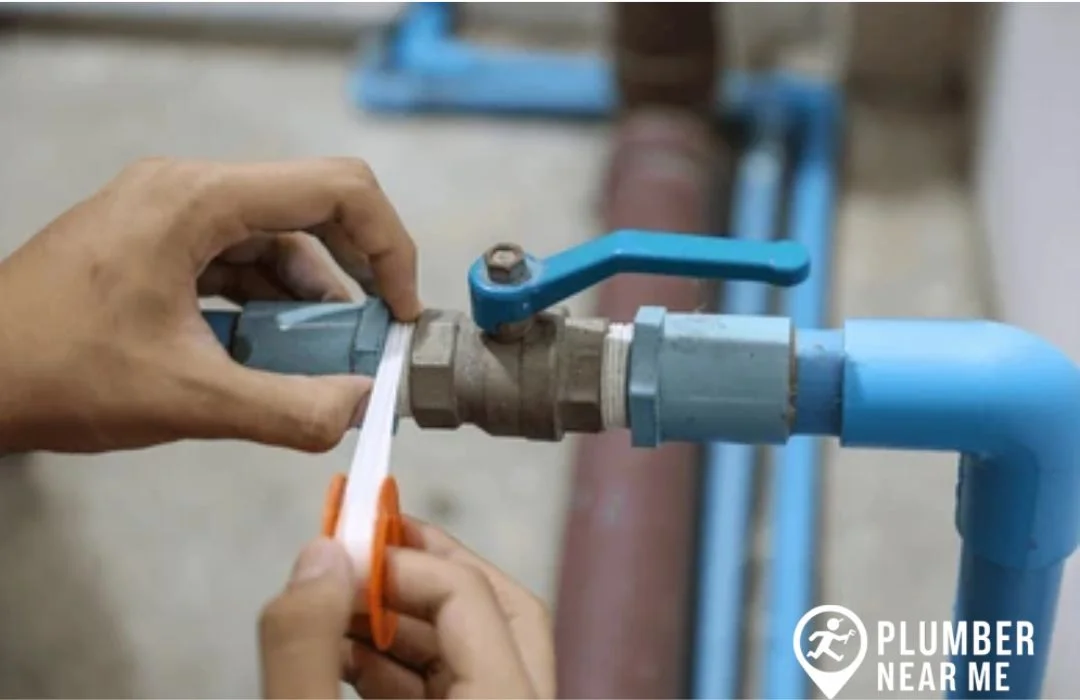
Plumber’s tape is a thin, flexible strip made of polytetrafluoroethylene (PTFE), a synthetic fluoropolymer of tetrafluoroethylene. Teflon is a popular brand name for PTFE, which is resistant to heat, chemicals, and corrosion. Its unique properties make it ideal for sealing threaded pipe connections.
Key Features of Plumber’s Tape:
-
- Flexible and easy to wrap
-
- Non-reactive and chemically inert
-
- Resistant to high temperatures and pressures
-
- Reusable and long-lasting
Common Uses Include:
-
- Sealing water supply lines
-
- Preventing gas leaks
-
- Repairing industrial piping systems
-
- General DIY plumbing projects
Types of Plumber’s Tape
While PTFE tape is the most common, there are various types tailored to specific needs:
-
- Standard White Teflon Tape: Suitable for water and general plumbing applications.
-
- Yellow Gas Tape: Specifically designed for gas line sealing; it is thicker and more robust.
-
- Pink or Green Teflon Tape: Often used in heavy-duty industrial applications or high-pressure systems.
-
- Pipe Joint Compound (Pipe Dope): An alternative or complement to PTFE tape in some cases, often used for larger or more complex fittings.
How to Use Plumber’s Tape Properly
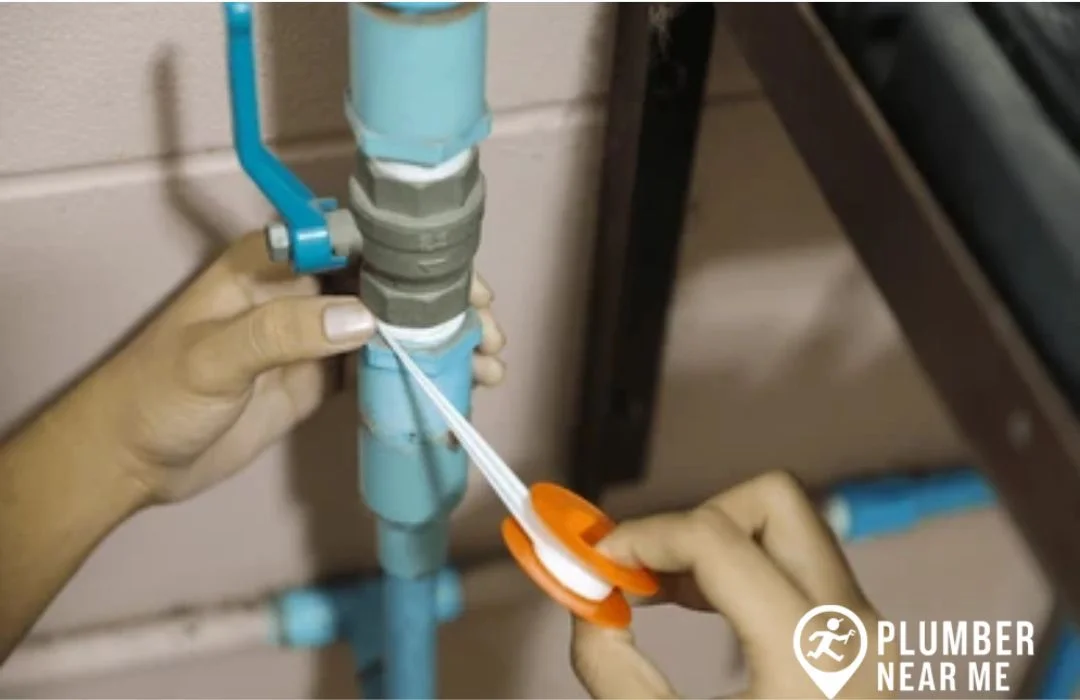
Using PTFE tape correctly is crucial to ensure it effectively seals pipe threads and prevents leaks. Here’s a step-by-step guide:
Step 1: Prepare the Threaded Fitting
-
- Ensure threads are clean and dry.
-
- Remove any old tape, debris, or corrosion.
Step 2: Select the Correct Tape
-
- Use white PTFE tape for water lines.
-
- Choose yellow tape for gas lines, following local regulations.
Step 3: Wrap the Tape Correctly
-
- Wrap in the direction of the thread’s turn (typically clockwise when facing the fitting).
-
- Overlap each turn by about 50% for a secure seal.
-
- Wrap 2 to 3 layers; avoid over-application, which can cause difficulty installing fittings.
Step 4: Finish and Check
-
- Trim excess tape if necessary.
-
- Hand-tighten the fitting, then use a wrench to securely tighten.
-
- Test the connection for leaks by turning on the water or gas.
Tips for Effective Application
1. Wrap in the Right Direction:
Wrapping in the correct direction ensures the tape does not unravel when tightening the fitting.
2. Use the Right Number of Layers:
Too many layers can hinder threading. Typically, 2-3 wraps are sufficient.
3. Don’t Overlap Excess Tape:
Excess tape can get into the pipe or cause thread blocking, leading to issues.
4. Avoid Taping Over Damaged Threads:
Damaged or corroded threads may need repair or replacement before sealing.
5. Use Proper Tools:
Use a wrench to ensure a firm, secure connection without over-tightening, which could damage the tape or threads.
When Not to Use Plumber’s Tape
While plumber’s tape is versatile, it’s not suitable for:
-
- Pressurized or high-temperature steam lines
-
- Core or compression fittings
-
- Plastic fittings that require a different sealing method
-
- Gasketed connections where sealants or rubber gaskets are indicated
In such situations, consider alternative sealing techniques like pipe dope or gaskets.
Benefits of Using Plumber’s Tape
-
-
Prevents Leaks
Effective sealing of threaded joints minimizes water or gas leaks.
-
-
-
Easy to Use
Simple application method suitable for both professionals and DIYers.
-
-
-
Cost-Effective
An affordable solution compared to replacing pipes or fittings.
-
-
-
Protects Against Corrosion
Acts as a barrier, preventing corrosion at thread interfaces.
-
-
-
Reusable
Can be used multiple times if handled properly.
-
Common Mistakes to Avoid
-
- Applying too much tape – Can cause difficulties in threading.
-
- Wrapping in the wrong direction – Leads to unraveling.
-
- Using on incompatible fittings – Might not provide the desired seal.
-
- Taping over damaged threads – Will not seal effectively.
Proper technique saves time and ensures long-term leak prevention.
Conclusion
Plumber’s tape (PTFE or Teflon tape) is an indispensable element of effective plumbing. Proper application not only ensures sealed and leak-free joints but also prolongs the life of your plumbing system. Whether working on residential plumbing, industrial piping, or gas lines, understanding how to use plumber’s tape correctly is crucial.
If you encounter plumbing issues beyond simple DIY fixes, don’t hesitate to seek professional assistance. You can find a plumber near me who offers reliable plumbing services near me — from leak repair to water heater repair — ensuring your plumbing needs are dealt with promptly and efficiently.
FAQs About Plumber’s Tape
Q1: Can I use PTFE tape for gas lines?
A: Yes, but only yellow gas-rated PTFE tape that meets local safety standards. Always verify compatibility before use.
Q2: How many layers of tape should I apply?
A: Usually 2-3 wraps are sufficient. Excessive layering can hinder proper fitting.
Q3: Is PTFE tape suitable for plastic fittings?
A: It can be used on some plastic fittings but consult manufacturer guidelines. For some plastic connections, pipe dope may be more appropriate.
Q4: Can I reuse PTFE tape?
A: Reuse is possible if the tape is intact and clean, but for best results, use fresh tape for critical connections.
Q5: How long does PTFE tape last?
A: When stored properly, PTFE tape can last several years. Its effectiveness remains stable unless exposed to extreme conditions or physical damage.
Remember, if you’re unsure about your plumbing repair or installation, it’s always best to consult a licensed plumber near me. Professional plumbers possess the expertise and tools to ensure your plumbing system remains efficient and leak-free. For comprehensive plumbing services near me, visit Plumber Near Me.
Call Now for More Information
Plumber’s tape, also known as Teflon tape or thread seal tape, is a simple but highly effective tool for preventing leaks in threaded pipe connections. When applied correctly, it creates a watertight seal that ensures your fittings stay tight and secure. Whether you’re working on faucets, showerheads, or pipe joints, proper use of plumber’s tape can save you from costly leaks and water damage.
To use plumber’s tape effectively, start by cleaning the threads of the pipe to remove any dirt or old sealant. Wrap the tape clockwise around the threads, overlapping slightly with each pass to build a secure layer. Avoid using too much tape, as it can make the connection difficult to tighten. A properly wrapped pipe will thread smoothly and seal tightly, preventing leaks.
Although applying plumber’s tape is an easy DIY step, persistent leaks may point to deeper plumbing issues. In such cases, professional help is the safest option to avoid long-term damage. Don’t let small leaks turn into major problems—call now for more information and schedule expert plumbing services today!