“Common Mistakes to Avoid When Using Plumbing Tape”
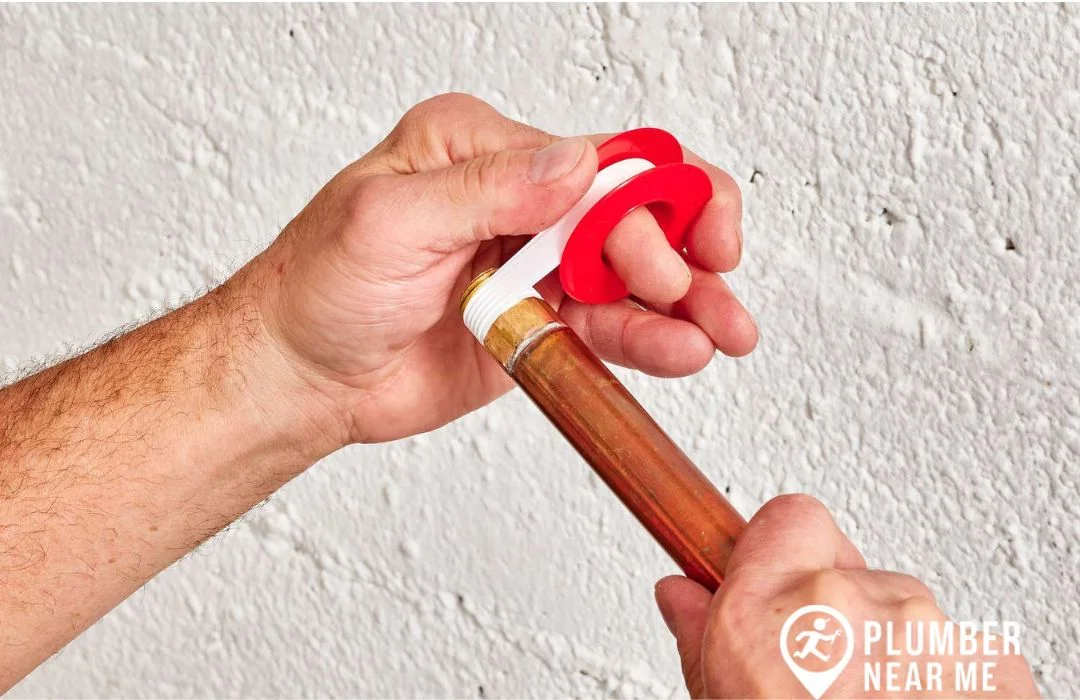
Applying Plumber’s Tape (Teflon tape or PTFE tape): A Step-by-Step Guide. Understanding Plumber’s Tape Plumber’s tape, also known as Teflon tape or PTFE tape, is an essential material used in plumbing to create a watertight seal on pipe threads. Made from polytetrafluoroethylene, this tape is flexible, durable, and designed to prevent leaks caused by loose or improperly sealed fittings. Whether you’re a beginner doing DIY repairs or a professional plumber, knowing the correct method to apply plumber’s tape is crucial for ensuring the longevity and reliability of your plumbing connections. You May Also Like: Using Plumber’s Tape on Gas Fittings Requires Proper Ratings.
Why Use Plumber’s Tape?
-
- Prevents Leaks: Seals the threads against water or gas leaks effectively.
-
- Reduces Friction: Eases the fastening of threaded fittings.
-
- Protects Threads: Extends the life of the fittings by preventing corrosion.
-
- Easy to Use: Simple application process suitable for both novices and experts.
What You Will Need
-
- Plumber’s tape (PTFE tape) – ensure it is clean and free of debris.
-
- Pipe fittings – threaded pipes or connectors.
-
- Wrench or pliers – for tightening fittings (if necessary).
-
- Rag or cloth – for cleaning threads before application.
Step-by-Step Instructions for Proper Application of Plumber’s Tape
1. Prepare the Fitting
-
- Before applying the tape, clean the threads thoroughly with a rag or cloth.
-
- Remove any dirt, debris, or old tape remnants to ensure a good seal.
-
- Check for any damage or cracks in the threads that might compromise sealing.
2. Choose the Correct Tape Width and Amount
-
- Standard PTFE tape is typically 1/2 inch wide, but widths can vary.
-
- Use enough tape to cover approximately 2-3 wraps around the threads.
-
- Avoid over-application, which can cause the tape to bunch up or interfere with fitting connections.
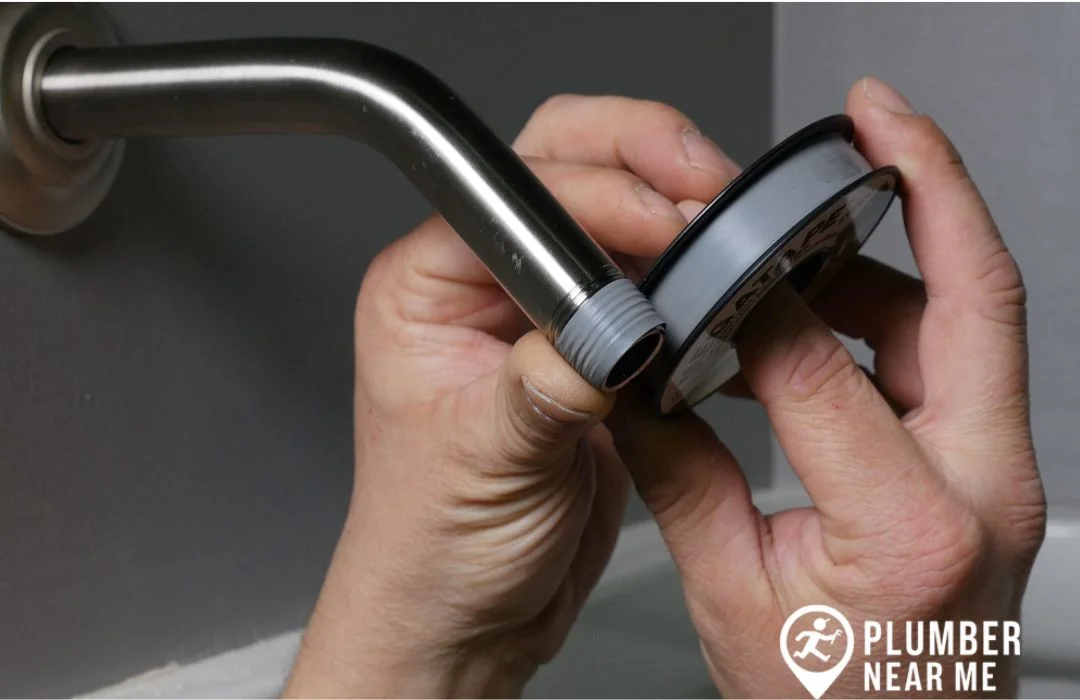
3. Wrap the Tape in the Correct Direction
-
- Wrap clockwise around the threads when you’re facing the fitting, matching the direction of tightening.
-
- This ensures that the tape remains snug as the fitting is screwed in.
-
- Most PTFE tapes are designed to be applied in a clockwise direction.
4. Apply the Tape Evenly and Tightly
-
- Hold the end of the tape firmly against the threads.
-
- Wrap in an overlapping manner, ensuring each layer covers the previous one evenly.
-
- Keep the tape taut to prevent wrinkles or gaps.
-
- Ensure the tape completely covers the threads, including the taper and crevices.
5. Finish and Trim Excess Tape
-
- Once you’ve completed 2-3 wraps, press the tape into the threads to ensure good adhesion.
-
- Use scissors or a sharp knife to trim any excess tape beyond the end of the threads.
-
- The tape should not extend beyond the threads, as excess can interfere with fitting connections.
6. Screw the Fitting into Place
-
- Carefully thread the fitting onto the pipe or connector, turning clockwise.
-
- Use a wrench or pliers if necessary, but avoid over-tightening, which can damage the threads or the tape.
-
- Tighten until the connection feels firm but not forced.
Additional Tips for Successful Application
-
- Avoid double wrapping unless specified by manufacturer instructions.
-
- For gas connections, use gas-rated PTFE tape designed for higher pressure and gas applications.
-
- In hard-to-reach areas, consider using small strips of tape for better control.
-
- Periodically check and reapply if leaks are detected after initial installation.
Common Mistakes to Avoid
-
- Applying too much tape – causes difficulty in screwing fittings and potential leaks.
-
- Wrapping in the wrong direction – leads to tape unraveling during tightening.
-
- Using old or contaminated tape – reduces effectiveness.
-
- Over-tightening fittings – can damage threads or cause leaks due to deformation.
-
- Not cleaning threads beforehand – results in poor sealing.
When to Call a Professional
While applying plumber’s tape is a simple task, some situations require professional assistance:
-
- Persistent leaks despite proper tape application.
-
- Complex or large-scale plumbing repairs.
-
- Gas line connections and other high-pressure systems.
-
- Finding a plumber near me for expert help can ensure safety and proper sealing.
For reliable plumbing solutions, consider reaching out to professionals like plumber in my area to ensure your plumbing is correctly sealed and functioning efficiently.
Conclusion
Applying plumber’s tape correctly is an essential skill for any homeowner or DIY enthusiast involved in plumbing repairs. Proper application ensures a watertight seal that prevents leaks, reduces future repair costs, and extends the lifespan of fittings and pipes. Remember to prepare, wrap evenly, and tighten appropriately for the best results.
Mastering this simple process can save you time and money, providing peace of mind knowing your plumbing system is secure. Whether installing new fixtures or repairing leaks, applying PTFE tape properly is a fundamental step toward a reliable plumbing system.
FAQs
Q1: How many wraps of plumber’s tape should I use?
A: Typically, 2-3 wraps around the threads are sufficient. Avoid over-wrapping, which can cause fitting issues.
Q2: Can I reuse plumber’s tape?
A: It’s recommended to use fresh tape for each repair. Old or worn tape may not seal properly.
Q3: Is plumber’s tape suitable for gas lines?
A: Yes, but ensure you use gas-rated PTFE tape designed specifically for gas applications.
Q4: Do I need to apply plumber’s tape on all threaded connections?
A: It is advisable on water supply lines, gas fittings, and other threaded connections that require a seal.
Q5: How tight should fittings be after applying PTFE tape?
A: Tighten until snug—do not overtighten, as this can damage the threads and compromise the seal.
For additional plumbing needs, whether you’re searching for a local plumber or specialized plumbing services near me, qualified professionals can provide expert assistance to ensure your plumbing repair near me is handled efficiently and safely.
Call Now for More Information
Plumbing tape, often referred to as Teflon tape or thread seal tape, is a must-have for creating watertight seals on threaded pipe connections. When applied correctly, it helps prevent leaks and ensures long-lasting, secure fittings. Knowing the proper way to use plumbing tape can save you from costly water damage and unnecessary repairs.
To apply plumbing tape, start by cleaning the pipe threads to remove any dirt or old sealant. Wrap the tape clockwise around the threads, overlapping each layer slightly to create a tight seal. Be sure not to overwrap, as too much tape can cause difficulty in tightening the connection. Once wrapped, carefully thread the fitting together to create a leak-free joint.
Correct application of plumbing tape is simple but essential for effective plumbing repairs. Whether you’re working on household pipes, faucets, or fittings, using tape properly makes a big difference in preventing leaks. If you’re unsure or dealing with a larger plumbing issue, don’t take chances—call now for more information and get professional plumbing support today!