How to Drain Water Pipes for Winter: Keep Your Home Safe from Freezing
If you’re leaving your home, cabin, or camper unattended during the colder months, learning Easy Way to Drain Pipes for Winter – A Complete Guide is essential. It’s a smart way to avoid frozen or burst pipes, which can lead to expensive damage. You May Also like: how to install a tankless water heater
Follow this step-by-step winter pipe draining guide to protect your plumbing system—and for more helpful plumbing tips and services, visit Plumber Near Me.
Why Draining Pipes in Winter Is Important
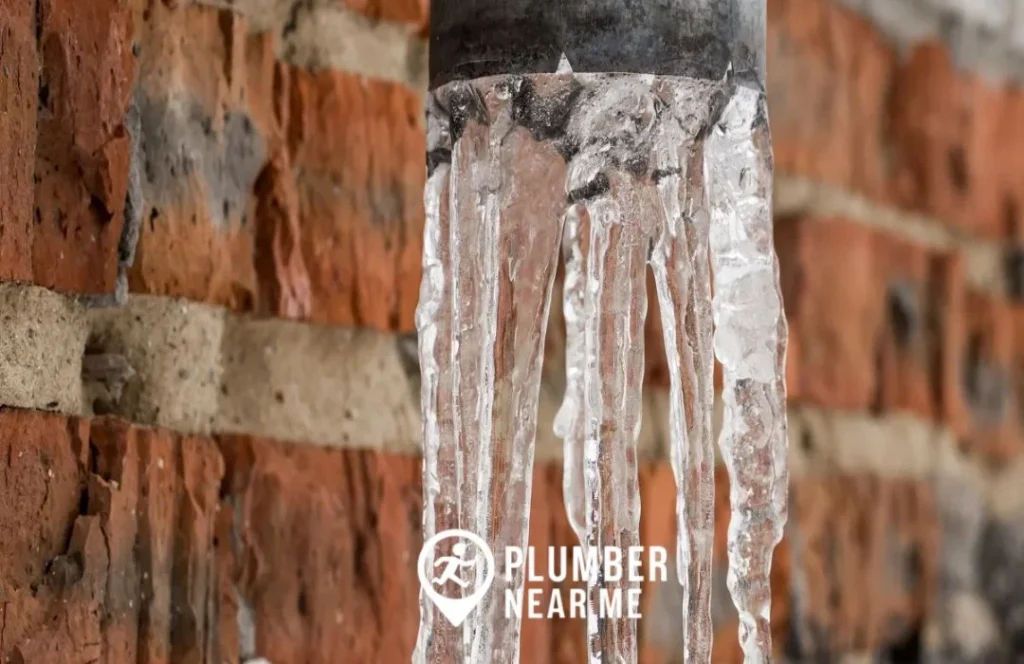
When temperatures drop, water inside your pipes can freeze and expand. This expansion can crack or burst your pipes, causing leaks, flooding, or water damage. Draining the water before winter hits is one of the best ways to protect your plumbing system—especially if you’re dealing with how to drain pipes in a cabin or vacation property.
When Pipes Are at Risk of Freezing
Your water pipes are more likely to freeze if:
- You’re away for an extended time without leaving heat on
- Pipes are in unheated spaces (like crawlspaces or basements)
- Pipes run along exterior walls with little insulation
- The outside temperature falls below 32°F (0°C)
What You’ll Need
Before you begin, gather these items:
- Bucket
- Air compressor
- Garden hose
- Adjustable wrench
- Screwdriver
- Propylene glycol (safe, non-toxic antifreeze)
Step-by-Step: How to Drain Pipes for Winter
1. Shut Off the Main Water Supply
Find the main valve near the water meter and turn it off.
2. Open All Faucets
Start at the top floor and work down, opening both hot and cold taps.
3. Flush Toilets
Flush each toilet to empty the tanks and bowls.
4. Drain the System
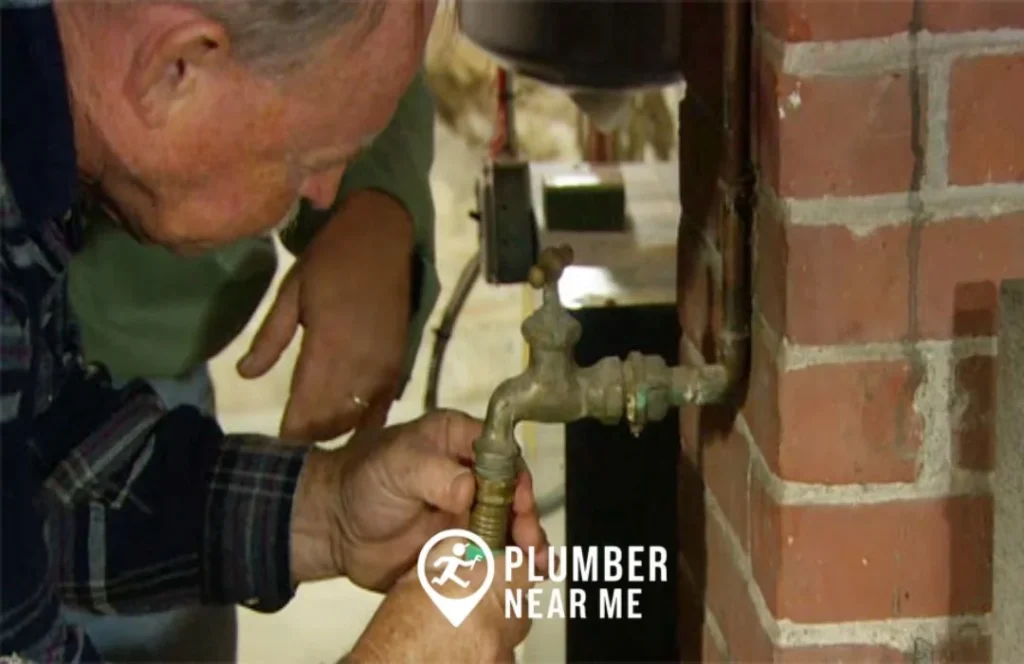
Connect a garden hose to the lowest faucet (often in the basement) and direct it outdoors or into a sump pit. Let the water drain completely.
5. Use an Air Compressor
Connect it to an open faucet and set it to around 70 PSI. Open all faucets one at a time to push out the remaining water.
6. Clear Water-Connected Appliances
- Briefly run the dishwasher and washing machine on a short cycle
- Use the compressor to push water out of water lines connected to these appliances
- Open the toilet shutoff valves and blow out those lines, too
Don’t Forget to Protect Traps and Toilets
Sink, tub, and toilet traps still hold some water. Pour propane glycol antifreeze into:
- Every sink and tub trap
- Every toilet tank and bowl
This antifreeze creates a layer that prevents freezing and pipe damage.
How to Drain Outside Water Pipes for Winter
Outdoor spigots and hoses are very exposed to the cold. To protect them:
- Shut off the interior valves that control outdoor faucets
- Open the outside faucets to drain remaining water
- Disconnect and drain all hoses
Winterizing Heating Systems (If You Have One)
Homes with hot water heating systems (boilers) need extra care:
- Locate the tankless coil
- Use compressed air to clear it
- Drain some water from the system using a hose and bucket
- Use a pump to add antifreeze into the heating system if full drainage isn’t possible
Extra Winter Plumbing Precautions
Add an extra layer of protection by:
- Installing heat tape on vulnerable pipes
- Insulating pipes in cold spaces like attics or crawlspaces
- Sealing air leaks around pipes that exit your home
- Keeping the heat on if you’re gone (even at 55°F)
- Preparing for outages by having a backup power source
Why Call a Pro?
If your plumbing system is complex—or if you’re unsure about anything—calling a professional can save time and give peace of mind. A licensed plumber ensures the job is done right. For trusted help in your area, check out PlumberNearMe.
FAQs
What is the easiest way to drain pipes for winter?
The easiest way is to shut off the main water supply, open all faucets (including outdoor spigots), and let gravity do the work. You should also flush toilets and use air compressors for stubborn spots if needed. Don’t forget to drain appliances like washing machines and dishwashers too.
Why should I drain my pipes for winter?
Water left inside pipes can freeze during cold weather. When water freezes, it expands—and that can cause your pipes to burst. Draining the pipes removes standing water, helping prevent expensive repairs and water damage.
How do I know if my pipes are completely drained?
After opening all the faucets and flushing toilets, you should hear air moving through the pipes instead of water. Also, no water should drip from open faucets. If you’re unsure, you can use an air compressor or call a plumber for help.
When should I drain my pipes for the winter?
You should drain pipes before the first hard freeze of the season. It’s best to plan ahead—once temperatures start dipping below freezing at night, you should already have this done.
Do I need special tools to drain my pipes for winter?
Most of the time, no special tools are required—just a good plan and access to your water shutoff valve. However, using an air compressor can help if you want to be extra thorough, especially for complex plumbing systems.
Can I drain pipes myself, or should I hire a plumber?
If you’re comfortable working with your plumbing and understand where all your shutoff valves and drains are, you can do it yourself. But if your system is complicated, or if you’re unsure of the steps, it’s worth hiring a professional to ensure everything is properly winterized.
What happens if I don’t drain my pipes for winter?
If you skip this step and temperatures drop below freezing, you risk having frozen pipes. Frozen pipes often burst, which can cause severe water damage and require costly emergency repairs. It’s a small effort that can save you a lot of trouble later.
Final Thoughts
Knowing Easy Way to Drain Pipes for Winter – A Complete Guide could save you thousands of dollars in repairs. Whether you’re preparing a vacation home or your full-time residence, these steps are simple, effective, and totally doable for most homeowners. Need professional help winterizing your system? Reach out to 24 hours plumbing near me for expert assistance you can count on.