“Steps to Safely Install a New Gas Dryer Connection”
How to Disconnect a Gas Dryer Safely and Effectively. Disposing, repairing, or servicing a gas dryer involves working with natural gas lines, which can pose significant safety risks if not handled correctly. While it’s highly recommended to hire a licensed plumber or qualified appliance technician to perform this task to ensure safety and compliance with local codes, some experienced DIY enthusiasts may feel comfortable doing it themselves. This guide provides step-by-step instructions on how to disconnect a gas dryer safely, along with important tips, precautions, and considerations. You May Also Like: Skilled Tradesperson Specializing in Water and Sanitation Systems.
Why Hire a Professional?
Before diving into the disconnection process, it’s essential to understand why hiring a professional is advised:
-
- Safety Concerns: Gas leaks can cause explosions, fires, or health hazards.
-
- Regulatory Compliance: Local building codes often require licensed professionals for gas lines work.
-
- Proper Handling: Professionals have the tools and expertise to disconnect safely and efficiently.
-
- Insurance & Liability: DIY work might void warranties or insurance coverage in case of accidents.
If you decide to proceed yourself, ensure you are confident in your skills and that your local regulations permit DIY disconnections. For urgent or complex tasks, always contact a trusted plumber near me or specialist.
Tools and Materials Needed
Gather these tools and materials before starting:
-
- Adjustable wrench or gas wrench
-
- Channel lock pliers
-
- Screwdriver (Phillips and flat-head)
-
- Pipe thread sealant (if needed)
-
- Sealant or gas cap (for temporary sealing)
-
- Flashlight
-
- Work gloves
-
- Safety goggles
-
- Leak detection solution (soap and water mixture)
Step-by-Step Guide to Disconnect a Gas Dryer
1. Shut Off the Gas Supply
The first and most crucial step is to turn off the gas:
-
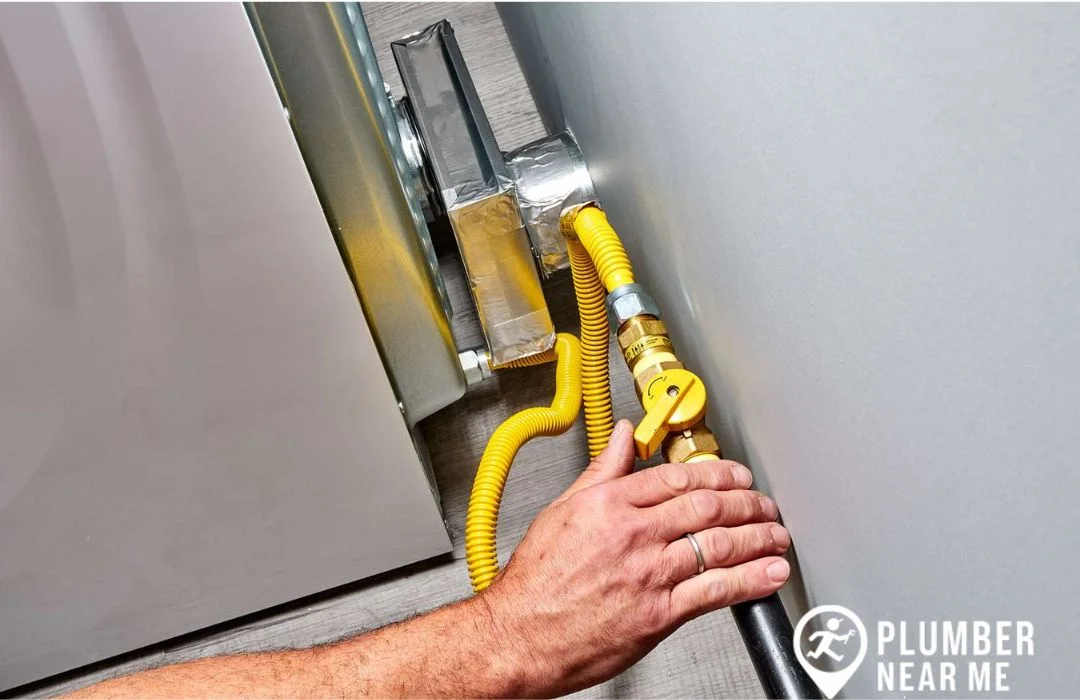
- Locate the gas shut-off valve behind or near the dryer.
-
- Turn the valve clockwise to close it.
Important: Ensure the gas is fully shut off before proceeding. You may want to test the line for leaks later.
2. Unplug the Dryer
Unplug the electrical power cord:
-
- Pull the dryer plug straight out from the outlet.
-
- This step prevents electric shocks during the disconnection process.
3. Disconnect the Gas Line
-
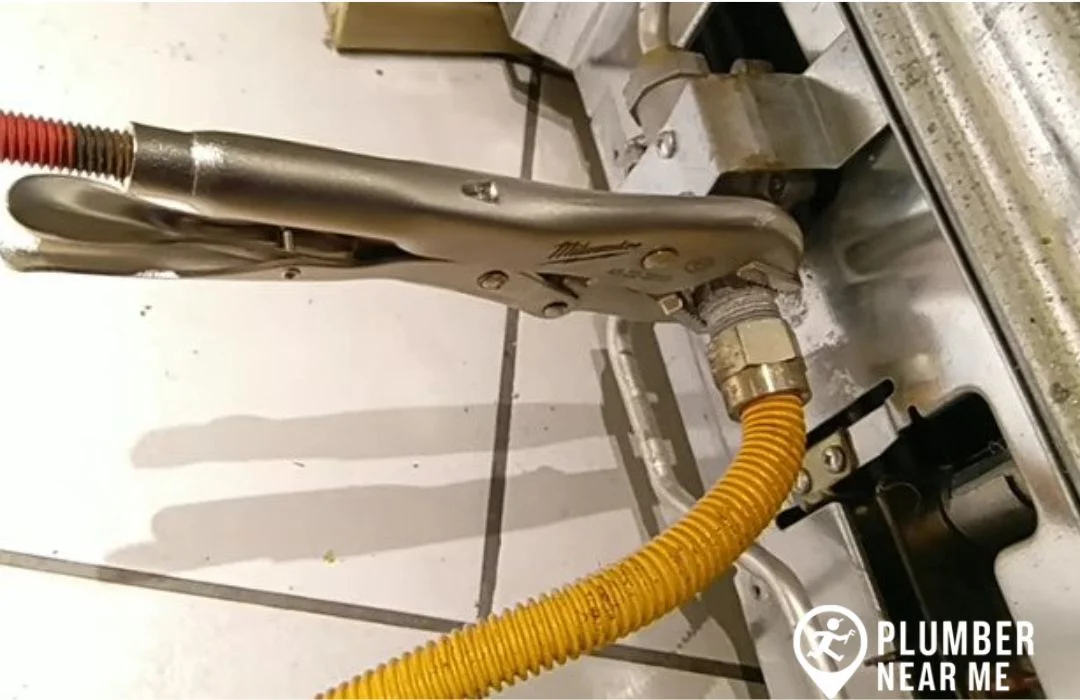
- Use a wrench or pliers to carefully loosen and disconnect the gas supply line from the dryer’s gas inlet valve.
-
- Be gentle to avoid damaging the gas line or fittings.
Note: The gas connection might be flexible (corrugated or braided hose) or rigid pipe.
4. Cap or Seal the Gas Line
To prevent any gas leaks or dirt entry:
-
- Install a gas cap or temporary seal on the open pipe end.
-
- Apply gas leak detection solution around the connection and test for leaks before proceeding.
5. Move or Store the Dryer
-
- Carefully move the dryer away from the wall if needed, ensuring you do not damage the gas line.
-
- Use appliances dollies or stretch straps for safe handling.
Additional Tips for Safety and Compliance
-
- Always wear safety goggles and gloves to protect yourself from gas or debris.
-
- If the gas line appears corroded, damaged, or leaking, do not attempt to repair it yourself.
-
- For long-term removal or replacement, ensure the gas line is appropriately sealed or capped according to local codes.
When to Call in a Professional
While this guide offers a comprehensive overview, consider contacting a licensed plumber in your area if:
-
- You are unsure about handling gas connections.
-
- There are difficult access points or complex piping systems.
-
- You suspect gas leaks or damaged lines.
-
- You plan to install a new appliance or perform major repairs.
Conclusion
Disconnecting a gas dryer requires attention to detail, safety precautions, and awareness of local building codes. If you’re experienced and comfortable with basic plumbing and gas line work, the outlined steps can guide you through the process. However, for most homeowners, hiring a licensed professional is the safest route to prevent accidents and ensure compliance.
Remember, safety always comes first when working with natural gas. If in doubt, do not hesitate to contact a trusted professional—you can find a plumber near me through trusted providers like Plumber Near Me.
FAQs
1. Is disconnecting a gas dryer complicated?
Disconnecting a gas dryer is straightforward but involves working with hazardous materials. Basic plumbing knowledge helps, but always prioritize safety. If you’re unsure, hire a professional.
2. Do I need permits to disconnect a gas dryer?
Permits depend on your local building codes. Typically, a licensed plumber or technician will handle the necessary paperwork.
3. Can I disconnect a gas dryer myself without professional help?
If you are not experienced with gas lines or plumbing, it’s safer to hire a licensed plumber. Improper handling can lead to gas leaks and fire hazards.
4. How long does it take to disconnect a gas dryer?
Under normal circumstances, the process may take 15-30 minutes. Complex installations may require more time.
5. What should I do if I smell gas after disconnecting?
Immediately turn off the gas supply, ventilate the area, and call a professional. Do not light matches or turn on electrical switches.
For homeowners seeking reliable plumbing services near me, always choose a licensed plumber in your area. Whether you need assistance with gas dryer disconnections, leak repairs, or installations, professional help ensures safety, compliance, and peace of mind.
Remember: When it comes to gas and plumbing work, professional expertise saves lives. Don’t compromise safety—call a trusted plumber today!
Call Now for More Information
Disconnecting a gas dryer may seem simple, but it involves handling both gas and electrical connections, which can be hazardous if done incorrectly. The first step is always to shut off the gas supply and unplug the dryer from the power source. Taking these precautions reduces the risk of gas leaks, fire hazards, or accidental electrical shocks.
After shutting off the gas, carefully disconnect the flexible gas line and vent hose. It’s important to check for any lingering gas odors and to cap the gas line securely to prevent leaks. Proper ventilation and careful handling during this process are essential to keeping your home safe while disconnecting the appliance.
Because gas systems require extra caution, many homeowners prefer to leave this job to licensed professionals. A plumber or gas technician ensures the work is done according to safety standards, protecting you and your home. Don’t take unnecessary risks—call now for more information and schedule professional gas dryer disconnection services today!