“Average Costs of Professional Dishwasher Installation Services”
Installing a Dishwasher with the Help of a Plumber. A Step-by-Step Guide. Installing a dishwasher is an excellent way to streamline your kitchen chores and add value to your home. While some handy homeowners prefer to undertake the task themselves, enlisting the help of a licensed plumber ensures the connection is secure, safe, and compliant with local building codes. In this comprehensive guide, you’ll learn the essential steps to install a dishwasher properly and everything you need to know to collaborate effectively with your plumber. You May Also Like: Steps to Hire a Professional Water Heater Replacement Expert.
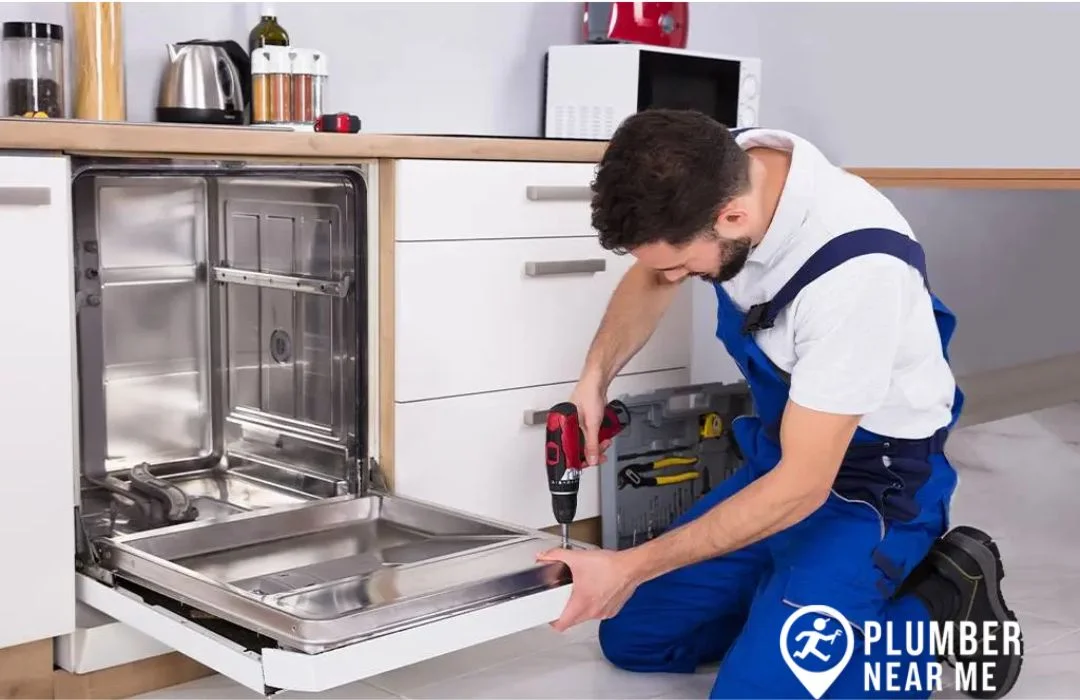
Why Hire a Professional Plumber?
Before diving into the installation process, it’s important to understand why hiring a professional plumber is crucial:
-
- Expertise & Experience: Proper hookups to existing plumbing and electrical systems require specialized knowledge.
-
- Code Compliance: Ensures the installation meets local plumbing and electrical codes, avoiding future issues.
-
- Safety: Proper installation minimizes risks such as leaks, water damage, or electrical short circuits.
-
- Efficiency: A licensed plumber can complete the job quickly and correctly, typically saving you time and future repair costs.
For those searching for a reliable expert, consider exploring find a plumber near me for the best options.
Tools and Materials Needed
Before starting, gather all necessary tools and materials:
Tools:
-
- Adjustable wrench
-
- Level
-
- Drill
-
- Screwdriver
-
- Pipe wrench
-
- Pliers
-
- Teflon tape
-
- Voltage tester
-
- Utility knife
Materials:
-
- Dishwasher unit
-
- Dishwasher mounting kit
-
- Water supply hose
-
- Drain hose
-
- Power cord or electrical wiring
-
- Anchors and screws
-
- Shut-off valve (if not already installed)
-
- Leakage detector spray or soap solution
Step 1: Prepare the Installation Area
Preparation ensures the space is ready for the new appliance:
-
- Choose the Location: Typically under the kitchen counter, near existing water and electrical outlets.
-
- Check Space & Clearance: Confirm there’s enough room for the dishwasher and proper ventilation.
-
- Turn Off Power and Water Supplies: For safety, switch off the circuit breaker and close the main water valve.
-
- Remove Old Unit: If replacing an old dishwasher, disconnect and remove it carefully, inspecting the area for issues.
Step 2: Install the Water Supply Line
The dishwasher’s water supply needs a reliable hot water connection:
-
- Locate the Cold Water Line: Usually accessible under the sink or nearby.
-
- Install a T-Connection Valve: If not already present, install a T-valve to connect the dishwasher hose without shutting off the main water supply.
-
- Attach the Water Supply Hose: Connect one end to the T-valve and the other to the dishwasher inlet using an adjustable wrench.
-
- Check for Leaks: Turn on the water, inspect for leaks, and tighten connections as necessary.
Pro Tip: Use Teflon tape around threaded connections to prevent leaks.
Step 3: Connect the Drain Hose
The drainage system is critical for efficient operation:
-
- Connect to Sink Drain or Disposal: Attach the drain hose to the garbage disposal inlet or sink drain via an air gap or standpipe.
-
- Secure the Hose: Use a clamp to ensure the connection is tight and secure.
-
- Routeing: Make sure the drain hose is looped higher than the dishwasher’s fill level to prevent backflow.
-
- Test Drainage: Pour water into the sink to verify free flow and no leaks.
Step 4: Electrical Wiring
Proper electrical connection guarantees safe operation:
-
- Check the Power Source: Many dishwashers can be hardwired or plugged into an outlet.
-
- If Hardwired: Your electrician or plumber in my area (if qualified) must connect the power through a dedicated circuit.
-
- Use a GFCI Outlet: For safety, especially in damp areas, a ground-fault circuit interrupter (GFCI) is recommended.
-
- Verify Voltage & Grounding: Use a voltage tester before connecting or turning on the power.
Important: If unsure, hire a licensed electrician or licensed plumber to handle electrical connections, ensuring compliance and safety.
Step 5: Mount and Secure the Dishwasher
Once connections are complete:
-
- Position the Dishwasher: Carefully slide it into the cabinet opening.
-
- Level the Unit: Use a level tool to ensure the dishwasher is perfectly horizontal.
-
- Anchor the Dishwasher: Secure the unit to the cabinet frame with screws through the mounting brackets.
-
- Connect to the Brackets: Make sure the mounting brackets are tightened and that the dishwasher won’t move.
Step 6: Test the Installation
Before finalizing:
-
- Restore Power & Water: Turn on the circuit breaker and water supply.
-
- Test Run: Run the dishwasher through a cycle to check for proper operation and leaks.
-
- Inspect All Connections: Look for any signs of water leakage or electrical issues.
-
- Adjust as Necessary: Tighten any loose fittings or connections.
Final Tips for a Successful Installation
-
- Always follow the manufacturer’s instructions specific to your dishwasher model.
-
- Ensure privacy and safety by hiring a licensed plumber or electrician.
-
- Consider routine maintenance and periodic inspection to prolong the lifespan of your dishwasher.
-
- Keep the contact information for a reliable plumber near me handy for any future plumbing repairs or emergencies.

Conclusion
Installing a dishwasher with the assistance of a professional plumber guarantees a safe, efficient, and code-compliant setup that maximizes performance and longevity. From preparing the area, connecting water and electrical systems, to securing the appliance in place, each step is vital to ensure your new dishwasher operates flawlessly.
While DIY installations are possible, entrusting the task to experienced plumbing services near me offers peace of mind, especially considering the potential costs of water damage or electrical hazards caused by improper installation.
Remember, proper installation not only enhances appliance functionality but also safeguards your home. For those needing expert help, contact a local plumber or best plumber near me, ensuring quality work and reliable service.
FAQs
1. How long does it typically take to install a dishwasher with a plumber?
Answer: Most installations take between 2 to 4 hours, depending on the complexity of the existing plumbing and electrical setup.
2. Is it necessary to hire a licensed plumber for dishwasher installation?
Answer: While some homeowners may attempt a DIY install, hiring a licensed plumber significantly reduces risks, ensures code compliance, and guarantees safe operation.
3. Can I connect my dishwasher to an existing electrical outlet?
Answer: Yes, if the outlet is grounded and rated for the appliance’s power requirements. Otherwise, an electrician or plumber should handle wiring modifications.
4. What should I do if my dishwasher leaks after installation?
Answer: Turn off the water supply and power immediately. Inspect all connections for leaks, tighten fittings, and contact a plumber near me for repairs if needed.
5. How often should I schedule maintenance or inspections for my dishwasher?
Answer: Regular inspections every 1-2 years can prevent issues. Clean filters, check hoses for wear, and ensure electrical connections remain secure.
For professional plumbing services near me, including installations, repairs, and emergencies, visit Plumber Near Me for trusted local experts ready to assist.
Call Now for More Information
Installing a dishwasher may seem straightforward, but working with a professional plumber ensures the job is done safely and correctly. A plumber can properly connect water lines, drains, and electrical components to prevent leaks or future damage. Their expertise guarantees your dishwasher runs efficiently and is set up to meet all safety standards.
When hiring a plumber for dishwasher installation, you benefit from their experience with different models and kitchen layouts. They can identify the best placement, ensure tight fittings, and troubleshoot any potential issues before they become costly repairs. This not only saves you time but also extends the life of your appliance.
Don’t risk improper installation that could lead to leaks or electrical hazards. Call now for more information on the guide to installing a dishwasher with a plumber. With professional assistance, you’ll enjoy a smooth setup, reliable performance, and peace of mind knowing your kitchen is in expert hands.