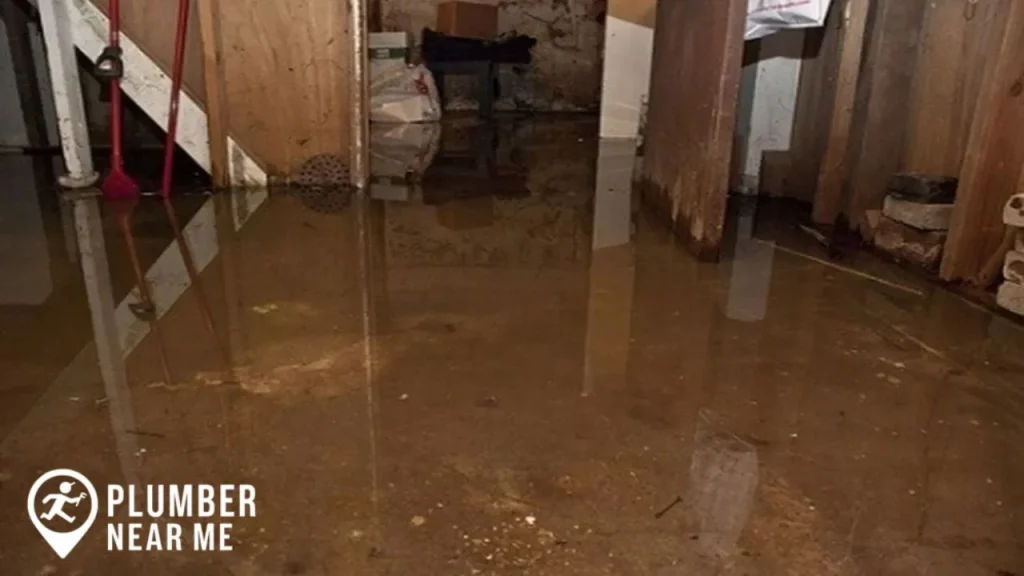
A damp basement is one of the most frustrating problems a homeowner can face. At first, you might just notice a musty smell or a few water stains on the wall. But if left untreated, basement moisture can lead to mold, structural damage, and even health issues. You May Also Like: How To Pump Water Out of Basement.
In this guide, we’ll take a deep dive into the causes of moisture in basements, explore effective damp basement solutions, and walk you through both DIY and professional options for fixing a damp basement for good.
👉 Looking for fast, professional basement waterproofing? Connect with trusted experts at Plumber Near Me for reliable repairs and long-lasting moisture control.
Why Damp Basements Are More Serious Than You Think
A wet or damp basement is not just an eyesore. It’s a warning sign that your home is vulnerable. Here’s why it’s important to take action quickly:
- Mold and mildew growth – Mold thrives in damp, dark spaces. Exposure can trigger allergies, asthma, and respiratory problems.
- Structural weakening – Water slowly erodes concrete and mortar, weakening foundation walls and floors.
- Damaged belongings – Furniture, clothing, cardboard boxes, and electronics stored in basements are highly susceptible to moisture damage.
- Lower property value – Buyers see damp basements as a major red flag, reducing resale value.
- Air quality concerns – Up to 40% of the air you breathe upstairs comes from the basement. Moisture and mold can spread throughout the home.
Identifying the Signs of Basement Moisture
Before you jump into damp basement solutions, it’s important to confirm the warning signs. Watch for:
- Musty, unpleasant odors.
- Water stains or white chalky residue (efflorescence) on walls.
- Condensation on pipes or basement windows.
- Peeling paint or bubbling drywall.
- Visible mold patches, especially on wood or carpet.
- Standing water after heavy rain.
If you notice two or more of these, you’re dealing with a basement moisture issue that needs immediate attention.
Common Causes of Damp Basements
Every damp basement has an underlying cause. Understanding what’s driving the problem helps you choose the right fix.
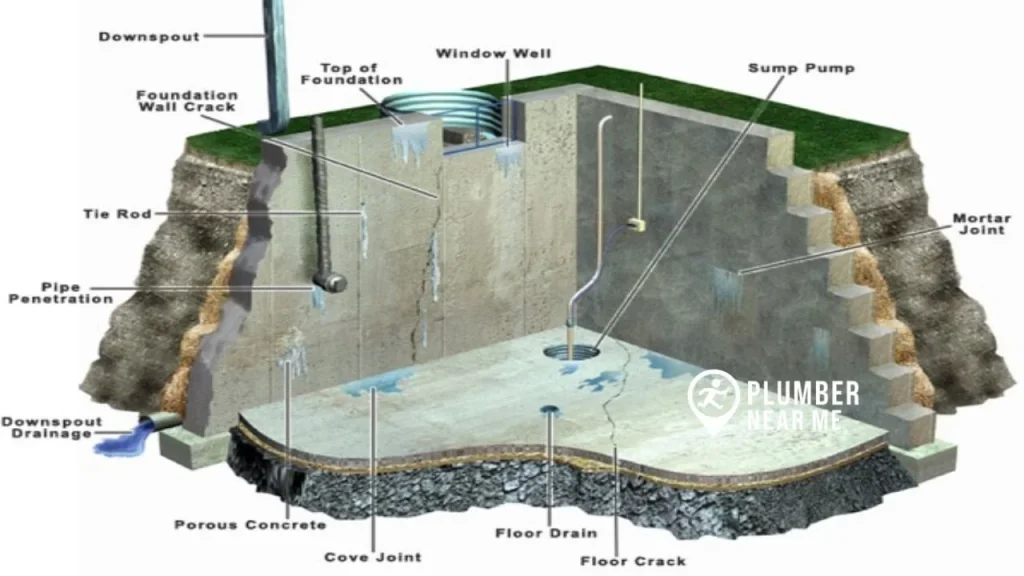
1. Exterior Drainage Problems
- Poorly sloped landscaping directs water toward the house.
- Clogged or short downspouts dump water at the foundation.
- Heavy rainfall accumulates near basement walls.
2. Foundation Cracks and Seepage
- Even tiny cracks in basement walls or floors allow water to seep inside.
- Hydrostatic pressure from wet soil pushes water through weak spots.
3. Interior Humidity and Condensation
- High humidity in the home leads to condensation on walls, pipes, and floors.
- Laundry rooms, bathrooms, and kitchens without proper ventilation worsen the problem.
4. Plumbing Issues
Damp Basement Solutions: Step-by-Step
- Burst pipes, leaking water heaters, or damaged sump pumps can create unexpected flooding.
Step 1: Redirect Water Away from the Foundation
Keeping water outside is the first and most important step.
- Extend downspouts at least 5–10 feet away.
- Regrade your yard to slope away from the foundation.
- Install French drains or curtain drains to reroute groundwater.
Step 2: Seal Basement Walls and Floors
If water still seeps in, seal the structure itself.
- Use hydraulic cement to patch active leaks.
- Apply waterproof coatings or epoxy sealants to basement walls.
- Add vapor barriers like plastic sheeting to block moisture.
Step 3: Control Indoor Humidity
Moisture in basements isn’t always from outside—it can also come from the air.
- Run a dehumidifier to keep humidity between 30–50%.
- Choose units with built-in pumps for continuous drainage.
- Insulate cold water pipes to prevent “sweating.”
Step 4: Improve Ventilation
Fresh air circulation keeps dampness under control.
- Install exhaust fans in laundry or bathroom areas.
- Use window fans for cross-ventilation in summer.
- Consider a whole-house ventilation system for year-round air quality.
Step 5: Install Subfloor and Drainage Systems
For basements prone to ongoing moisture:
- Use floating subfloor panels with built-in vapor barriers.
- Install a sump pump with a battery backup for emergencies.
- Add an interior perimeter drain system to collect and pump out groundwater.
Long-Term Maintenance to Prevent Basement Dampness
Preventing problems is easier and cheaper than repairing them later. Here’s a simple maintenance checklist:
- Clean gutters and downspouts every season.
- Inspect and seal small foundation cracks annually.
- Check sump pump operation before heavy rains.
- Keep basement storage off the floor on shelves or pallets.
- Monitor humidity with a hygrometer and adjust as needed.
DIY vs Professional Basement Waterproofing
DIY is a good option if:
- You’re dealing with light condensation.
- The problem is isolated to one crack or pipe.
- You want to save money on small fixes.
Call a professional if:
- Water regularly pools in the basement.
- Mold spreads quickly despite cleaning.
- Sewage or contaminated water is involved.
- Large cracks or bowed walls appear.
Professionals use advanced systems like interior drain tiles, full wall waterproof membranes, and exterior excavation for permanent solutions.
Cost of Fixing a Damp Basement
The cost depends on the severity of the problem:
- DIY crack sealing: $20–$100.
- Dehumidifier installation: $150–$600.
- Sump pump installation: $1,000–$3,000.
- French drain system: $4,000–$12,000.
- Full professional waterproofing: $5,000–$20,000+.
Think of it as an investment—fixing moisture problems increases home value and prevents expensive long-term damage.
FAQs About Damp Basements
How do I know if my basement is damp or wet?
A damp basement usually has musty smells and minor condensation, while a wet basement may show visible water pooling or leaking walls.
What’s the best way to remove moisture in the basement?
A combination of sealing, dehumidifying, and improving drainage works best. Using a sump pump also helps during heavy rainfall.
Can a damp basement cause health problems?
Yes. Mold and mildew growth in basements can lead to allergies, asthma, and poor indoor air quality.
How long does it take to fix a damp basement?
Small fixes like sealing and dehumidifiers can work in days, while professional waterproofing may take 1–2 weeks depending on scope.
Conclusion
A damp basement doesn’t have to be a permanent problem. By identifying the cause, applying the right damp basement solutions, and committing to regular maintenance, you can protect your home and create a healthier living environment.
For homeowners dealing with recurring water issues, don’t wait until the damage spreads. Professional solutions can save time, stress, and long-term repair costs.
👉 For reliable help with fixing a damp basement, visit Plumber Near Me today and connect with trusted basement waterproofing experts.