Understanding the Cost to Hire a Plumber: Factors, Ranges, and Tips
When plumbing problems arise—whether it’s a leaky faucet, clogged drain, or major pipe repair—hiring a professional plumber is often necessary. However, the cost of hiring a plumber can vary widely based on several key factors. Knowing what influences these costs can help you make informed decisions and avoid unexpected expenses.
In this article, we delve into the typical ranges for plumbing services, explore the main factors that impact pricing, and offer practical advice to help you budget effectively for your plumbing needs.
Factors Influencing the Cost of Hiring a Plumber
The price you pay for plumbing services is not fixed; it depends on multiple variables. The main factors include:
1. Location
The geographical area where you live significantly impacts plumbing costs. Urban areas or regions with a high cost of living tend to have higher rates compared to rural or less expensive regions.
- Examples:
- Major cities like New York, Los Angeles, or Chicago often see rates that are 20-50% higher.
- Smaller towns or suburban areas generally have more affordable rates.
2. Type and Complexity of the Job
Simple fixes are less expensive but more complex tasks require more time and expertise.
- Common jobs and their typical costs:
- Drain Cleaning: $100 – $300
- Leaking Faucet Repairs: $150 – $350
- Replacing a Toilet: $200 – $600
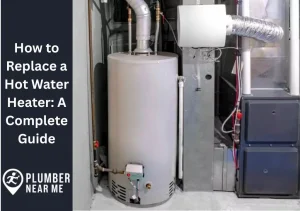
- Water Heater Replacement: $1,000 – $3,500
- Sewer Line Repair: $3,000 – $7,000
- Major Pipe Replacement: $1,000 – $4,000+
Note: The more complex or extensive the project, the higher the overall cost. Cracks in pipes, sewer repairs, or water heater replacements usually demand more specialized skills and equipment.
3. Experience and Certification of the Plumber
- A licensed and experienced plumber may charge more but typically offers higher quality and reliability.
- Journeymen or apprentice plumbers often cost less but may lack comprehensive skills for complicated tasks.
4. Emergency vs. Scheduled Service
- Emergency plumbing services often have a higher rate, sometimes double the regular price, especially during nights, weekends, or holidays.
- Scheduled appointments tend to be more affordable.
5. Type of Plumbing Service Needed
- Basic fixes such as tightening fittings or unclogging drains tend to be cheaper.
- Remodels or installations (like new fixtures or water heaters) involve more labor and materials, increasing costs.
Typical Price Ranges for Common Plumbing Services
| Service | Estimated Cost Range | Notes |
|---|---|---|
| Drain Cleaning | $100 – $300 | Basic drain unclogging |
| Leaking Faucet Repair | $150 – $350 | Depending on the severity of leak |
| Toilet Replacement | $200 – $600 | Includes parts and labor |
| Water Heater Repair | $150 – $1,000 | Depending on the problem |
| Water Heater Replacement | $1,000 – $3,500 | Includes unit and installation |
| Sewer Line Repair/Replacement | $3,000 – $7,000 | Major project, often requires excavation |
| Pipe Repair or Replacement | $500 – $2,500 | Depending on length and difficulty |
Additional Cost Considerations
- Materials and parts: Sometimes, the cost of fixtures, piping, or other materials can add significantly to the total.
- Permits and inspections: Some jobs, particularly major repairs or remodels, may require permits which can cost $50 – $300.
- Hourly vs. Flat Rate: Many plumbers charge an hourly rate ranging from $45 to $150. Some charge flat rates for specific services.
Average Cost Breakdown Based on Job Complexity
Basic Repairs (e.g., fixing leaks, unclogging drains):
Average Cost: $150 – $350
Moderate Projects (e.g., replacing fixtures, minor pipe work):
Average Cost: $400 – $1,200
Large-Scale Repairs/Installations (e.g., water heater replacement, sewer repair):
Average Cost: $2,000 – $8,000+
Note: Always ask for estimates upfront and ensure clear communication about what is included.
How to Save Money When Hiring a Plumber
- Get Multiple Quotes: Contact several local plumbers to compare prices.
- Check Credentials: Hire licensed plumbers to ensure quality work and avoid future expenses.
- Schedule During Off-Peak Hours: For non-urgent repairs, scheduling during regular hours can be cheaper.
- Perform Basic Maintenance Yourself: Simple tasks like clearing minor clogs can often be DIY.
- Request a Fixed Price Estimate: This prevents unexpected charges.
For trustworthy and affordable services, you might look for a reputable plumber in my area, which can connect you with qualified professionals nearby.
Conclusion
Understanding the cost of hiring a plumber is essential to budgeting effectively for your plumbing needs. Costs can vary dramatically depending on location, job complexity, and plumber’s experience. While basic repairs might be quite affordable, more extensive projects like sewer repairs or water heater replacements can be costly.
By being informed about typical price ranges and factors affecting costs, you can better assess quotes and choose the right professional for your situation. Always prioritize licensed and experienced plumbers, and don’t hesitate to ask for detailed estimates before proceeding.
For reliable plumbing services near you, consider reaching out to trusted providers such as Plumber Near Me, which connects homeowners with licensed local plumbers committed to quality service.
FAQs
Q1: How much does it typically cost to hire a plumber?
A: The average cost ranges from $150 to $1,000 for most common repairs. Major projects like sewer line repairs can cost $3,000 or more.
Q2: Are emergency plumbing services more expensive?
A: Yes, emergency services, especially those performed outside regular hours, often have double or triple the standard rates.
Q3: How can I find an affordable plumber near me?
A: Use online directories or search for “affordable plumber near me” to compare local options. Reading reviews can also help ensure quality at a reasonable price.
Q4: What should I ask before hiring a plumber?
A: Confirm licensing, request a written estimate, ask about warranties and guarantees, and inquire about the scope of work and timelines.
Q5: Is it better to fix small leaks myself?
A: Minor leaks are often manageable with basic tools, but if you’re uncertain or if the leak is extensive, hiring a licensed plumber is safer and more cost-effective in the long run.
Remember, proper maintenance and timely repairs can prevent expensive damages down the road. Don’t hesitate to seek professional help when needed—quality plumbing services ensure safety, efficiency, and peace of mind.