“Plumber’s Putty vs. Silicone Which Works Best for Sink Repairs”
Understanding Plumber’s Putty: A Versatile Sealant for Plumbing Repairs and Installations. When it comes to plumbing repair and installation, choosing the right sealant is crucial to ensure a lasting, leak-proof connection. One of the most popular and versatile sealants in the plumbing industry is plumber’s putty. Known for its excellent sealing ability, ease of application, and flexibility, plumber’s putty is a staple for many plumbing professionals and homeowners alike. This article explores what plumber’s putty is, how to use it effectively, its applications, advantages, limitations, and essential tips for proper usage. You May Also Like: Common Methods Plumbers Recommend for Safe Toilet Tank Cleaning.
What Is Plumber’s Putty?
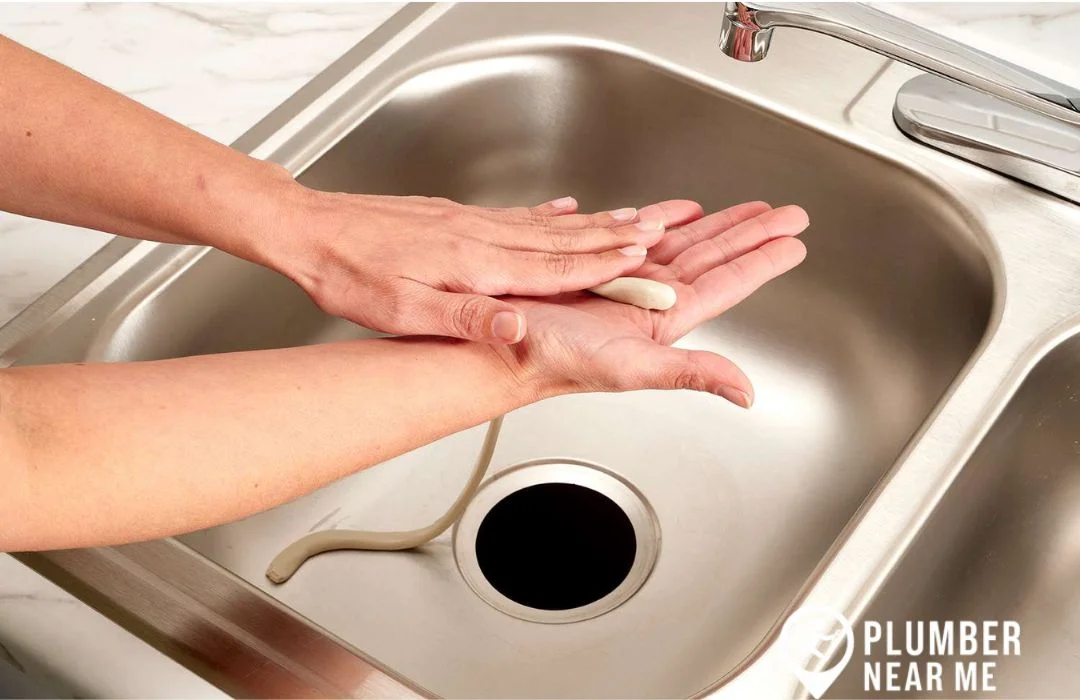
Plumber’s putty is a soft, malleable, and non-hardening sealing compound primarily composed of clays (such as talc or kaolin), linseed oil, and petroleum-based substances. Its unique malleability allows it to be easily shaped and pressed into tight spaces, making it ideal for sealing around fixtures and fittings.
Key Characteristics:
-
- Flexible and non-hardening: Remains soft and pliable over time.
-
- Water-resistant: Creates a reliable seal against water leaks.
-
- Easy to work with: Can be shaped without special tools.
-
- Removable: Can be easily cleaned or replaced if needed.
Note: It is not suitable for use in pressurized plumbing systems, as it does not cure or set permanently, unlike silicone sealants or epoxies.
How to Use Plumber’s Putty Effectively
Proper application of plumber’s putty enhances its effectiveness and longevity. Here are step-by-step instructions and tips for using plumber’s putty:
1. Preparation
-
- Clean the surfaces thoroughly where the putty will be applied.
-
- Remove any old sealant, debris, or water from the area.
-
- Ensure you have enough plumber’s putty to create a good seal.
2. Shaping the Putty
-
- Take a small amount of plumber’s putty and knead it until it becomes soft and pliable.
-
- Roll it into a rope-like shape or small ball, depending on the application.
3. Applying the Putty
-
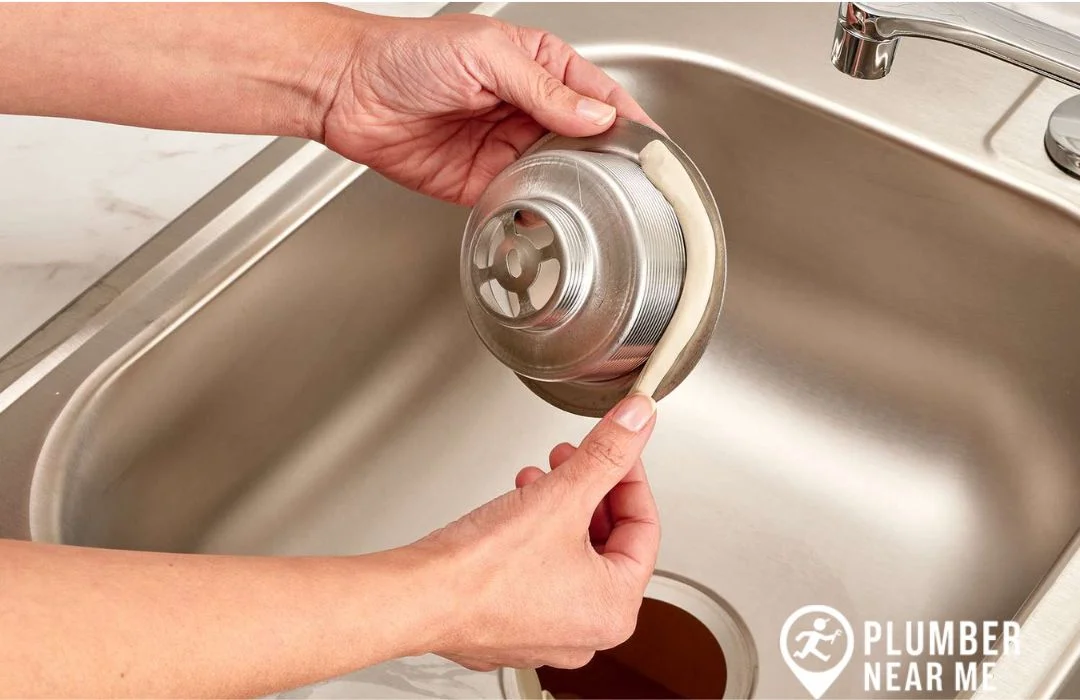
- Press the putty firmly around the area to be sealed, such as under the flange of a sink or around a drain.
-
- Ensure an even layer of putty to prevent leaks.
-
- When installing fixtures like sink drain assemblies or faucets, apply the putty under the flange or base to create a water-tight seal.
4. Assembling Fixtures
-
- Once the putty is in place, assemble the fixture according to the manufacturer’s instructions.
-
- Tighten fixtures gradually, ensuring the putty remains in position.
5. Cleaning Excess Putty
-
- Wipe away any excess immediately with a damp cloth or putty knife to keep the area neat.
-
- Remember, plumber’s putty is removable and does not harden, making cleanup simple.
Common Applications of Plumber’s Putty
Plumber’s putty serves a variety of purposes in residential and commercial plumbing. Below are the most common applications:
1. Sealing Around Sink Drain Flanges
-
- Bathroom and kitchen sinks: To prevent water leaks and ensure a watertight seal.
-
- Application tip: Place a rope of putty around the underside of the drain flange before inserting it.
2. Sealing Faucets and Fixtures
-
- Use under faucet bases, clamps, or other fixtures to avoid leaks.
-
- Not suitable for near water supplies or pressurized systems.
3. Securing Soap Dishes and Accessories
-
- Provides a watertight seal for decorative or functional accessories attached to sinks or countertops.
4. Sealant for Flanges and Mounts
-
- Effective for floor drain flanges or lavatory mounting.
Note: For underwater or high-pressure sealing, consider silicone-based sealants or other specialized products.
Advantages of Using Plumber’s Putty
-
- Ease of Application: Its malleability allows for easy shaping and applying.
-
- Removability: Can be easily cleaned and replaced, ideal for fixtures needing periodic maintenance.
-
- Water-Resistance: Ensures a durable seal that withstands moisture exposure.
-
- Cost-Effective: Generally inexpensive and readily available at hardware stores.
-
- Versatility: Suitable for various fixtures, including drains, faucets, and accessories.
Limitations and Precautions
Despite its many benefits, plumber’s putty also has limitations:
-
- Not suitable for pressurized systems or hot water lines where permanent sealing is required.
-
- Can damage certain materials, especially natural stone like marble or granite, as the petroleum-based components may stain or discolor.
-
- Cannot be used with plastic or rubber components that may degrade upon contact with petroleum-based substances.
-
- Should not be used for water lines where a permanent, curing sealant like silicone or epoxy is needed.
Precautionary tip: Always check the manufacturer’s recommendations before applying plumber’s putty to any fixture.
Tips for Best Results
-
- Use in small amounts to avoid excess spreading or contamination of other components.
-
- Do not apply plumber’s putty on natural stone surfaces; instead, use a silicone sealant.
-
- For long-term seals or pressurized applications, opt for other sealants compatible with plumbing codes.
-
- Always test the seal after installation to ensure there are no leaks.
-
- Regularly inspect fixtures for wear or deterioration of the putty, especially in areas prone to water exposure.
Conclusion
Plumber’s putty remains a reliable, affordable, and versatile sealant for many plumbing tasks around the home or commercial settings. Its ease of use and effective sealing capabilities make it the go-to choice for sink drain installations, fixture sealing, and accessory attachments. However, understanding its limitations and correct application techniques is essential to maximize its benefits and prevent potential issues.
Whether you’re a DIY enthusiast or a professional plumber, knowing when and how to use plumber’s putty can save you time, money, and prevent leaks. For any significant plumbing project or repairs, it’s advisable to consult a licensed plumber in your area to ensure your plumbing system’s safety and compliance.
For the best results, always choose high-quality products and follow the manufacturer’s instructions. If you need professional help or reliable plumbing services near me, consider reaching out to reputable providers like Plumber Near Me, ensuring your plumbing needs are handled efficiently and expertly.
FAQs About Plumber’s Putty
Q1: Is plumber’s putty safe to use on natural stone surfaces?
A: No. Plumber’s putty can stain or discolor natural stones like marble or granite due to its petroleum-based ingredients. Use a silicone sealant designed for stone surfaces instead.
Q2: Can I use plumber’s putty for pressurized plumbing systems?
A: No. Plumber’s putty does not cure and is not suitable for pressurized water lines or systems under constant water pressure.
Q3: How long does plumber’s putty last?
A: Since it remains soft and flexible, plumber’s putty can last for many years, but it may need replacement if it deteriorates, cracks, or leaks develop.
Q4: Can plumber’s putty be removed?
A: Yes. It can be easily removed and replaced without damaging fixtures or surfaces, making it ideal for temporary or adjustable seals.
Q5: What is the difference between plumber’s putty and silicone sealant?
A: Plumber’s putty is malleable and non-curing, suitable for non-pressurized fixtures. Silicone sealants cure and harden, making them suitable for permanent, pressurized, or high-temperature applications.
In conclusion, plumber’s putty is an indispensable tool in the plumbing world when used correctly. Its versatility, cost-effectiveness, and ease of use make it a top choice for various sealing needs. Always ensure proper application and select the right sealant for your specific project—when in doubt, consulting a local plumber can make all the difference.
For expert assistance or to connect with professionals in your area, visit Plumber Near Me.
Call Now for More Information
Plumber’s putty is a trusted material for sealing sinks, drains, and fixtures to prevent water leaks. Its pliable texture makes it easy to apply and ideal for creating watertight seals in areas without constant water pressure. From sealing sink strainers to securing faucet bases, plumber’s putty is a go-to solution for many common sink repairs.
Unlike adhesives or caulks, plumber’s putty remains flexible after application, making it simple to remove or adjust when future repairs are needed. This feature makes it especially useful for temporary or adjustable fixes, while still providing reliable protection against leaks.
For more complex plumbing issues, relying on a professional ensures the putty is applied correctly and paired with the right repair methods. Don’t let minor sink leaks turn into costly water damage—call now for more information and schedule expert sink repair services today!