“Understanding the Role and Features of a Plumber Hose”
In any well-functioning plumbing system, the plumber hose plays a critical role. These flexible hoses are vital components that connect various fixtures and appliances, ensuring seamless water flow and efficient operation. Recognizing their features, types, and the maintenance tips can help homeowners and professionals alike keep plumbing systems in top shape. You May Also Like: Swimming Pool Plumber Services for Installation and Repair.
What Is a Plumber Hose?
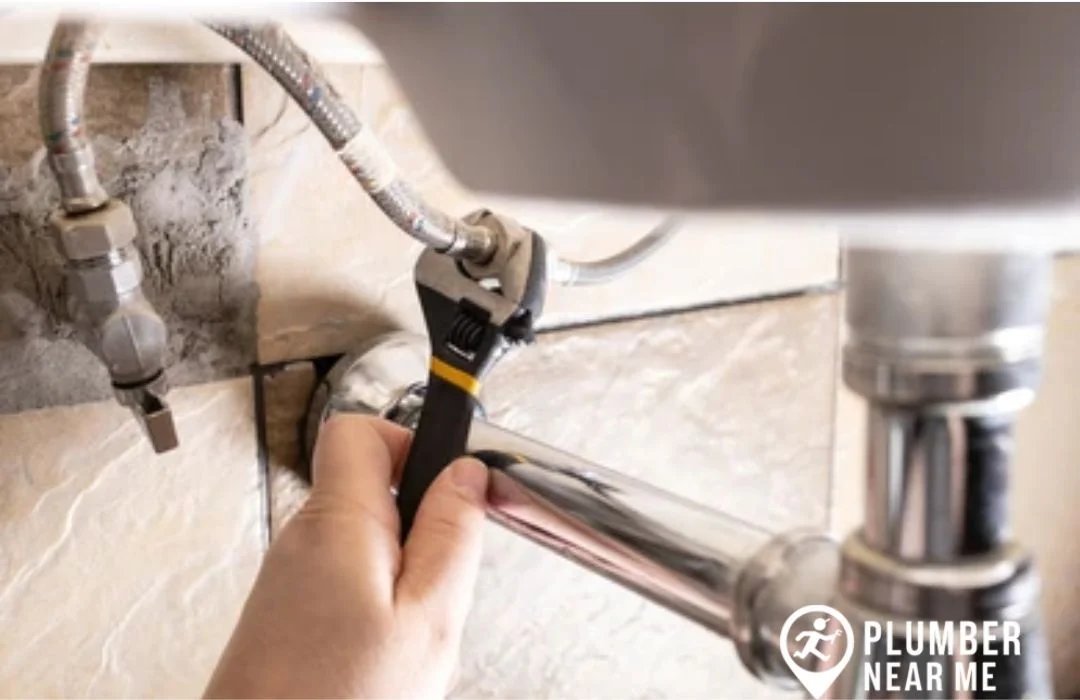
A plumber hose is a flexible pipe designed primarily to connect fixtures, such as sinks, toilets, washing machines, and dishwashers, to the main water supply or drainage system. Unlike rigid pipes, these hoses are made from materials that offer flexibility, durability, and resistance to water pressure, enabling easier installation and repair.
Key features of a plumber hose include:
-
- Flexibility: Easily bend and maneuver in tight spaces.
-
- Durability: Capable of withstanding regular use and environmental factors.
-
- Water Resistance: Built to resist corrosion and water exposure.
-
- Pressure Resistance: Designed to tolerate water pressure within the system without bursting.
Types of Plumber Hoses
There are several types of hoses used in residential and commercial plumbing systems. Each type caters to specific needs, offering varied features and advantages.
1. Supply Hoses
These hoses bring water from the main supply to fixtures. They are commonly used for:
-
- Kitchen sinks
-
- Bathroom faucets
-
- Toilets
-
- Washing machines
Materials used: Rubber, braided stainless steel, or reinforced PVC.
2. Drain Hoses
Drain hoses are responsible for carrying wastewater away from appliances like washing machines and dishwashers to the drainage system.
Materials used: Flexible, corrugated plastic or reinforced rubber.
3. Toilet Fill Hoses
These short hoses connect the toilet tank to the water supply line, allowing the tank to refill after flushing.
Materials used: Flexible rubber or braided hoses.
4. Refrigerator Water Lines
Used to supply water to ice makers and water dispensers in refrigerators.
Materials used: Braided stainless steel or plastic corrugated hoses.
Materials Used in Plumber Hoses
Choosing the right material is crucial for durability, flexibility, and safety.
-
- Rubber: Affordable and flexible, ideal for general use.
-
- Braided Stainless Steel: Offers increased strength, corrosion resistance, and durability.
-
- Reinforced PVC: Lightweight and resistant to kinks, often used in low-pressure applications.
-
- Polyurethane: Flexible and resistant to kinks, suitable for specialized applications.
Advantages of Using a Quality Plumber Hose
Investing in good-quality hoses can significantly improve your plumbing system’s longevity and functionality. Below are some key benefits:
-
- Ease of Installation: Flexibility allows for simple routing and connections without extensive fittings.
-
- Maintenance and Repairs: If a hose develops a leak or burst, it can be easily replaced without disturbing the entire plumbing system.
-
- Corrosion Resistance: Modern hoses are resistant to rust and corrosion, decreasing the likelihood of leaks.
-
- Space-Saving: Flexible hoses can be maneuvered in tight spaces that rigid pipes cannot accommodate.
-
- Cost-Effectiveness: They reduce labor costs due to ease of installation and can be replaced quickly when needed.
Proper Installation and Maintenance Tips
To maximize the lifespan of your plumber hoses, follow these best practices:
-
- Check Connections Regularly: Look for signs of leaks, corrosion, or wear.
-
- Avoid Kinks: Ensure hoses are not bent sharply, which can lead to cracks.
-
- Use Proper Lengths: Avoid excessive slack or stretching that strains the connections.
-
- Replace Periodically: Even durable hoses should be replaced every 3-5 years to prevent failures.
-
- Avoid Excessive Water Pressure: Use pressure regulators if necessary to prevent burst hoses.
-
- Ensure Correct Fittings: Use the appropriate fittings to prevent leaks and damage.
When to Call a Professional
While some minor repairs and replacements can be performed by homeowners, professional assistance is recommended in cases such as:
-
- Persistent leaks
-
- Significant damage or corrosion
-
- Installation of complex plumbing systems
-
- Repairing or replacing water heaters or sewer lines
-
- Emergency situations requiring urgent response
For reliable service, consider contacting a licensed plumber near me or emergency plumber near me to ensure high-quality, compliant work.
Choosing the Right Plumbing Service
When searching for plumbing services near me, consider factors such as:
-
- Licensing and Insurance: Confirm they are licensed to work in your area.
-
- Reputation: Look for plumber reviews near me or references.
-
- Experience: Find a plumber in my area with proven experience in installing and repairing hoses.
-
- Availability: 24-hour services ideal for emergency situations.
-
- Pricing: Transparent and competitive rates from an affordable plumber near me.
Visit trusted platforms like Plumber Near Me to get connected with vetted professionals.
Common Problems with Plumber Hoses and How to Address Them
Despite their durability, plumber hoses can encounter issues over time. Here are some common problems and solutions:
| Problem | Cause | Solution |
|---|---|---|
| Leaks | Worn or damaged washers, loose fittings | Tighten fittings, replace washers or hoses |
| Kinks or Cracks | Improper installation, age | Replace with high-quality hose, ensure proper routing |
| Burst Hoses | Excessive pressure or material fatigue | Install pressure regulators, replace burst hoses |
| Mold or Mildew | Bacterial growth due to leaks | Clean with disinfectant, replace affected hoses |
Regular inspection and timely replacement can prevent most of these problems.
Conclusion
A plumber hose is an essential component within modern plumbing systems, offering flexibility, ease of installation, and reliability. Whether in residential kitchens, bathrooms, or appliances like washing machines and refrigerators, choosing the right hose and maintaining it properly can extend its lifespan and ensure smooth operation.
Understanding the various types, materials, and potential issues associated with plumber hoses enables homeowners and professionals to make informed decisions. For complex repairs, installations, or emergency situations, consulting a licensed plumber near me or trusted plumbing service is always the best course of action.
Proper maintenance, timely replacement, and professional assistance are key to keeping your plumbing system efficient, safe, and leak-free.
FAQs (Frequently Asked Questions)
Q1: How often should I replace my plumber hoses?
A: Typically every 3 to 5 years, or sooner if signs of wear, leaks, or damage are evident.
Q2: Can I install a plumber hose myself?
A: Basic connections can be DIY if you follow proper procedures, but for complex or crucial fittings, it’s best to hire a professional.
Q3: What materials are best for high-pressure applications?
A: Braided stainless steel hoses are ideal due to their strength and pressure resistance.
Q4: How do I prevent my hoses from bursting?
A: Use pressure regulators if needed and avoid exposing hoses to excessive water pressure.
Q5: Where can I find reliable plumbing services near me?
A: Use trusted platforms or search for best plumber near me or plumbing services near me for local professionals.
For dependable and professional plumbing solutions, including drain cleaning, leak repair, or water heater repair, contact a trusted plumber in my area today!
By understanding the roles and maintenance of plumber hoses, homeowners can ensure their plumbing systems remain efficient and stress-free, avoiding costly repairs and water damage. Regular consultation with local plumbers and adherence to best practices are invaluable for long-term plumbing health.
Call Now for More Information
Flexible plumbing hoses have revolutionized modern plumbing by offering quick, durable, and space-saving installation options. But selecting the right type for your system can be challenging without the proper tools. Our innovative software helps homeowners, plumbers, and contractors understand hose types, compatibility, pressure ratings, and best-use scenarios — making installations smarter and safer.
Whether you’re outfitting a new kitchen, replacing old bathroom connections, or upgrading your pool plumbing, our technology guides you through the selection process with precision. Get access to product specifications, compatibility checks, and step-by-step installation recommendations — all powered by intelligent software designed for practical, real-world plumbing solutions.
Avoid leaks, reduce installation time, and improve long-term reliability with the right flexible hose system. Call now for more information or a personalized consultation with our plumbing experts. We’re here to help you connect the right way — every time.