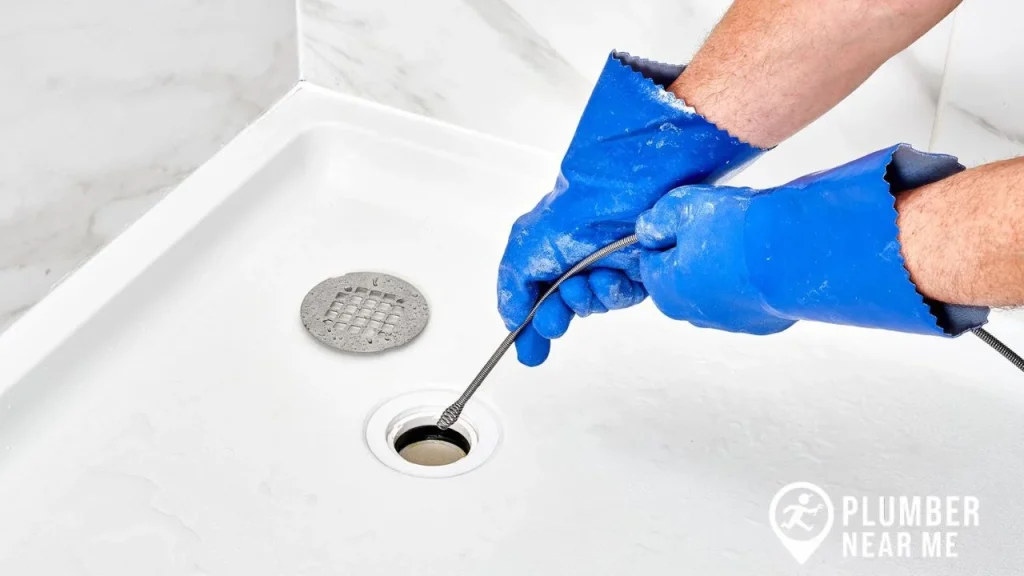
A clogged shower valve can turn a refreshing shower into a frustrating experience. Reduced water pressure, inconsistent temperature, or strange noises from the valve body are all common symptoms of this issue.
👉 Looking for quick, professional help? Connect with trusted experts at Plumber Near Me for reliable plumbing services near you.
This guide will walk you through the causes, symptoms, and step-by-step solutions for dealing with a clogged shower valve body and how to clean a shower cartridge effectively. You May Alos Like: Dishwasher Drain Fix Guide.
What Is a Shower Valve and Why Does It Clog?
The shower valve is the hidden part of your shower system that controls both water pressure and temperature. Inside this valve sits the cartridge — a small but important component that mixes hot and cold water.
Over time, the cartridge or valve body can become blocked due to:
- Mineral deposits from hard water
- Sediment from an old water heater or plumbing system
- Rust or corroded parts inside the pipes
- Everyday debris entering the plumbing line
When these blockages build up, water flow becomes restricted, leading to poor shower performance.
Signs You Have a Clogged Shower Valve
If you’re unsure whether your valve is clogged, look out for these common signs:
- Weak or reduced water pressure
- Water temperature that fluctuates unexpectedly
- Difficulty adjusting hot or cold settings
- Water leaking from the handle area
- Unusual noises coming from behind the shower wall
Tools and Materials You’ll Need
Before you start, gather these essentials:
- Adjustable wrench
- Screwdriver set (including Allen wrench)
- White vinegar
- Small brush or old toothbrush
- Drop cloth or towel (to protect surfaces)
- Bowl for soaking parts
- Plumber’s grease (optional for reassembly)
Step-by-Step: How to Clean a Shower Cartridge
1. Turn Off the Water Supply
Before doing anything, shut off the hot and cold water supply to avoid leaks or accidental flooding.
2. Remove the Shower Handle and Trim
- Use a screwdriver or Allen wrench to remove the handle.
- Take off the escutcheon plate (the metal cover around the valve).
- Set all parts aside safely.
3. Access and Remove the Cartridge
- Locate the shower cartridge inside the valve body.
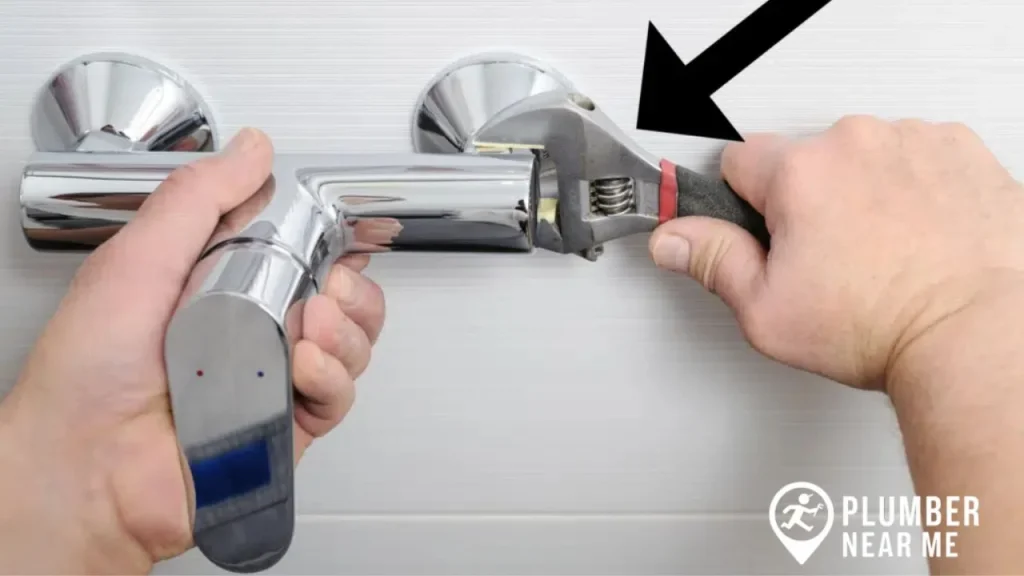
- Use an adjustable wrench to loosen the retaining nut.
- Carefully pull the cartridge straight out — don’t twist too hard to avoid damaging it.
4. Clean the Cartridge
- Inspect for mineral buildup or debris.
- Mix equal parts white vinegar and warm water in a bowl.
- Soak the cartridge for 1–2 hours.
- Use a small brush to scrub away deposits.
👉 If the buildup is severe or the cartridge looks damaged, replacement may be the best option. Always buy a cartridge that matches your valve model.
5. Reassemble the Valve
- Rinse the cartridge thoroughly with clean water.
- Apply plumber’s grease to the O-rings if needed.
- Reinsert the cartridge into the valve body, ensuring it sits correctly.
- Tighten the retaining nut, then reinstall the trim and handle.
6. Test the Shower
Turn the water supply back on and check for leaks, proper water pressure, and smooth temperature adjustment.
Preventing Future Clogs in Your Shower Valve
To keep your shower working efficiently:
- Clean your shower cartridge every 6–12 months.
- Install a water softener if you live in a hard water area.
- Flush your water heater annually to reduce sediment buildup.
- Clean showerheads and aerators regularly.
- Use a shower filter to trap debris before it reaches the valve.
When To Call a Professional
While many homeowners can handle a clogged shower valve with basic tools, sometimes expert help is necessary. Call a plumber if:
- The valve body is cracked or corroded.
- Cleaning doesn’t improve water pressure.
- You can’t remove the cartridge without damaging it.
- There are leaks inside the wall.
Conclusion
A clogged shower valve is inconvenient but usually fixable with some DIY effort. By learning how to clean a shower cartridge, you can restore strong water pressure and extend the life of your shower system. Regular maintenance and preventive steps will also help you avoid recurring clogs.
👉 For expert assistance, visit Plumber Near Me and connect with trusted local plumbing professionals today.
FAQs
What causes a shower valve to clog?
Shower valves clog mainly due to mineral deposits, sediment buildup, and rust in the plumbing system.
Can I clean a shower cartridge instead of replacing it?
Yes! Most cartridges can be cleaned with vinegar and a brush unless they’re too damaged or worn out.
How often should I clean my shower valve?
Cleaning every 6–12 months is recommended, especially in areas with hard water.
What if cleaning doesn’t fix the problem?
If cleaning doesn’t restore water pressure or temperature control, the cartridge may need replacement, or the entire valve body might require professional service.