Understanding the Cost to Replace a Pressure Reducing Valve (PRV)
A Pressure Reducing Valve (PRV) plays a crucial role in maintaining safe and consistent water pressure within your plumbing system. If your PRV malfunctions or fails, it can lead to numerous issues such as water hammer, leaks, or even damage to appliances and fixtures. Replacing a PRV is generally a straightforward process, but understanding the costs involved is essential for homeowners and property managers alike. You May Also like: hot water systems expert installation repair maintenance.
In this article, we will explore the average cost to replace a PRV, factors influencing the pricing, what you can expect during the service, and tips to ensure you get quality work without overspending.
What Is a Pressure Reducing Valve (PRV)?
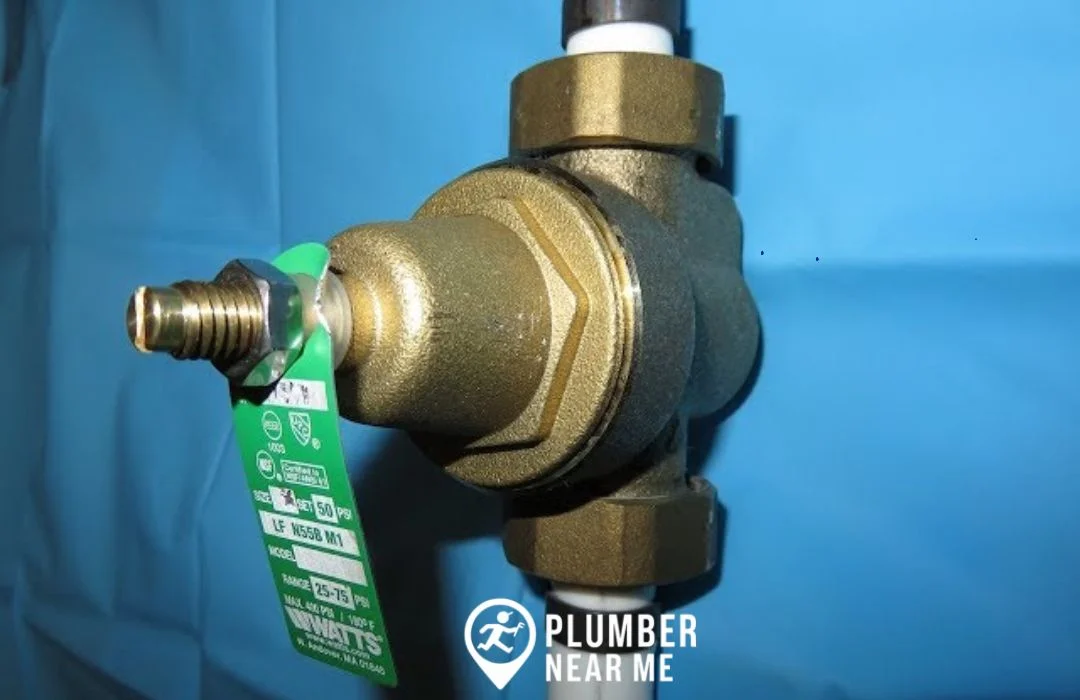
A pressure reducing valve is a device installed on your main water line or specific fixtures to control and reduce water pressure to a safe level. It ensures that water pressure remains within recommended limits, typically around 60-80 psi, depending on local codes and household needs.
Proper functioning of a PRV prevents:
-
- Pipe bursting
-
- Leaks
-
- Damage to appliances
-
- Noisy pipes (water hammer)
The Average Cost to Replace a PRV
The cost to replace a pressure reducing valve typically ranges between $150 and $400, and this includes parts and labor. However, it’s important to note that actual costs can vary based on several factors.
| Estimated Cost Range | Details |
|---|---|
| $150 – $200 | Basic PRV replacement for residential properties |
| $200 – $400 | Larger or specialized valves, complex installations |
Factors Affecting the Pricing
Several variables influence the overall cost to replace a PRV, including:
1. Type and Size of the PRV
-
- Standard Residential PRVs are generally smaller and less expensive.
-
- Commercial or industrial PRVs tend to be larger, more specialized, and costlier.
-
- The size of the valve correlates directly with cost — larger valves cost more.
2. Location of the Valve
-
- If the PRV is located in an accessible area, it is easier and quicker for a plumber to replace, which can lower labor charges.
-
- If situated in hard-to-reach spaces, additional work may be required, increasing costs.
3. Your Geographic Location
-
- Costs differ regionally based on local labor rates.
-
- Urban areas tend to have higher labor costs compared to rural areas.
4. Plumber’s Rates
-
- Experience, reputation, and licensing influence hourly rates.
-
- Emergency or after-hours services usually incur higher charges.
5. Additional Repairs and Services
-
- Sometimes, replacing a PRV reveals other plumbing problems requiring attention, increasing overall costs.
Breakdown of the Replacement Process and Cost Components
Understanding the process involved can help homeowners anticipate the total expense.
Step 1: Inspection and Diagnosis
-
- The plumber assesses the faulty PRV and checks for any related issues.
-
- Cost: Usually included in the service fee or minimal.
Step 2: Valve Selection
-
- The right replacement valve is chosen based on system requirements.
-
- Cost: PRV itself may cost between $50 and $150 depending on specifications.
Step 3: Removal and Replacement
-
- The plumber shuts off the main water supply.
-
- Removes the old PRV and installs the new one.
-
- Checks for leaks and proper operation.
-
- Labor Cost: Usually ranges from $75 to $200.
Step 4: Testing and Cleanup
-
- Ensures water pressure is within normal range.
-
- Restores system to optimal functionality.
Additional Costs to Consider
-
- Permits: Some municipalities require permits for plumbing work, which can add to costs.
-
- Pipe Repairs: If the removal process damages pipes, repairs might be necessary.
-
- Upgrade Costs: Upgrading to a higher-quality or more durable PRV can cost extra but may offer better longevity.
Tips for Saving Costs and Ensuring Quality
-
- Get Multiple Quotes: Comparing estimates from different licensed plumbers near you helps find competitive pricing.
-
- Check Reviews: Look at plumber reviews near me to ensure you select reputable professionals.
-
- Routine Maintenance: Regular inspections can prevent sudden failures requiring costly replacements.
-
- Choose the Right Valve: Consult with your plumber to select an appropriate type and size suited for your household.
Conclusion
Replacing a pressure reducing valve is a vital part of maintaining a safe and efficient plumbing system. With costs generally falling between $150 and $400, understanding the factors that influence this range helps homeowners plan accordingly. Investing in quality workmanship and choosing a reputable plumber in my area will ensure the job is done correctly, preventing future issues and safeguarding your property.
Whether you’re experiencing pressure problems or your existing PRV has failed, prompt replacement is essential. Scheduling services with an experienced professional can save you money and peace of mind in the long run.
FAQs (Frequently Asked Questions)
Q1: How do I know if my PRV needs to be replaced?
A: Signs include inconsistent water pressure, water hammer noises, leaks around the valve, or the valve failing to regulate pressure properly. An inspection by a licensed plumber near me can confirm.
Q2: Can I replace a PRV myself?
A: It’s recommended to hire a professional plumber in my area. Improper installation can lead to leaks, damage, or pressure issues.
Q3: How long does a PRV last?
A: Typically, a PRV lasts between 5 to 10 years, depending on water quality and usage.
Q4: Is replacing a PRV covered by homeowner’s insurance?
A: Usually, routine replacements are not covered. However, if the PRV failure caused damage, coverage might be available. Check with your insurer.
Q5: How do I find a reliable plumber near me?
A: Use trusted directories or websites to read reviews and ratings. Look for licensed and insured professionals with good plumber reviews near me.
For professional, reliable plumbing services near you, visit Plumber Near Me to find the best plumber near me or local plumber to handle your PRV replacement efficiently and affordably.
Call Now for More Information
A failing pressure reducing valve can cause fluctuating water pressure and costly plumbing issues if not addressed quickly. Replacing this valve ensures stable water flow and protects your pipes and appliances from damage. If you’re noticing water pressure problems or leaks, it may be time for a replacement. Call now to connect with a trusted plumber who can provide expert service at a fair price, keeping your home’s plumbing system safe and efficient.