A flooded basement is every homeowner’s nightmare. Whether it’s due to heavy rain, burst pipes, or a sewer backup, standing water in your basement can quickly damage your property and put your home’s foundation at risk. That’s why knowing how to pump water out of your basement is essential. In this guide, we’ll cover safety tips, step-by-step water removal methods, and long-term prevention strategies. You May Also Like: How To Snake a Toilet.
👉 If you’re facing a serious flooding issue and need urgent help, you can also get in touch with professionals at Plumber Near Me who specialize in flooded basement water removal.
Common Causes of Basement Flooding
Understanding the causes helps you choose the right solution:
- Heavy rainfall or storms – Water pooling around the foundation can seep into basements.
- Plumbing leaks or burst pipes – Old or damaged pipes can release gallons of water in minutes.
- Sewer backups – Often the most hazardous, as they carry contaminated water.
Safety First Before Basement Water Removal
Before starting water removal from basement, always:
- Turn off electricity – Water + electricity is dangerous. Shut off power at the main breaker or call the power company if the panel is in the basement.
- Check the source of water – Stop leaks if possible, or wait for floodwaters outside to recede.
- Inspect structural safety – Pumping too quickly can put pressure on basement walls. Follow a gradual removal process.
Best Equipment to Remove Water from Basement
- Submersible Pumps – Designed to sit in water and pump out large volumes fast.
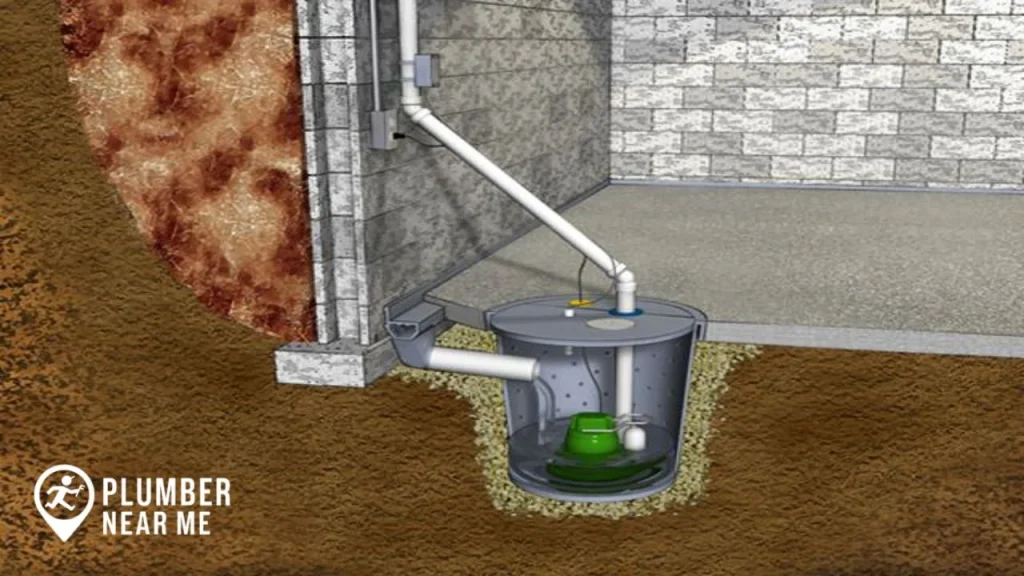
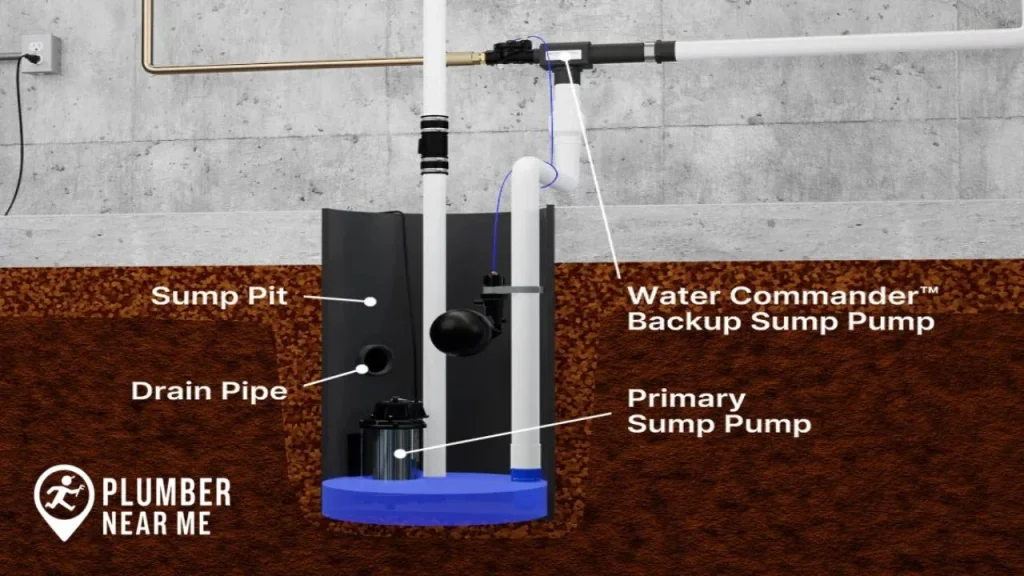
- Sump Pumps – Many homes already have one installed in a sump pit for automatic water removal.
- Utility Pumps – Portable, great for smaller floods and flexible usage.
- Wet/Dry Vacuums – Effective for light flooding or final cleanup.
- Buckets & Mops – A backup option for very small amounts of water.
Step-by-Step Guide: How to Pump Water Out of Your Basement
- Set Up the Pump
Place your pump at the lowest point of flooding. Submersible pumps should be fully submerged. - Attach and Position the Hose
Run the hose away from your home—at least 20 feet from your foundation—to prevent water from coming back inside. - Start Pumping Gradually
- Pump 1 foot of water out, then wait 24 hours.
- If water level stays stable, remove 1 foot per day.
- Once levels are safe, you can speed up removal.
- Monitor Progress
Check connections, make sure the pump doesn’t clog, and watch for new water entering.
Dealing with Moisture After Flooding
Even after you remove water from basement, moisture remains. To avoid mold and odors:
- Use fans & industrial dehumidifiers.
- Keep windows open for cross-ventilation.
- Remove soaked carpets, drywall, or insulation.
- Use desiccants (like silica gel) in tight spaces.
Professional vs. DIY Flooded Basement Water Removal
- DIY is fine for small leaks or a few inches of water.
- Hire professionals if:
- The flooding is severe.
- Water is contaminated (sewage).
- There’s visible structural damage.
Professional services may seem costly, but they include complete drying, disinfection, and mold prevention—saving you money long-term.
Preventing Future Basement Flooding
- Install a sump pump with battery backup.
- Improve yard grading & drainage systems.
- Maintain gutters and downspouts.
- Seal basement cracks.
- Install water alarms for early detection.
FAQs About Basement Water Removal
Q1: Can I pump water out of my basement myself?
Yes, if the water is clean and manageable. For sewage backups, always hire professionals.
Q2: How long does it take to dry a basement after flooding?
Anywhere from 2–7 days, depending on moisture levels and equipment used.
Q3: Is it safe to use a household vacuum to remove basement water?
No. Only use a wet/dry shop vacuum—regular vacuums are unsafe for water cleanup.
Conclusion
Basement flooding can feel overwhelming, but with the right safety steps, equipment, and patience, you can effectively pump water out of your basement and protect your home from long-term damage. Always remember that prevention—like sump pump systems and good drainage—is the best protection against future floods.
👉 For expert help with flooded basement water removal and emergency plumbing services, visit Plumber Near Me.