“Mistakes to Avoid When Cleaning Your Toilet Tank”
Effective and Safe Methods to Clean Toilet Tanks: Expert Recommendations. Maintaining a clean toilet tank is essential for overall bathroom hygiene, preventing unpleasant odors, and ensuring the proper functioning of your toilet. While it may seem daunting, professional plumbers recommend simple, safe, and effective methods to keep your toilet tank spotless. This article explores these trusted techniques, highlighting essential tips, common pitfalls, and best practices. You May Also Like: Effective Uses of Plumber’s Putty for Sink Repairs.
Why Is Regular Toilet Tank Cleaning Important?
Before diving into cleaning methods, it’s crucial to understand why routine maintenance of your toilet tank benefits your home:
-
- Prevents Bacterial Growth: Over time, mold, mildew, and bacteria can develop inside the tank, causing health concerns and foul odors.
-
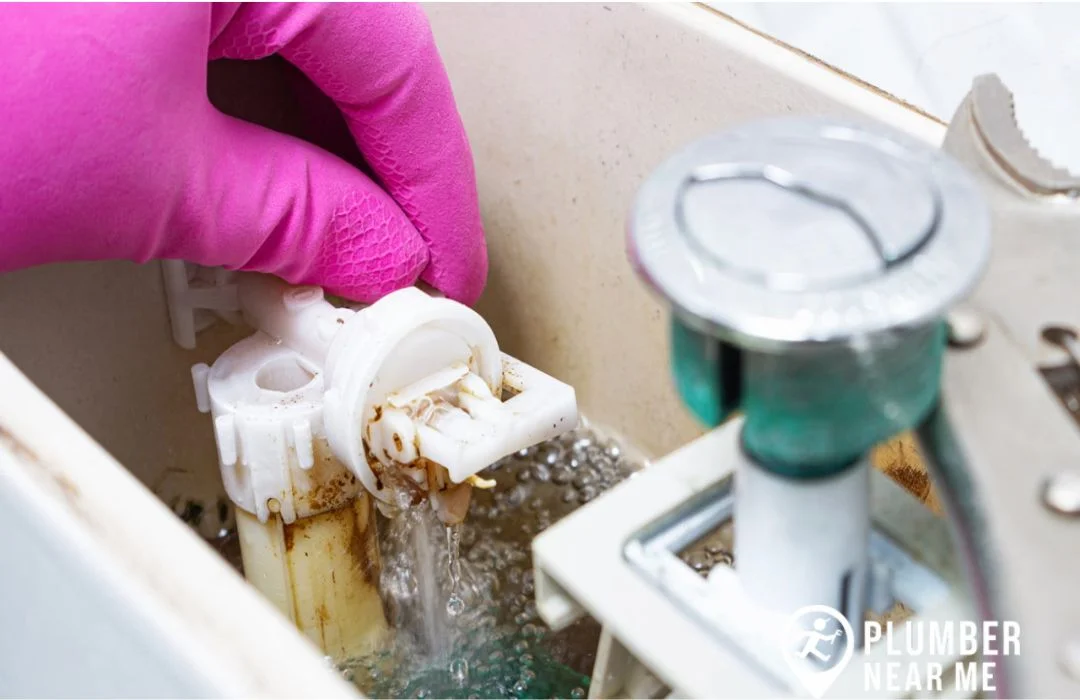
- Avoids Tank Clampages and Malfunctions: Buildup of mineral deposits and debris can impair flapper operation, leading to leaks or running toilets.
-
- Extends Toilet Longevity: Regular cleaning preserves the integrity of internal components, postponing costly replacements.
-
- Maintains Water Efficiency: A clean tank ensures optimal flushing performance, saving water and reducing bills.
Common Challenges in Cleaning Toilet Tanks
Cleaning a toilet tank requires care; improper techniques may cause damage or fail to remove deposits. Some challenges include:
-
- Use of Harsh Chemicals: Strong acids or abrasive cleaners can corrode internal parts.
-
- Scrubbing Components: Rough scrubbing may scratch plastic surfaces or loosen critical parts.
-
- Lack of Proper Tools: Using inappropriate brushes or tools can make cleaning ineffective or damaging.
-
- Neglecting Internal Components: Focusing solely on the tank’s exterior is insufficient for thorough cleaning.
Recommended Methods for Cleaning Toilet Tanks Safely and Effectively
Plumbers generally advise specific techniques to ensure safety and optimal results. Here are the best practices:
1. Basic Manual Cleaning Using Mild Cleaning Agents
This method is ideal for routine maintenance and when the tank isn’t heavily stained.
Tools Needed:
-
- Soft-bristled toilet tank brush or non-abrasive sponge
-
- Mild bleach solution or vinegar
-
- Rubber gloves
Step-by-Step Process:
-
- Turn Off Water Supply: Locate the valve at the base of the toilet and shut it off.
-
- Flush and Drain: Flush the toilet to empty the tank, holding down the handle to drain residual water.
-
- Mix Cleaning Solution: Prepare a solution with white vinegar (preferably undiluted or diluted with water) or a mild bleach solution (1 part bleach to 10 parts water).
-
- Scrub Lightly: Use the brush dipped in the solution to gently scrub all interior surfaces, paying attention to corners and crevices.
-
- Let Sit: Allow the solution to sit for about 10-15 minutes to loosen scale and deposits.
-
- Rinse Thoroughly: Turn the water back on and flush several times to rinse out the solution.
-
- Repeat if Necessary: For stubborn stains, repeat the process.
Advantages:
-
- Safe for most plastics and seals
-
- Eco-friendly options available
-
- Requires minimal equipment
2. Use of Specialized Toilet Tank Cleaners
For tougher stains or mineral deposits, professional plumbers suggest safe use of commercial toilet tank cleaners.
Important Tips:
-
- Always choose products designed for toilets and follow manufacturer instructions.
-
- Avoid abrasive scrubbing agents that can scratch or damage internal parts.
-
- Use products with low acidity to prevent corrosion.
Application Process:
-
- Add the cleaner directly into the tank according to guidelines.
-
- Let it sit for the specified time (usually 15-30 minutes).
-
- Brush gently if needed, then flush to rinse.
3. Natural Cleaning with Vinegar and Baking Soda
Vinegar and baking soda form an effective, non-toxic cleaning duo.
Steps:
-
- Pour Vinegar: Add about 2 cups of white vinegar into the tank.
-
- Add Baking Soda: Follow with a quarter cup of baking soda.
-
- Let It React: Allow the mixture to foam and sit for 15-20 minutes.
-
- Scrub Gently: Use a soft brush to loosen deposits.
-
- Flush and Rinse: Turn the water supply back on, flush a few times to clear residue.
Benefits:
-
- Completely natural and biodegradable
-
- Removes lime scale and deposits
-
- Helps neutralize odors
4. Regular Maintenance and Preemptive Cleaning
In addition to deep cleaning, regular maintenance can prevent build-up:
-
- Flush and Refill: Occasionally flush with a vinegar solution.
-
- Check for Leaks: Inspect internal seals and flappers.
-
- Use Water Softening Systems: Reduce mineral deposits in hard water areas.
Safety Precautions When Cleaning Toilet Tanks
Always observe safety protocols to prevent injuries or damage:
-
- Turn off water before cleaning
-
- Wear gloves to protect skin from chemicals
-
- Avoid mixing different cleaning chemicals
-
- Do not use abrasives or metal brushes
-
- Ventilate the area during cleaning
When to Call a Professional Plumber
Sometimes, cleaning alone isn’t enough—especially when facing stubborn stains, mold, or internal component issues. In such cases, consulting a licensed plumber near me is advisable. They can:
-
- Perform thorough repairs
-
- Replace worn-out parts
-
- Address hard water deposits effectively
-
- Provide preventive maintenance
Conclusion
Keeping your toilet tank clean is crucial for bathroom hygiene, maintaining efficient flushing, and avoiding costly repairs. The methods outlined above—ranging from manual cleaning with mild agents, using specialized cleaners, to natural solutions such as vinegar and baking soda—are safe and effective when applied correctly. Regular maintenance, combined with timely professional support when needed, helps ensure your toilet remains functional and odor-free.
For those unfamiliar or uncomfortable with DIY techniques, it’s always wise to seek professional plumbing services near me. An experienced plumber close to me can provide comprehensive cleaning, repairs, and maintenance, helping you avoid headaches and costly repairs in the future.
FAQs
Q1: How often should I clean my toilet tank?
Ideally, a thorough cleaning every 6-12 months suffices for most households. However, in hard water areas, more frequent cleaning may be necessary.
Q2: Can I use bleach in my toilet tank?
Yes, but with caution. Use diluted bleach (about 1:10 ratio) and ensure proper rinsing to avoid damage to internal parts.
Q3: Is vinegar safe for my toilet components?
Yes, vinegar is safe and effective for cleaning, particularly for lime scale and mineral deposits. Avoid prolonged contact with rubber seals and components.
Q4: What are signs that my toilet tank needs a professional cleaning?
Persistent odors, constant running, mineral buildup, or mold growth are indicators that a professional plumber should be consulted.
Q5: Can I prevent future problems by cleaning my toilet tank regularly?
Absolutely! Regular cleaning helps prevent deposits, mold, and bacterial growth, reducing the risk of larger issues.
If you’re in need of reliable plumbing assistance, whether it’s drain cleaning, leak repair, or water heater repair, Plumber Near Me connects you with trusted local professionals who can help with all your residential or commercial plumbing needs.
Call Now for More Information
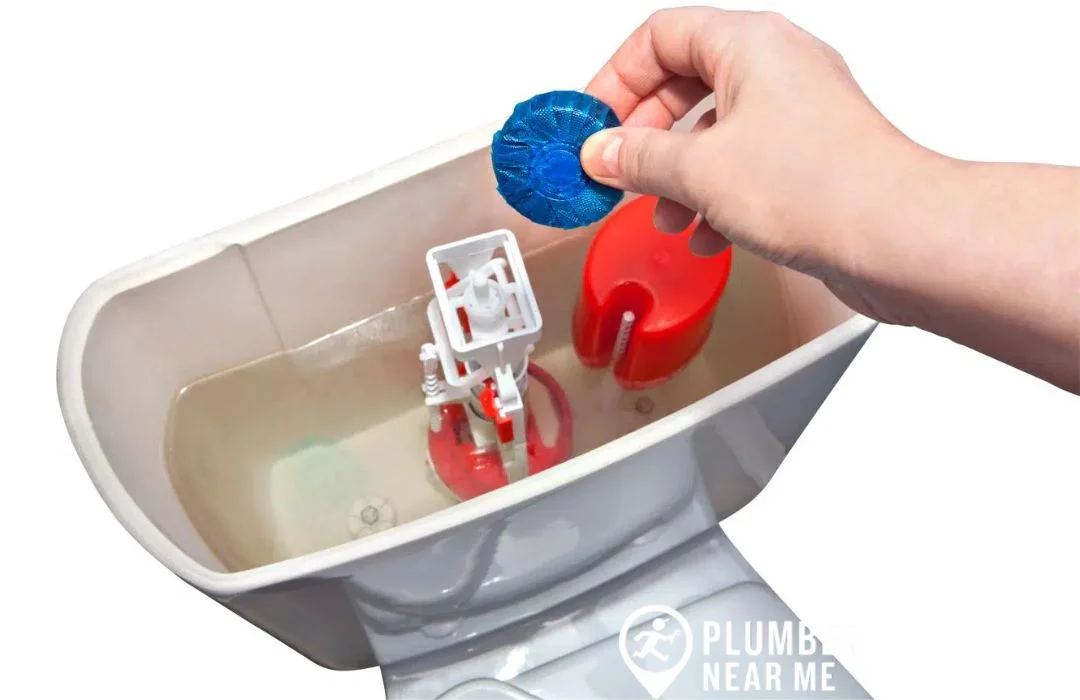
Keeping your toilet tank clean is essential for maintaining proper function and preventing long-term issues. Plumbers recommend safe methods such as gently scrubbing with a toilet brush, using non-abrasive cleaners, and avoiding harsh chemicals like bleach tablets that can corrode parts inside the tank. These practices help extend the life of your toilet and keep it running efficiently.
Mineral buildup, mold, and bacteria are common issues inside toilet tanks, especially in areas with hard water. Regular cleaning helps reduce these problems, ensuring smooth flushing and preventing unnecessary repairs. Following plumber-recommended methods ensures both safety and effectiveness without causing damage to your toilet’s internal components.
For homeowners who prefer professional help, plumbers offer thorough cleaning and inspection services to address hidden issues. Don’t risk damaging your toilet with unsafe cleaning methods—call now for more information and schedule professional toilet tank cleaning services today!