A water storage tank is one of the most essential parts of a household water system. Whether you rely on a private well, rainwater collection, or municipal water, having a reliable water tank for house use ensures steady water pressure, backup supply, and protection against pump wear and tear. You May Also Like: Replace a Hot Water Heater.
👉 If you’re planning to install or replace a water tank, you can always find expert help at Plumber Near Me.
Why Do You Need a Water Storage Tank?
A water holding tank serves more than just storage. It:
- Maintains consistent water pressure in your home.
- Prevents your well pump from constantly turning on and off, extending its life.
- Provides a reserve supply of water during power outages or pump downtime.
- Reduces sediment and impurities, improving water quality.
For households that rely on wells, water tanks are crucial. Even in municipal water areas, a tank can be a smart backup solution.
Types of Water Storage Tanks
Not all tanks are the same—here are the main options:
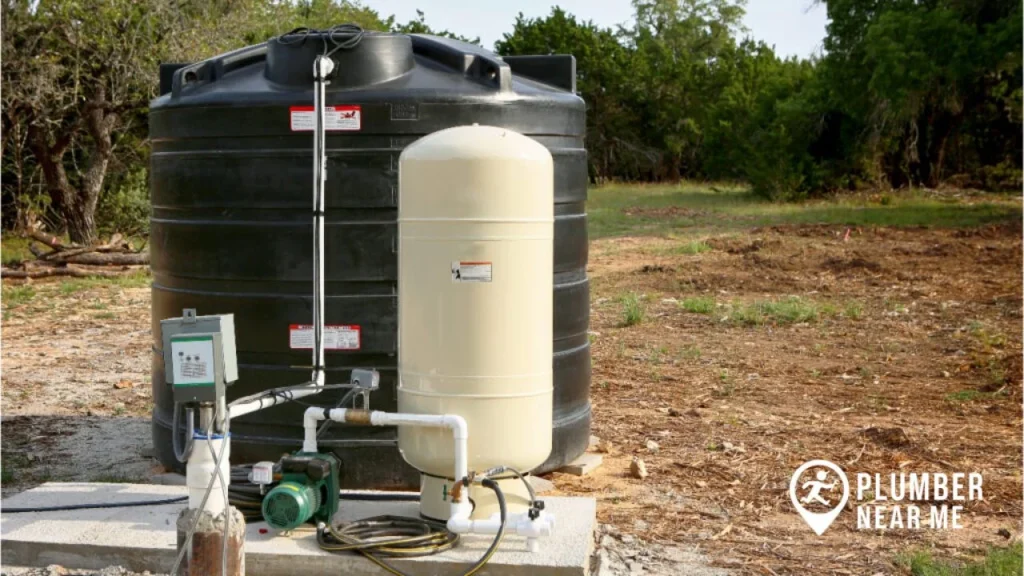
1. Pressure Tanks
- Common in modern well systems.
- Tall, cylindrical tanks usually made of steel or fiberglass.
- Help maintain steady water pressure and store a small reserve.
- Equipped with a pressure switch that controls when the pump turns on and off.
2. Non-Pressurized Storage Tanks (Cisterns)
- Large-capacity tanks designed to hold significant water volume.
- Often used when wells have a low yield or in drought-prone areas.
- Can be integrated with rainwater harvesting systems.
- Provide backup supply during high-demand times.
How Pressure Tanks Work
- Pressure Switch: Monitors water levels and triggers the pump to refill the tank when pressure drops.
- Check Valves: Prevent water from flowing back into the well.
- Bladder or Diaphragm: Keeps air and water separated, maintaining pressure and avoiding waterlogging.
This design ensures your faucets, showers, and appliances always have steady water flow.
Choosing the Right Tank Size
Picking the right size water reservoir tank for home use depends on:
- Family Size: More people = higher water demand.
- Appliances: Washing machines, dishwashers, and irrigation systems increase usage.
- Well Performance: Low-yield wells may need larger storage tanks.
💡 Small families may use a 200-gallon tank, while larger households often require 500 gallons or more.
Above-Ground vs. Underground Tanks
- Above-Ground Tanks: Easier to install, cheaper, and simple to maintain. Require space in your basement, garage, or outside.
- Underground Tanks: Save yard space and are protected from extreme temperatures, but cost more to install and maintain.
Materials Used in Water Storage Tanks
- Plastic (Polyethylene): Lightweight, affordable, UV-resistant, easy to install.
- Fiberglass: Long-lasting, corrosion-resistant, ideal for underground use.
- Steel: Extremely durable, but needs regular anti-rust maintenance.
- Concrete: Best for large underground reservoirs, strong and durable.
Maintenance Tips for Your Water Holding Tank
To keep your system reliable:
- Inspect annually for leaks, rust, or cracks.
- Clean every 3–5 years to prevent sediment buildup.
- Test water quality if you notice odors, discoloration, or taste changes.
- Check pressure switches and valves regularly.
- 👉 Want a professional inspection? Book a service with Plumber Near Me.
FAQs About Water Storage Tanks
1. What is the purpose of a water storage tank?
A water storage tank ensures consistent water pressure, provides a backup supply, and protects your pump from overworking.
2. What size water tank for house use is best?
For 1–2 people, 200–300 gallons may be enough. Families of 4–5 often need 400–500 gallons, while larger households may require 1,000 gallons or more.
3. Can a water holding tank improve water quality?
Yes. Sediment often settles at the bottom of the tank, reducing what enters your plumbing system.
4. Is it better to install an underground or above-ground water reservoir tank for home use?
Above-ground tanks are more affordable and easier to maintain, while underground tanks save space and offer better temperature protection.
5. How long does a water storage tank last?
- Plastic tanks: 10–15 years
- Fiberglass: 20+ years
- Steel: 15–20 years (with maintenance)
- Concrete: 30+ years