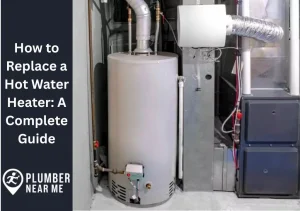
A reliable water heater is essential for everyday comfort—whether it’s for showers, laundry, or cleaning. But like any appliance, water heaters eventually wear down. Understanding the causes of water heater failure and recognizing the early warning signs can save you from expensive damage and unexpected cold showers. You May Also Like: Hot and Cold Outdoor Faucet.
👉 Need professional help? Visit Plumber Near Me to connect with trusted plumbing experts who can inspect, repair, or replace your water heater before it’s too late.
Why Do Water Heaters Fail?
Water heaters may look sturdy, but several factors contribute to breakdowns over time. Here are the most common causes:
1. Corrosion Inside the Tank
Even though tanks are lined to resist water contact, tiny cracks can form in the glass lining. Over time, water reaches the steel shell, leading to rust. Once corrosion sets in, leaks and structural weakness are inevitable.
2. Sediment Buildup
Minerals in hard water settle at the bottom of the tank, creating a thick layer of sediment. This causes:
- Popping or rumbling noises
- Inefficient heating
- Extra strain on heating elements
- Early tank failure
3. Anode Rod Depletion
The anode rod is designed to “sacrifice” itself to protect the steel tank from rust. When the rod is completely depleted, your tank becomes vulnerable to corrosion.
4. Pressure and Temperature Stress
If the temperature is set too high or the pressure relief valve malfunctions, the tank undergoes constant expansion and contraction. This weakens the metal and can lead to dangerous leaks or bursts.
5. Poor Water Quality
Hard water accelerates mineral deposits, while acidic water corrodes pipes and tanks. Both issues shorten your water heater’s lifespan.

What Happens When a Water Heater Fails?
When a water heater fails, the results can range from inconvenient to catastrophic:
- Loss of hot water: No hot water for showers, laundry, or dishwashing.
- Leaks and flooding: Even a small crack can release gallons of water, causing property damage.
- Noisy operation: Loud banging, cracking, or popping sounds.
- Safety hazards: Extreme pressure buildup could result in tank rupture if not addressed.
Hot Water Heater Failure Signs to Watch For
It’s easier to prevent failure if you spot early red flags:
- Rust-colored water: Indicates corrosion inside the tank.
- Visible leaks or puddles: Small drips often turn into bigger leaks quickly.
- Fluctuating water temperature: Inconsistent heating means internal issues.
- Unusual noises: Rumbling or popping suggests sediment buildup.
- Old age: Most water heaters last 8–12 years. Beyond that, the risk of failure rises.
How to Prevent Water Heater Failure
While you can’t make a water heater last forever, you can extend its life with proper care:
- Flush the tank annually to remove sediment.
- Replace the anode rod every 3–5 years.
- Set temperature to 120°F to reduce stress on components.
- Inspect regularly for rust, leaks, or strange noises.
- Install a water softener if you live in a hard-water area.
- Insulate tank and pipes to reduce heat loss and strain.
When to Replace Your Water Heater
If your unit is over 10 years old, leaking, or requires frequent repairs, replacement may be the smarter option. Newer models are:
- More energy efficient
- Equipped with advanced safety features
- Longer-lasting with improved technology
FAQs
What is the most common cause of water heater failure?
Corrosion is the top reason, especially once the anode rod is depleted and the steel tank begins to rust.
What happens when a water heater fails?
Failure can lead to no hot water, leaks, strange noises, or even a burst tank in severe cases.
How can I tell if my hot water heater is going bad?
Watch for leaks, rusty water, inconsistent temperatures, loud noises, or a unit that’s more than 10 years old.
Can regular maintenance prevent water heater failure?
Yes. Flushing the tank, replacing the anode rod, and checking valves can extend the life of your heater significantly.
Should I repair or replace my failing water heater?
If your unit is newer and the issue is minor, repairs may be fine. For older heaters (10+ years) or major problems, replacement is usually more cost-effective.
Conclusion
A water heater failure can cause costly damage and major inconvenience. By knowing why water heaters fail, watching for hot water heater failure signs, and keeping up with maintenance, you can extend your system’s life and avoid emergencies.
👉 Need expert inspection or replacement? Contact Plumber Near Me for reliable plumbing services and peace of mind.