“Understanding Plumber’s Tape The Essential Tool for Leak-Free Connections”
Plumber’s tape, also widely known as PTFE tape or Teflon tape, is an indispensable component in the world of plumbing. Its primary role is to create a watertight seal on threaded pipe connections, preventing leaks and ensuring the longevity of plumbing systems. Whether you’re a professional plumber or a DIY enthusiast, understanding the properties, applications, and proper usage of plumber’s tape can significantly enhance the quality and reliability of your plumbing work. You May Also Like: Plumbers Frequently Handle Dishwasher Installation Repair and Maintenance.
What Is Plumber’s Tape?
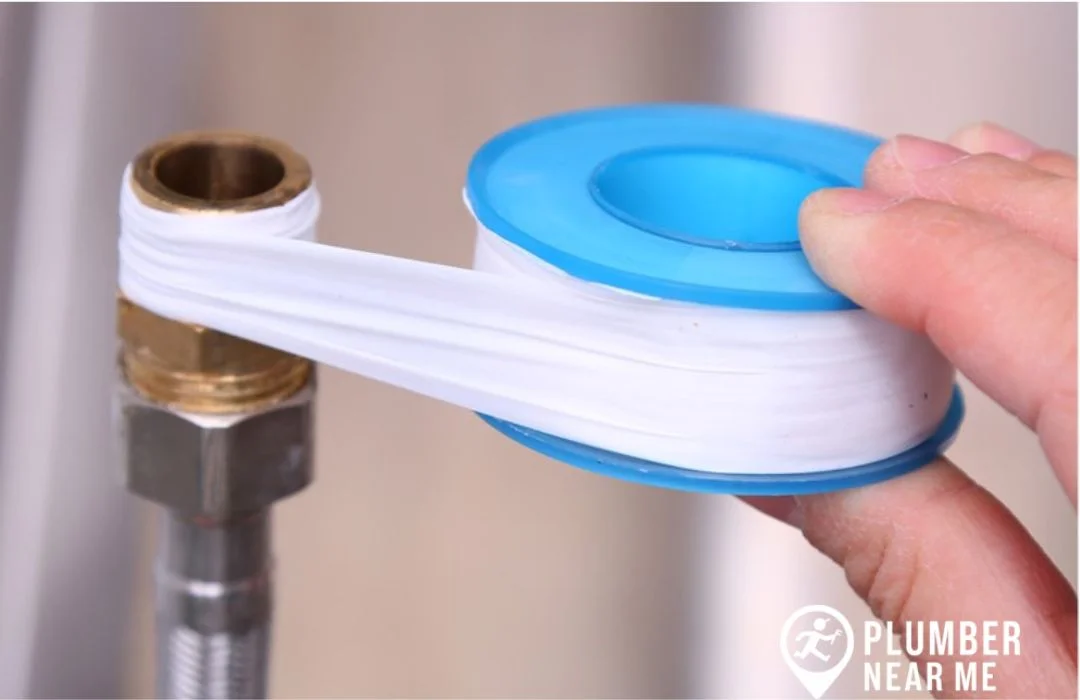
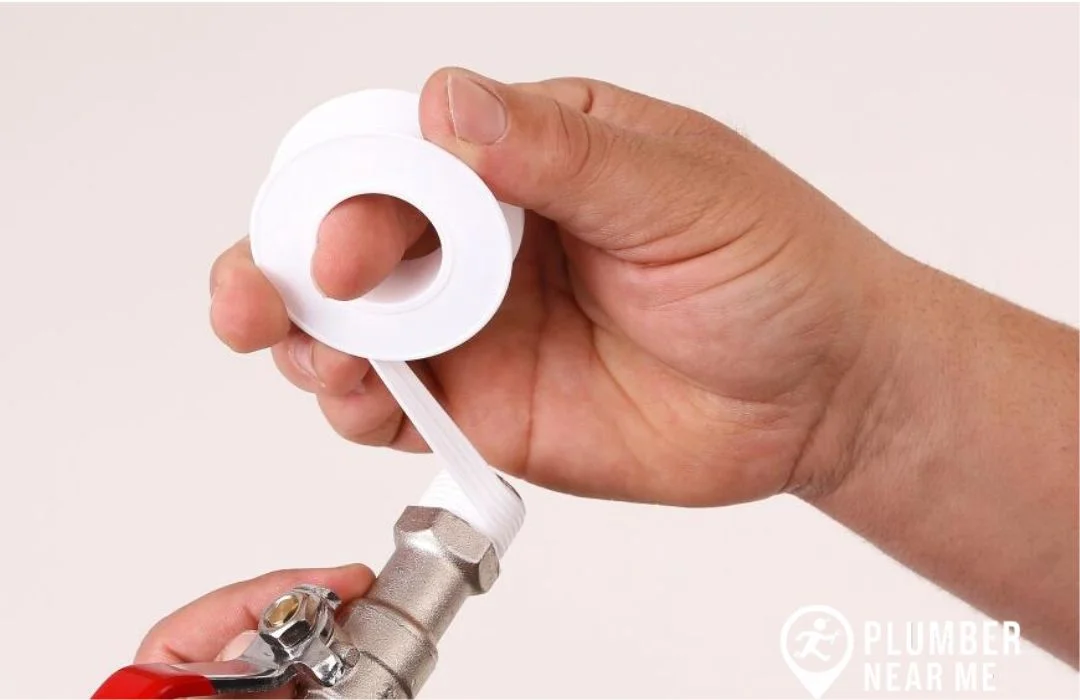
Plumber’s tape is a thin, flexible, and often white-colored PTFE (polytetrafluoroethylene) tape designed to wrap around male pipe threads before assembly. Its core purpose is to seal and lubricate threaded connections, reducing the risk of leaks and facilitating easier tightening.
Other Names:
-
- PTFE tape
-
- Teflon tape
-
- Thread seal tape
Physical Characteristics:
-
- Usually white but can also be color-coded (e.g., yellow for gas lines, pink for larger pipes).
-
- Thin, flexible, and easy to wrap around threads.
-
- Generally available in storage-friendly rolls.
Why Use Plumber’s Tape?
The importance of plumber’s tape in plumbing systems cannot be overstated. It offers multiple benefits that improve both installation quality and system durability:
-
- Prevents leaks: Filling in small gaps or imperfections on threaded connections.
-
- Facilitates tight seals: Ensures a secure and long-lasting connection.
-
- Reduces corrosion: Acts as a protective barrier against moisture and metal contact.
-
- Eases disassembly: Facilitates future repairs or replacements by making connections easier to undo.
-
- Prevents blockage: Keeps debris and water from escaping through threaded joints.
When to Use Plumber’s Tape
Plumber’s tape is typically used in situations involving threaded pipe connections, including:
-
- Water supply lines
-
- Faucets and fixtures
-
- Gas pipelines (using the appropriate tape)
-
- Heaters
-
- Appliance connections
Common applications include:
-
- Connecting faucets to supply lines
-
- Seal pipes in shower and bathtub installations
-
- Sealing gas fittings (using gas-rated PTFE tape)
-
- Repairing leaking joints or corroded connections
Types of Plumber’s Tape
While standard PTFE tape is the most common, there are variations suited for specific applications:
| Type | Color/Label | Application | Features |
|---|---|---|---|
| White PTFE Tape | White | Water and low-pressure applications | Most common, versatile |
| Yellow PTFE Tape | Yellow | Gas line fittings | Gas-rated, thicker, thicker |
| Pink PTFE Tape | Pink | Larger diameter pipes | Heavy-duty applications |
| Enhanced PTFE | Varied | High-temperature or special applications | Higher resistance |
Always select the appropriate tape type based on your specific needs.
How to Properly Use Plumber’s Tape
Using plumber’s tape correctly is vital to ensure a leak-proof connection. Here’s a step-by-step guide:
1. Prepare the Surface
-
- Clean the male threads thoroughly to remove dirt, grease, or debris.
-
- Ensure threads are dry before wrapping.
2. Wrap the Tape
-
- Start wrapping at the end of the male thread, working in the direction of the threads (clockwise when facing the fitting).
-
- Wrap in snug, overlapping turns (about 3-4 wraps).
-
- Keep the tape tight and flat to avoid bunching.
-
- Do not overwrap; excess tape can cause improper sealing.
3. Tuck the Tape
-
- Smooth the tape down onto the threads.
-
- Make sure it covers the entire threaded area.
4. Assemble the Fitting
-
- Screw the female fitting onto the male threaded pipe or fitting.
-
- Tighten by hand, then use a wrench if necessary—avoid overtightening which may damage threads.
5. Test for Leaks
-
- Turn on the water supply.
-
- Check for leaks; if present, tighten further or reapply tape.
Tips for Effective Use
-
- Use proper tape thickness; thicker tapes are preferred for gas or high-pressure lines.
-
- Avoid wrapping over damaged or corroded threads.
-
- Do not use plumber’s tape on compression fittings or solvent-weld joints.
Advantages of Using Plumber’s Tape
-
- Cost-Effective: Inexpensive yet highly effective.
-
- Reusable: Can be removed and reapplied if needed.
-
- Ease of Use: Simple to wrap around and install.
-
- Versatile: Suitable for multiple types of pipe materials and connections.
Limitations and Precautions
While plumber’s tape is highly useful, it has some limitations:
-
- Not suitable for high-pressure gas lines unless specifically rated.
-
- Overwrapping can cause the connection to strip or bypass.
-
- Incorrect application may lead to leaks, so proper technique is key.
-
- Avoid using on plastic threads if specified not to.
The Role of Plumber’s Tape in Modern Plumbing
Plumber’s tape is an age-old solution that remains relevant today. Its simplicity and effectiveness make it a preferred choice across residential, commercial, and industrial applications.
In residential settings, it is commonly used by homeowners during faucet repairs, pipe replacements, and installing appliances.
In commercial settings, its durability and sealing capacity are critical for preventing leaks that could cause slips or damage.
Professionals rely on plumber’s tape as a quick, reliable, and inexpensive method to achieve secure connections.
Safety and Regulatory Considerations
-
- Use product rated for specific applications (e.g., gas-rated PTFE tape for gas lines).
-
- Follow local plumbing codes and standards.
-
- Consult a licensed plumber near me if unsure about the appropriate type or application.
Conclusion
Plumber’s tape is a simple yet vital component in ensuring leak-free and secure pipe connections. Its ability to fill gaps in threaded fittings, lubricate threads, and prevent leaks makes it indispensable in residential and commercial plumbing tasks. Proper application not only guarantees the integrity of the system but also saves time and money by preventing future leaks or repairs.
Whether you are tackling a DIY plumbing project or managing professional installations, understanding the correct usage and benefits of plumber’s tape can make a significant difference. For complex or large-scale plumbing needs, always consider consulting with a trusted plumber in my area or a licensed plumber near me to ensure safety and compliance.
FAQs
Q1: Is plumber’s tape suitable for gas lines?
A: Yes, but only use gas-rated PTFE tape designed specifically for gas fittings. Regular white PTFE tape should not be used on gas lines unless rated accordingly.
Q2: Can I reuse plumber’s tape?
A: Reusing is generally not recommended because the tape may lose its sealing capability. It’s better to use fresh tape during each repair or installation.
Q3: How tight should I screw fittings after applying plumber’s tape?
A: Tighten by hand, then use a wrench to snug it up—avoid overtightening to prevent damaging threads or cracking fittings.
Q4: Is plumber’s tape waterproof?
A: PTFE tape provides a waterproof seal on threaded connections, but it does not make the entire fitting waterproof.
Q5: How do I know which type of plumber’s tape to use?
A: Use white PTFE tape for general water applications, yellow for gas, and other types based on your specific needs—consult product labels or a plumber close to me for advice.
Looking for professional assistance? Visit plumbernearme.work to find a trusted plumber near me that can help with all your plumbing needs, from simple repairs to complex installations.
Remember, proper application and quality products ensure long-lasting plumbing connections—invest in the right tools today for a leak-free tomorrow!
Call Now for More Information
Using PTFE tape is one of the simplest and most effective solutions for creating leak-free pipe connections. This software guides users through the proper application techniques, ensuring that every joint is sealed securely to prevent leaks and water damage. Whether you are a professional plumber or a DIY enthusiast, understanding the role of PTFE tape can save you time and costly repairs.
Our software provides step-by-step instructions, tips on selecting the right tape, and advice on the optimal wrapping method to maximize sealing performance. With the right use of PTFE tape, pipe fittings maintain their integrity under various pressures and temperatures, extending the life of your plumbing system. The software also highlights common mistakes to avoid, helping you achieve professional-quality results every time.
For anyone looking to improve the reliability of their plumbing projects, this software is a valuable tool. Don’t leave your pipe connections to chance—get the knowledge and confidence you need to create leak-proof seals. Call now for more information and take the first step toward hassle-free, durable plumbing connections.