Detecting Gas Leaks: Methods and Best Practices
Gas leaks pose serious safety hazards, including fire, explosion, and health risks caused by inhaling toxic fumes. Detecting a gas leak early is crucial for protecting your home and loved ones. Although some methods are straightforward, many require specialized techniques and equipment. This article explores the various methods used by plumbers to detect gas leaks, highlighting their importance, process, and safety measures. You May Also like: waterford mi top local plumbers
Understanding Gas Leaks and Their Risks
A gas leak occurs when natural gas (methane) or liquefied petroleum gas (LPG) escapes from the pipeline, appliance, or storage tank. Because these gases are highly flammable and invisible, detecting leaks isn’t always straightforward.
Risks associated with gas leaks include:
-
- Fire or explosion hazards
-
- Health issues like headaches, nausea, or dizziness
-
- Long-term environmental impact
Prompt detection and repair are essential in mitigating these dangers.
Methods for Detecting Gas Leaks
Plumbers employ a combination of techniques to identify the presence and source of a gas leak. The choice of method depends on the situation, accessibility, and available equipment.
Visual Inspection
Visual inspection is often the first step in detecting gas leaks. It involves:
-
- Checking pipes, connections, and appliances for signs of leaks, such as corrosion, cracks, or loose fittings.
-
- Looking for frost on pipes (which can indicate a leak).
-
- Observing discoloration around joints or fittings.
Advantages:
-
- Cost-effective
-
- Quick and straightforward
Limitations:
-
- May not detect small or hidden leaks
Soap Solution Method (Soap Bubble Test)
A traditional and accessible technique involves applying a soap solution to suspected areas:
-
- Mix dish soap with water.
-
- Using a brush or spray bottle, apply the solution to connections, fittings, and pipes.
-
- Bubble formation indicates escaping gas.
Advantages:
-
- Simple
-
- No specialized equipment needed
Limitations:
-
- May not detect leaks deep inside pipes
-
- Less effective with high-pressure systems
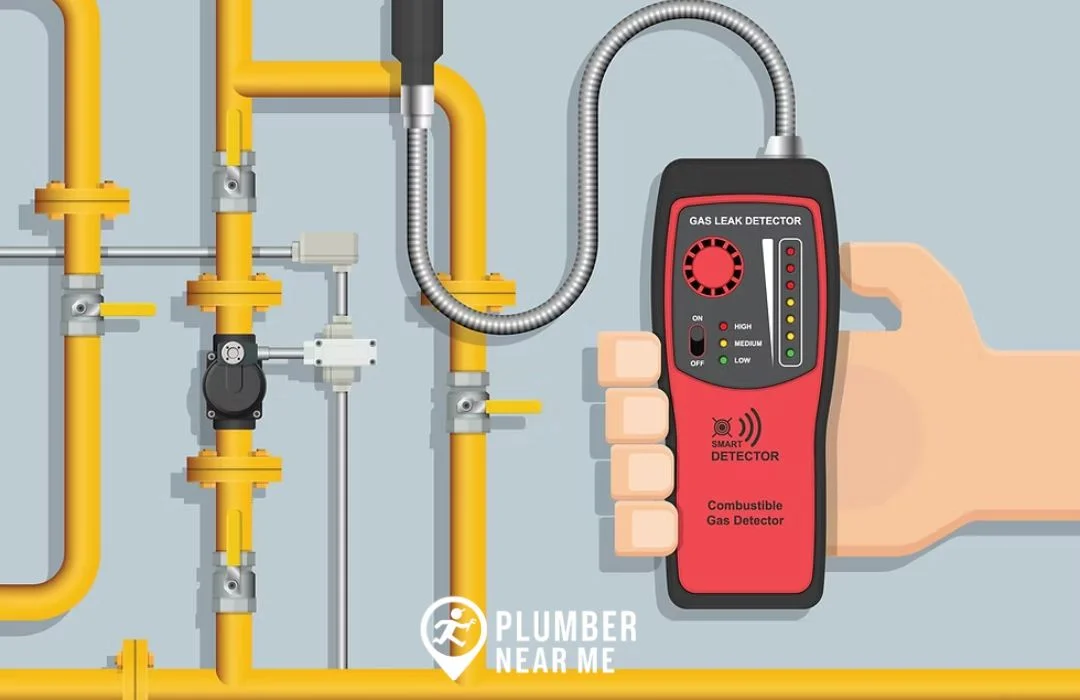
Electronic Gas Detectors (Leak Detectors)
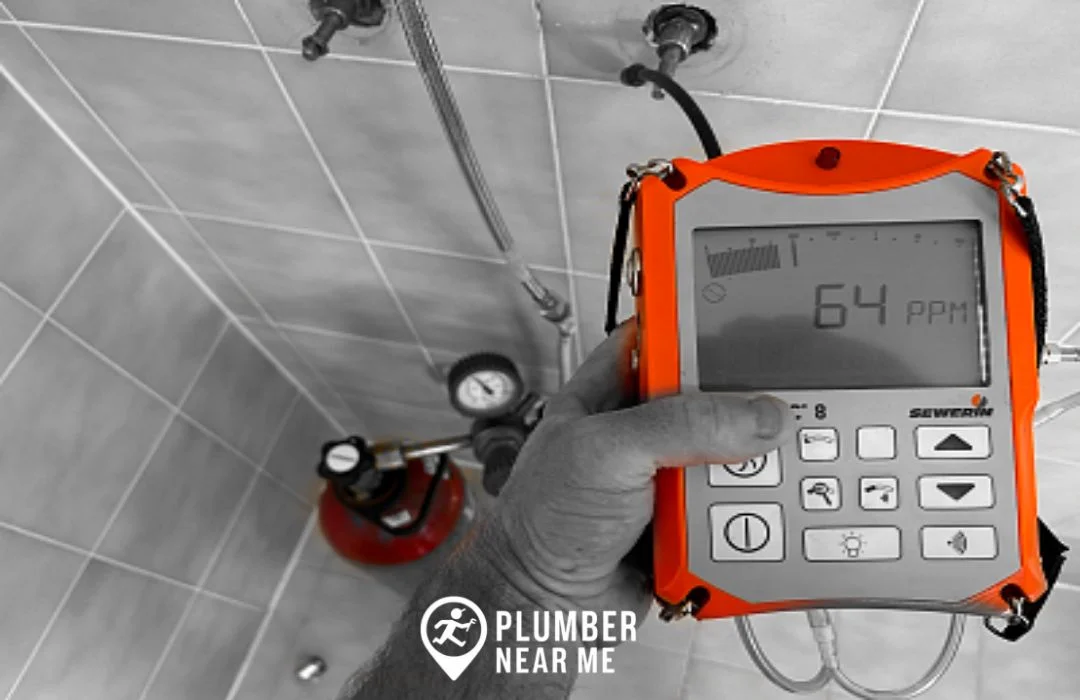
Electronic gas detectors are essential tools for precise detection:
-
- They consist of sensor probes that respond to methane or LPG.
-
- Plumbers move the probe around suspected areas.
-
- The detector alerts with audible alarms or visual indicators when gas is detected.
Advantages:
-
- Highly sensitive
-
- Capable of detecting tiny leaks
-
- Provide quantitative readings
Limitations:
-
- Require maintenance and calibration
-
- Depend on battery life
Ultrasonic Leak Detectors
Ultrasonic detectors listen for high-frequency sounds produced by escaping gas:
-
- They are especially useful in noisy environments.
-
- Plumbers move the ultrasonic device near fittings and pipelines.
-
- They detect the ultrasonic noise generated by leaks.
Advantages:
-
- Sensitive to small leaks
-
- Useful for hard-to-reach areas
Limitations:
-
- May produce false positives
-
- Require experience to interpret readings
Gas Sampling and Laboratory Testing
For comprehensive analysis, gas sampling can be conducted:
-
- Collect gas samples from suspected leak points.
-
- Send samples for laboratory testing to identify the gas composition.
Advantages:
-
- Accurate identification
-
- Useful in legal or safety investigations
Limitations:
-
- Time-consuming
-
- More expensive
Safety Precautions When Detecting Gas Leaks
Identifying a gas leak involves potential hazards. It’s vital to follow safety protocols:
-
- Evacuate the area immediately if you suspect a leak.
-
- Avoid using electrical devices or open flames in the vicinity.
-
- Ventilate the area by opening windows and doors.
-
- Call professionals like a licensed plumber near me to handle the detection and repair.
The Role of Professional Plumbers in Gas Leak Detection
While some methods can be DIY-friendly, professional plumbers are equipped with advanced tools and extensive training to accurately locate and repair gas leaks.
Why hire a professional?
-
- Access to state-of-the-art detection equipment
-
- Proper verification of leak severity and location
-
- Ensuring compliance with safety standards
-
- Preventing further damage or hazards
If you’re searching for a trusted expert, consider exploring options like a plumber in my area or an emergency plumber near me.
Importance of Regular Inspection and Maintenance
Prevention plays a critical role in gas safety:
-
- Schedule annual inspections if you have gas appliances.
-
- Replace outdated or damaged pipelines proactively.
-
- Use certified professionals for gas line installation and repairs.
Common Signs of Gas Leaks
Apart from direct detection, watch for:
-
- A rotten egg odor (due to added sulfur compounds)
-
- Hissing sounds near pipelines or appliances
-
- Discolored flames on burners (should be blue)
-
- Increased gas bills unexpectedly
-
- Physical symptoms such as headaches or dizziness
When to Call a Professional
If you suspect a gas leak, immediately:
-
- Turn off the gas supply.
-
- Evacuate the premises.
-
- Contact a licensed plumber near me or emergency plumber near me for inspection and repairs.
Conclusion
Detecting a gas leak requires a combination of methods and expertise. From visual inspections and soap bubble tests to electronic and ultrasonic detectors, each approach provides valuable insights. Remember, safety first—do not attempt complex detection or repairs unless trained.
Engaging professional plumbers ensures accurate identification and safe resolution of the issue. Regular inspections and maintenance are essential in preventing leaks and safeguarding your residence or business.
If you’re in need of reliable plumbing services near me, visit Plumber Near Me for experienced, licensed professionals ready to assist with all your plumbing needs, including gas leak detection.
FAQs (Frequently Asked Questions)
Q1: How can I tell if I have a gas leak?
A: Common signs include a rotten egg smell, hissing sounds near pipelines, discolored flames on appliances, or unexplained health symptoms like dizziness. Using a gas detector can provide definitive evidence.
Q2: Is it safe to try detecting a gas leak myself?
A: If you smell gas or suspect a leak, avoid any electrical devices or open flames, and evacuate immediately. Contact a professional plumber; do not attempt DIY repairs.
Q3: What tools do professionals use to detect gas leaks?
A: Professionals commonly use electronic gas detectors, ultrasonic leak detectors, gas sampling equipment, and perform visual inspections.
Q4: Can gas leaks be repaired?
A: Yes, once the leak source is located, a licensed plumber can perform necessary repairs, such as tightening fittings, replacing damaged pipes, or addressing appliance issues.
Q5: How often should I have my gas lines inspected?
A: It’s recommended to have annual or semi-annual inspections, especially if you notice signs of a leak or if your system is aging.
Protect your home and family by staying vigilant and engaging qualified professionals when detecting or repairing gas leaks. For reliable plumbing solutions, whether for leak detection or general repairs, find a plumber in my area today!
Call Now for More Information
Worried you might have a gas leak? Detecting gas leaks quickly and safely is crucial to protecting your home and family. Call now for more information and speak with an experienced plumber who uses reliable detection methods—from electronic sensors to smoke tests—to identify and fix leaks fast. Don’t wait—your safety is too important.