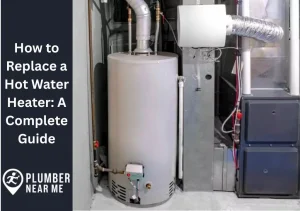
Switching to a heat pump water heater is one of the smartest ways to cut down on utility costs while ensuring a reliable supply of hot water. Unlike traditional systems that consume a lot of energy, these advanced units move heat from the surrounding air into the water tank, making them far more efficient. You May Also Like: Tankless Water Heaters.
If you are planning a heat pump water heater installation, you’ll need to consider your home’s electrical setup, space requirements, and the right installation method. In this guide, we’ll cover everything—from understanding how these systems work to step-by-step installation instructions.
👉 Looking for professional installation? Plumber Near Me connects you with trusted experts in your area.
What Is a Heat Pump Water Heater?
A heat pump water heater is a hybrid system that uses electricity differently than a standard water heater. Instead of generating heat directly, it absorbs heat from the air and transfers it into the water tank.
This design allows the unit to use up to 60% less energy compared to traditional electric water heaters. For high-demand periods, it can switch to built-in electric heating elements to make sure you never run out of hot water.
How Does a Heat Pump Water Heater Work?
The process is simple but highly efficient:
- Evaporator Coil: Absorbs heat from surrounding air.
- Compressor: Pressurizes refrigerant, increasing temperature.
- Condenser Coil: Transfers the captured heat to the water in the tank.
- Backup Heating Element: Kicks in when hot water demand is higher than usual.
This mechanism is similar to how a refrigerator works—but in reverse.
Benefits of Heat Pump Water Heater Installation
Installing a heat pump water heater comes with several advantages:
- ✅ Energy Efficiency: Uses less electricity, lowering monthly bills.
- ✅ Environment-Friendly: Reduces carbon footprint by cutting energy waste.
- ✅ Dehumidification: Helps reduce moisture in basements or utility rooms.
- ✅ Longer Lifespan: Generally lasts longer than standard electric heaters.
Preparing for Heat Pump Water Heater Installation
Before you start, here are some important factors:
1. Electrical Requirements
Every heat pump water heater has specific electrical requirements. Make sure:
- Your breaker panel can support the new load.
- Proper wiring and voltage match the manufacturer’s guidelines.
- You use a dedicated circuit for safety and performance.
If you’re unsure, consult a licensed electrician.
2. Location Considerations
- The unit works best in spaces with 40–90°F temperature.
- Needs at least 700–1,000 cubic feet of air space for ventilation.
- Avoid cramped closets—garages, basements, or utility rooms are better.
3. Tools & Materials Needed
- Adjustable wrench
- Screwdriver set
- Pipe cutter
- Pipe fittings & Teflon tape
- Electrical connectors & wires
- Safety glasses & gloves

Step-by-Step Heat Pump Water Heater Install
Here’s a simplified version of the process:
- Turn Off Utilities – Shut off electricity from the breaker and close the main water supply.
- Drain the Old Heater – Attach a hose to the drain valve and remove all water.
- Disconnect Plumbing & Electrical – Cut water lines with a pipe cutter and disconnect wires.
- Position the New Unit – Place the heat pump water heater in your prepared location.
- Reconnect Water Supply – Attach the inlet and outlet pipes with fittings and Teflon tape.
- Check Safety Valves – Install the pressure relief valve and expansion tank if required.
- Connect Electrical Wiring – Follow the unit’s heat pump water heater electrical requirements for safe wiring.
- Fill & Test – Turn on the water, then restore power. Let the tank fill, check for leaks, and run a test cycle.
Optimizing Efficiency After Installation
- Set Temperature: Keep between 120–130°F for safety and savings.
- Clean Filters: Wash or replace the air filter every few months.
- Flush Tank: Remove sediment buildup once a year.
- Check Condensate Drain: Ensure it’s not clogged.
- Use Seasonal Modes: Hybrid or efficiency mode can adapt to climate changes.
Common Issues & Troubleshooting
- Not Enough Hot Water: Check thermostat settings or flush tank to remove sediment.
- Noise Issues: Make sure airflow is not blocked; tighten loose components.
- Leaks: Inspect connections and valves; replace corroded parts if necessary.
- Electrical Trips: Could be a wiring issue—consult an electrician immediately.
Is DIY Installation Worth It?
While some homeowners with plumbing and electrical experience attempt installing an electric water heater themselves, a heat pump system is more complex. Incorrect wiring or plumbing may void the warranty. Hiring a pro ensures compliance with safety codes and long-term performance.
👉 Find a qualified installer through Plumber Near Me for hassle-free installation.
FAQs About Heat Pump Water Heater Installation
How long does a heat pump water heater last?
Typically 12–15 years, longer with proper maintenance.
Do heat pump water heaters work in cold climates?
Yes, but efficiency drops in colder spaces. Installing in basements or insulated utility rooms helps.
What size breaker is required for a heat pump water heater?
Most units need a 30-amp dedicated breaker, but check your model’s manual.
Can I replace my old electric water heater with a heat pump water heater?
Yes, but you may need plumbing and electrical adjustments to meet requirements.
Are heat pump water heaters noisy?
They produce sound similar to a window AC unit—usually between 45–60 decibels.
Conclusion
A heat pump water heater install is an excellent way to save energy, reduce costs, and enjoy reliable hot water. Although the installation process requires planning and precision, the long-term benefits far outweigh the initial effort.
By understanding the heat pump water heater electrical requirements, choosing the right location, and following a proper maintenance routine, you’ll ensure your system runs efficiently for years.
If you want guaranteed results, consult a professional installer in your area via Plumber Near Me.