Using Liquid-Plumr or Similar Chemical Drain Cleaners in Garbage Disposals: Why Caution is Essential
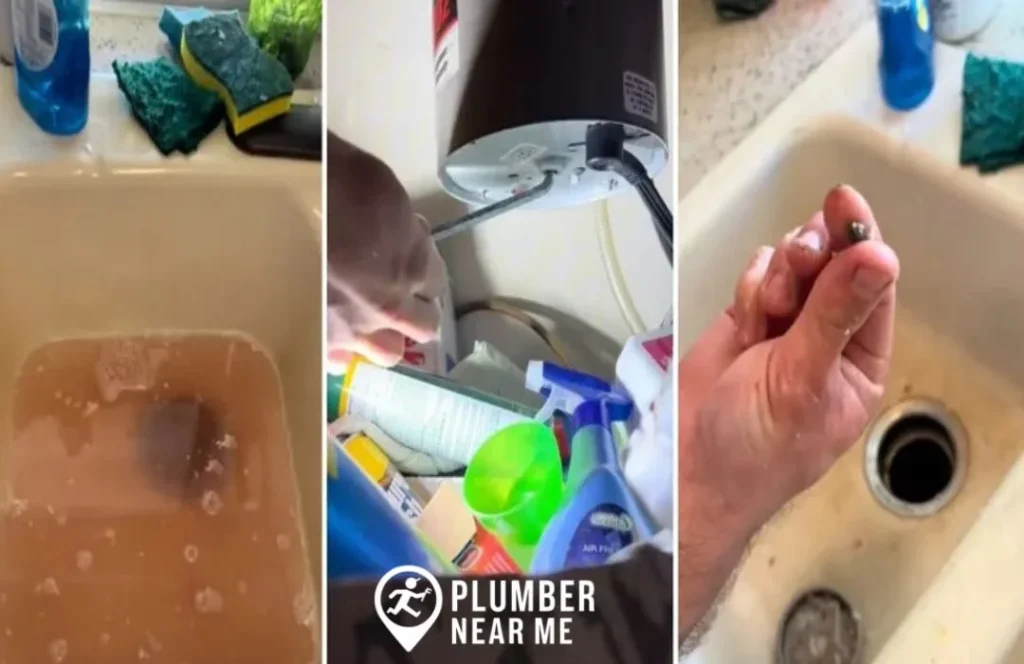
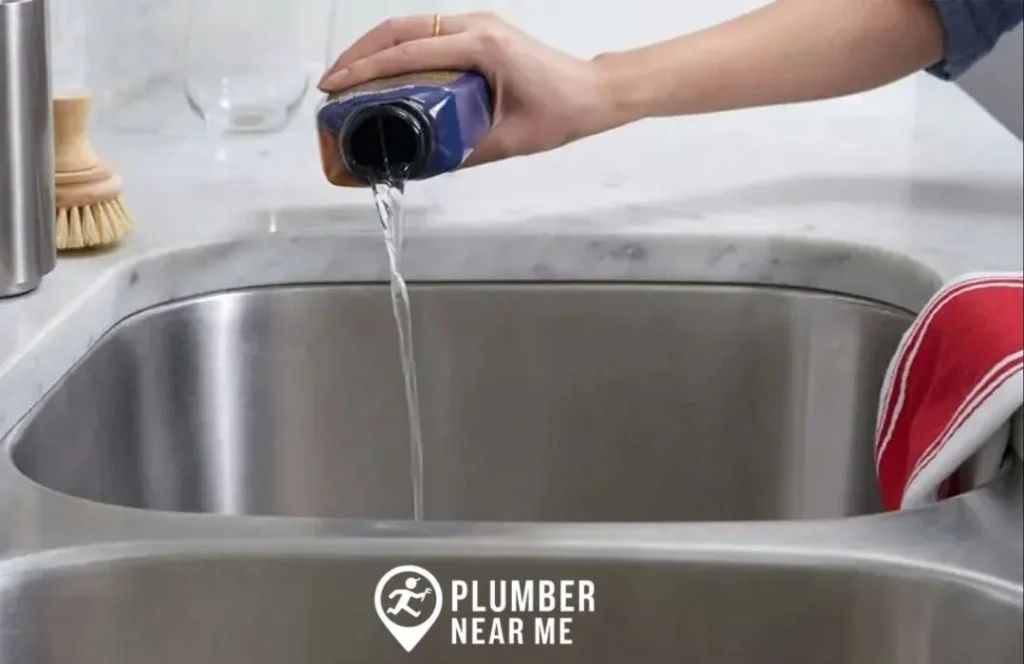
When a garbage disposal unit becomes clogged or runs poorly, many homeowners instinctively reach for chemical drain cleaners like Liquid-Plumr. These products are designed to dissolve stubborn drain clogs quickly and conveniently. However, despite their effectiveness, using chemical drain cleaners directly in garbage disposals is generally not recommended. This article explores why caution is necessary, the potential risks involved, and safer alternatives for maintaining your garbage disposal’s health. You May Also like: top trusted plumbers in littleton colorado
Understanding How Chemical Drain Cleaners Work
Chemical drain cleaners, such as Liquid-Plumr, typically contain potassium hydroxide, sodium hydroxide, or hydrochloric acid. These corrosive agents work by breaking down organic matter, grease, hair, and soap scum that cause clogs.
Key points about chemical drain cleaners:
-
- Designed for slow-draining or blocked drains.
-
- Effective at dissolving organic debris.
-
- Formulated to work within pipes, not necessarily in the confined space of a garbage disposal.
Why Using Chemical Drain Cleaners in Garbage Disposals Is Not Recommended
Despite the apparent convenience, there are several reasons to avoid pouring these substances directly into your garbage disposal:
1. Potential Damage to Disposer Components
Gas and chemical reactions can erode or corrode parts of your disposal unit, such as:
-
- Blades
-
- Motor components
-
- Seals and gaskets
Repeated exposure can significantly shorten the lifespan of your unit.
2. Risk of Plumbing Damage
The chemicals used in these products are highly corrosive. When introduced into a garbage disposal:
-
- They may leak into the plumbing, causing pipes or seals to corrode.
-
- Clog formation can occur if the chemicals react with accumulated debris, leading to more severe blockages.
3. Release of Toxic Fumes and Heat
Chemical reactions may generate heat or release fumes that:
-
- Are harmful to health when inhaled.
-
- Could cause damage to internal components or lead to leaks.
4. Ineffectiveness and Safety Hazards
Chemical cleaners can be ineffective for certain types of blockages in disposals—like those caused by solid objects—and pose serious safety risks if mishandled.
Safer Alternatives to Chemical Drain Cleaners
For clogged or slow-disposal units, consider the following safer and more effective strategies:
Manual Cleaning
-
- Turn off the power to the disposal (unplug or switch off).
-
- Remove debris manually using tongs or pliers.
-
- Use a disposal brush to clean blades and chamber.
Using Hot Water and Baking Soda
-
- Pour hot water down the drain.
-
- Add baking soda (about half a cup).
-
- Follow with white vinegar, and let it fizz for several minutes.
-
- Rinse with hot water again.
Ice and Salt Method
-
- Drop ice cubes and salt down the disposal.
-
- Run for a few seconds. This helps clean and sharpen blades.
Enzymatic Cleaners
-
- Use biological or enzymatic cleaning products designed explicitly for garbage disposals and pipelines.
-
- These are gentle, eco-friendly, and effective at breaking down organic matter without damaging components.
Regular Maintenance
-
- Run your disposal regularly with cold water.
-
- Avoid pouring grease or fibrous food waste down the drain.
When to Call a Professional Plumber
If your garbage disposal remains clogged or faulty despite your efforts:
-
- Avoid chemical drain cleaners.
-
- Contact a licensed plumber for a thorough inspection and repair.
-
- You might need disassembly, part replacement, or pipe cleaning.
Find a plumber near me to ensure quick and reliable service. A professional plumber can diagnose issues more accurately and safely address your plumbing problems.
Risks of Using Chemical Drain Cleaners in Garbage Disposals
| Risk | Description |
|---|---|
| Corrosion | Damage to blades and internal parts. |
| Leaks | Chemical seepage can result in pipe or seal damage. |
| Health Hazards | Fumes or chemical burns if misused. |
| Ineffective Clearing | Chemicals may not reach or affect the blockage effectively. |
| Environmental Impact | Chemical runoff may harm local ecosystems. |
Key Takeaways
-
- Avoid pouring Liquid-Plumr directly into your disposal.
-
- Use biodegradable, disposal-safe cleaning methods.
-
- Regular maintenance and cautious use extend the lifespan of your garbage disposal.
Conclusion
While chemical drain cleaners like Liquid-Plumr may seem like quick fixes, they are not suitable for use in garbage disposals. The harsh chemicals can cause irreparable damage to your disposal unit and your plumbing system. Instead, adopting safer cleaning methods and regular maintenance routines will help ensure your garbage disposal remains functional and durable for years to come.
If you’re facing persistent problems, it’s best to consult a professional plumber. Professionals possess the expertise and tools to resolve plumbing issues safely and effectively. For reliable plumbing services near you, consider visiting Plumber Near Me.
FAQs
Q1: Can I pour Liquid-Plumr down my garbage disposal to clear a clog?
Generally, it’s not recommended. The chemical can cause damage to disposal components and lead to leaks or corrosion. Use safer methods like cold water with baking soda or enzymatic cleaners.
Q2: What are the signs that my garbage disposal needs professional repair?
Signs include:
-
- Persistent clogging
-
- Leaking under the sink
-
- Strange noises during operation
-
- Disposal not turning on
Q3: How often should I clean my garbage disposal?
Ideally, once a month with safe cleaning techniques like ice and salt or baking soda and vinegar to prevent buildup.
Q4: Are enzymatic cleaners safe for disposals?
Yes, enzymatic cleaners are environmentally friendly and designed specifically for garbage disposal maintenance.
Q5: What should I do if my disposal is jammed?
-
- Turn off the power.
-
- Use an Allen wrench to manually turn the disposal.
-
- Remove debris carefully.
-
- If unsure, contact a plumber for assistance.
Remember, maintaining your garbage disposal with proper cleaning and routine checks will save money and prevent headaches. When in doubt, consulting a licensed plumber in my area ensures safe and effective solutions for your plumbing needs.
Call Now for More Information
Thinking of pouring Liquid-Plumr down your garbage disposal? You might want to think again. Harsh chemical drain cleaners can corrode your disposal’s internal parts, damage pipes, and even create toxic fumes—especially in older systems. Instead of risking an expensive repair, talk to a local plumber who can safely diagnose and fix the issue. Call now to get expert advice and protect your kitchen plumbing the smart way.