Understanding Plumber’s Putty: Uses, Benefits, and Limitations
Plumber’s putty is a versatile sealing compound that has been a staple in plumbing work for decades. Its unique properties and ease of use make it a favorite among homeowners and professionals alike. However, despite its many advantages, there are specific applications where plumber’s putty is not recommended. Knowing when and where to use this product is essential to ensure long-lasting, leak-proof plumbing installations. In this comprehensive guide, we delve into what plumber’s putty is, its typical uses, benefits, limitations, and the situations where alternative materials are better suited. You May Also Like: Plumbers Available in Eldon Missouri Names List.
What is Plumber’s Putty?
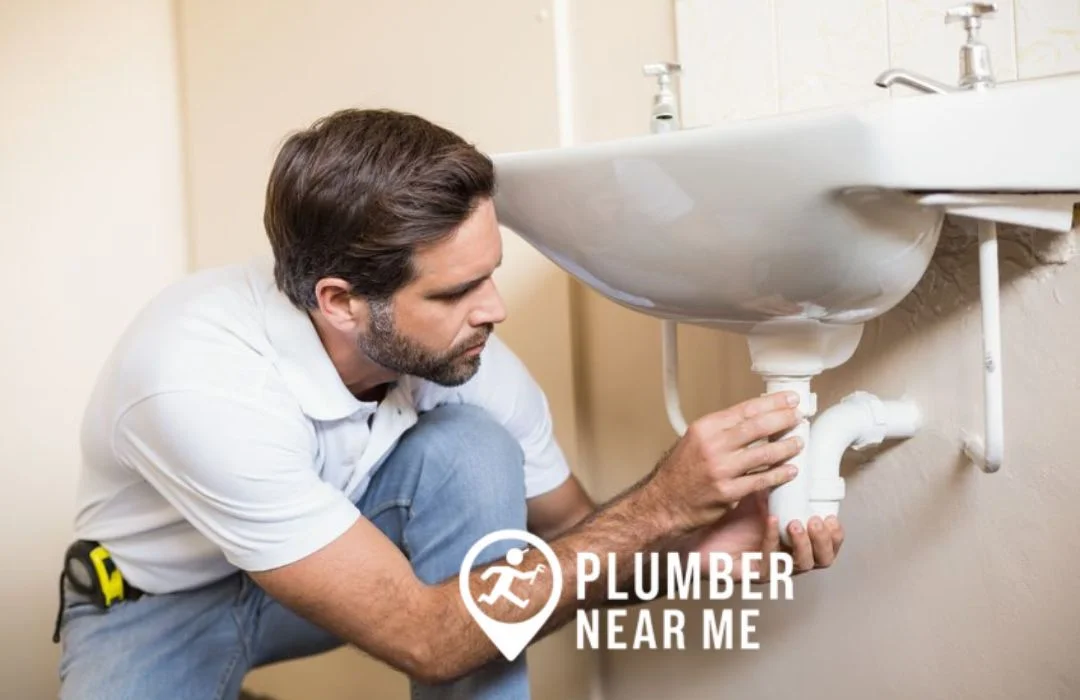
Plumber’s putty is a soft, pliable sealing compound primarily composed of clay, linseed oil, and filler particles. Its smooth texture allows it to be molded easily into any shape, providing an effective seal against water leakage in various plumbing fixtures. Unlike sealants or caulks, plumber’s putty does not harden over time, which allows for adjustments and future dismantling.
Key Characteristics of Plumber’s Putty:
-
- Flexibility: Remains soft and moldable.
-
- Waterproof: Provides a watertight seal.
-
- Removable: Can be easily disassembled without damaging fixtures.
-
- Ease of application: Simple to mold with fingers or tools.
-
- Heat Resistance: Can withstand occasional heat exposure.
Common Uses of Plumber’s Putty
Plumber’s putty is favored for a wide range of applications because of its versatility. Its primary uses include:
-
- Sealing sinks and countertops: Used around the edges of bathroom or kitchen sinks where they meet the countertop.
-
- Faucet installation: Sealing the base of faucets, drain assemblies, and spouts to prevent leaks.
-
- Drain installation: Sealing the joints of strainers and drains in sinks.
-
- Filling gaps and cracks: Used to fill minor imperfections in plumbing fixtures or piping.
Ideal applications for plumber’s putty are those involving drain assemblies and sink sealing, where a flexible, waterproof, and removable seal is required.
Benefits of Using Plumber’s Putty
Utilizing plumber’s putty offers several advantages, including:
-
- Ease of Use: Simple application without specialized tools.
-
- Cost-effective: Inexpensive compared to other sealing options.
-
- Removability: Can be removed easily when fixtures are replaced or repaired.
-
- Excellent Water Resistance: Effective in preventing leaks around fixtures.
-
- Compatibility: Works well with many materials including metal, porcelain, and ceramic.
These benefits make plumber’s putty an appealing choice for many plumbing tasks, especially for DIY enthusiasts and professionals.
Situations Where Plumber’s Putty Is Not Recommended
Despite its versatility and benefits, plumber’s putty isn’t always the best choice. Here are some situations and applications where its use is not recommended:
1. Underwater or Permanent Seals
Plumber’s putty is not waterproof nor designed for submerged applications. If the seal will be exposed to constant water or pressure, it may disintegrate or wash away over time, leading to leaks.
Examples:
-
- Sealing below water level in pipes or fittings.
-
- Permanently submerged fountains or water features.
2. With Certain Materials
Some materials tend to react negatively with plumber’s putty, compromising the integrity of the seal:
-
- Plastic components: The oils in plumber’s putty can sometimes degrade or stain plastics.
-
- Granite or marble: The oils may stain or damage delicate natural stones.
-
- Rubber gaskets or seals: It can adhere to rubber, making future disassembly difficult and potentially causing damage.
3. In High-Temperature Environments
Although plumber’s putty can withstand occasional heat, it is not suitable for areas exposed to high temperatures or hot water over an extended period. Its material composition can soften or break down, diminishing its sealing ability.
Examples include:
-
- Around water heaters
-
- Faucet valves exposed to high heat
-
- Heat exchangers
4. On Moving Parts or Vibrating Fixtures
In situations where the fixture experiences movement or vibration, plumber’s putty can loosen or disintegrate, leading to leaks.
Examples:
-
- Movable kitchen sprayers
-
- Vibrating piping connections
5. As a Permanent Sealant
Since plumber’s putty remains soft and removable, it is not suitable for permanent sealing applications, especially where a rigid, long-lasting seal is required.
Alternative Materials for Specific Applications
In situations where plumber’s putty is not advisable, consider these alternative materials:
-
- Silicone Sealant: Flexible, waterproof, and ideal for permanent waterproofing.
-
- Teflon Tape: Used for sealing threaded pipes.
-
- Plumber’s Epoxy: Suitable for permanent repairs or filling cracks.
-
- PVC Cement: When working with PVC pipes for permanent joints.
Tips for Proper Use of Plumber’s Putty
If you decide to use plumber’s putty in suitable applications, follow these best practices:
-
- Apply a thin, even layer around the fixture or drain opening.
-
- Use gloves to prevent staining your hands.
-
- Avoid excess; too much can squeeze into the drain or fixture, causing mess and potential clogging.
-
- Check compatibility with materials involved.
-
- Removable after installation: Do not let it cure or harden; it should stay soft for future adjustments.
Conclusion
Plumber’s putty remains an essential tool in many plumbing tasks due to its ease of use, cost-effectiveness, and excellent sealing properties for specific applications. It is particularly effective for sink sealing, faucet installation, and drain fitting where a removable, watertight seal is needed.
However, it’s equally important to recognize its limitations. Its use is not recommended in situations involving permanent sealing, underwater applications, high temperatures, or with sensitive materials. In those cases, alternative materials such as silicone sealants or epoxies are more appropriate to ensure a durable and reliable seal.
By understanding the proper contexts for plumber’s putty, homeowners and professionals can avoid future leaks, prevent damage, and maintain plumbing integrity effectively.
FAQs
Q1: Is plumber’s putty safe for use on natural stone surfaces like granite or marble?
A: No. The oils and fillers in plumber’s putty can stain or damage natural stone surfaces. Use a specialized stone-safe sealant instead.
Q2: Can I use plumber’s putty to fix a leaking water heater?
A: Generally, no. Water heaters often require permanent, heat-resistant sealants. Use water heater repair services or appropriate sealants.
Q3: How long does plumber’s putty last?
A: When used correctly, it can last for years in stationary, non-pressurized applications. However, its removable nature means it’s not meant as a permanent sealant.
Q4: What should I do if plumber’s putty is causing staining?
A: Remove the putty carefully and replace it with silicone or another suitable sealant compatible with your fixture material.
Q5: How can I find a reliable plumber in my area?
A: Check local plumbing services near me or read plumber reviews near me to find qualified professionals like the licensed plumber near me from Plumber Near Me.
Remember: Using the correct sealing compounds for specific applications is crucial to maintaining the integrity and longevity of your plumbing system. When in doubt, consulting a professional ensures proper repair and installation.
Call Now for More Information
Plumber’s putty is a go-to material for many sink and drain installations, but it’s not a universal sealant. One of the key times you should not use plumber’s putty is on plastic or porous surfaces. It can stain or weaken certain materials, especially if the putty contains oils that break down plastic over time. Always check the manufacturer’s guidelines for both the fixture and the putty to avoid long-term damage.
Another common mistake is using plumber’s putty on pressurized connections or joints—like threaded pipe fittings. Plumber’s putty doesn’t harden or hold pressure; it’s designed to create a watertight seal between non-pressurized surfaces, like between a sink basin and a drain flange. For pressurized joints, pipe thread sealant (Teflon tape or pipe dope) is the better choice.