Understanding and Using Plumber’s Tape (Teflon Tape or PTFE Tape) Effectively
When it comes to plumbing repairs, installations, or maintenance, ensuring a watertight and airtight seal on threaded pipe fittings is essential. One of the most common and reliable materials used for this purpose is plumber’s tape, also known as Teflon tape or PTFE tape. This thin, flexible tape simplifies sealing threaded connections, preventing leaks, corrosion, and other issues. You May Also like: how to ask a plumber online.
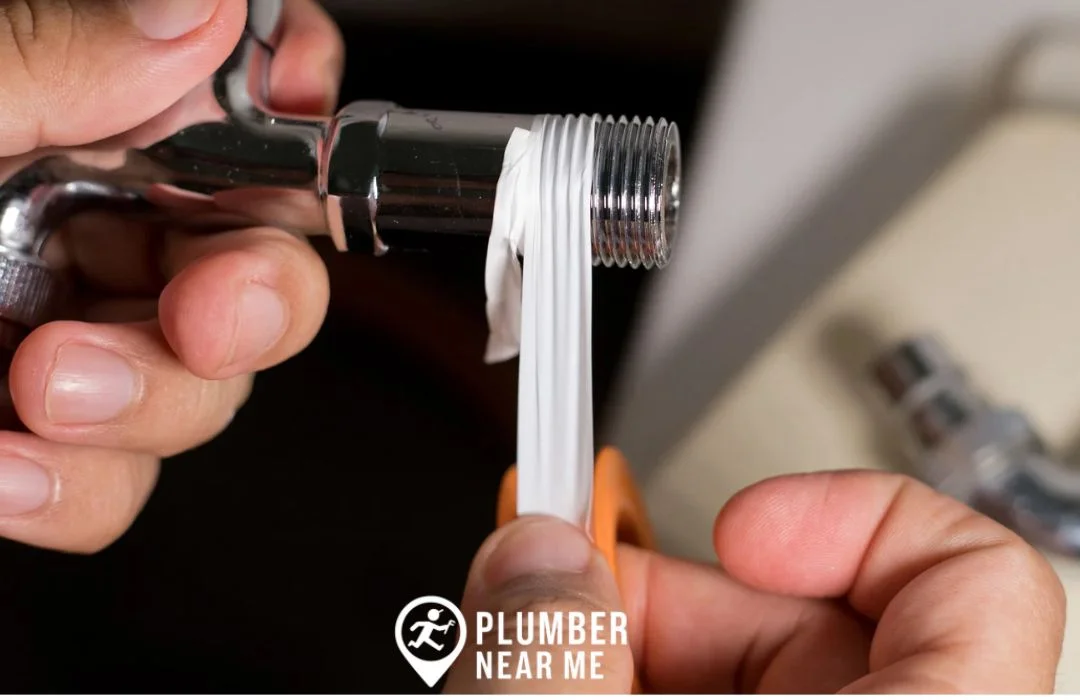
In this comprehensive guide, we’ll explore what plumber’s tape is, why it’s important, how to use it correctly, and some troubleshooting tips to enhance your plumbing projects.
What is Plumber’s Tape?
Plumber’s tape is a polytetrafluoroethylene (PTFE) material, known for its non-stick, chemical-resistant, and high-temperature properties. It’s typically white but can also be found in other colors like blue, green, or pink, each signifying specific use cases:
-
- White PTFE Tape: General use for water fittings
-
- Yellow PTFE Tape: Gas-related applications
-
- Green/PTFE Tape: Water and refrigerant lines
-
- Pink PTFE Tape: Heavy-duty applications
Though commonly called Teflon tape—a brand name for PTFE—the term is often used interchangeably with plumber’s tape or thread seal tape.
Why Use Plumber’s Tape?
Using plumber’s tape offers several benefits:
-
- Creates an effective seal: Prevents leaks at threaded connections.
-
- Eases assembly/disassembly: Makes screwing fittings together smoother.
-
- Protects threads: Reduces damage caused by metal-on-metal contact.
-
- Prevents corrosion: Acts as a barrier against moisture ingress.
-
- Time and cost-efficient: Reduces the need for additional sealants or sealing compounds.
When to Use Plumber’s Tape?
It’s essential for threaded pipe fittings, including:
-
- Water supply lines
-
- Gas piping
-
- Refrigeration and HVAC fittings
-
- Fixtures like faucets and valves
Proper application is key to achieving a leak-proof connection.
How to Properly Use Plumber’s Tape
Using PTFE tape correctly involves specific steps to ensure a secure, leak-free seal. Follow these detailed instructions:
1. Gather Your Tools and Materials
-
- Plumber’s tape (white PTFE tape)
-
- Pipe wrench or adjustable wrench
-
- Rag or cloth (for cleaning threads)
-
- Optional: Pipe thread sealant (for extra sealing)
2. Prepare the Fittings
-
- Turn off the water supply.
-
- Clean the threads: Remove dirt, debris, or old sealant with a rag.
-
- Check for damage: Ensure threads are not stripped or damaged.
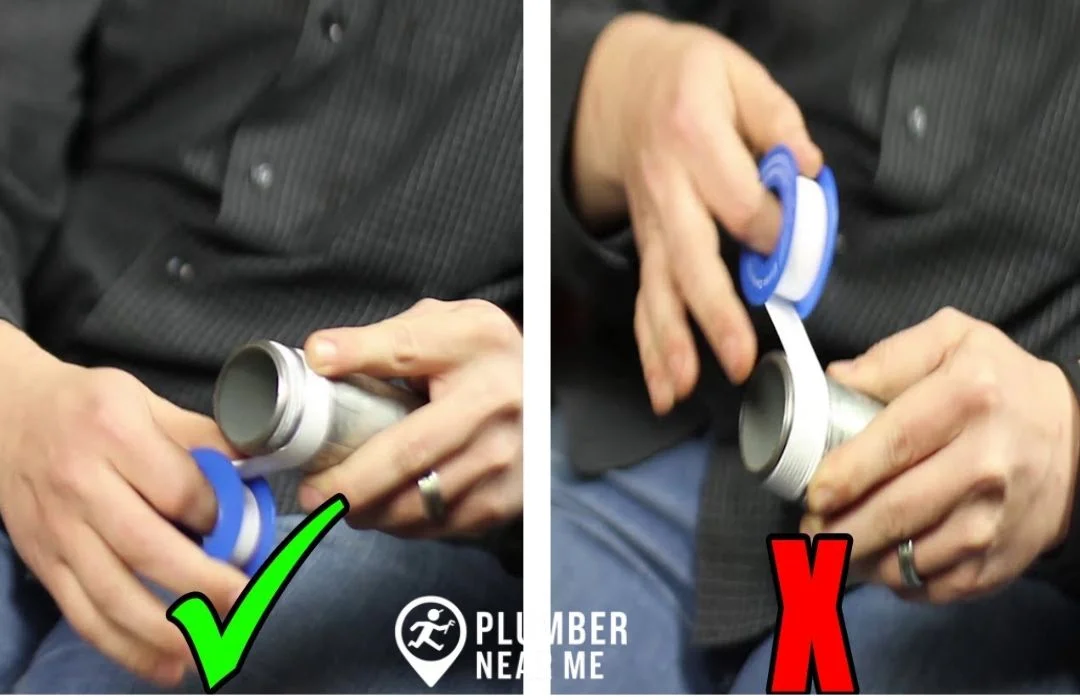
3. Wrap the Tape Correctly
Key points:
-
- Wrap in the direction of the thread: Usually clockwise as you look at the fitting (to prevent unwinding when tightening).
-
- Overlap lightly: Cover 2-3 wraps around the threads (more for larger fittings).
-
- Maintain tight tension: Keep the tape taut as you wrap.
-
- If the fitting is a male threaded connection, wrap the tape clockwise around the male threads.
4. Apply the Tape on Threaded Fittings
-
- Start at the end of the fitting and wrap around the threads.
-
- Cover the full length of the threaded area.
-
- Keep the wrapping smooth and even to prevent air pockets or gaps.
-
- Avoid wrapping beyond the end of the threads, as excess tape can interfere with the connection.
5. Assemble the Fittings
-
- Screw the fittings together by hand first, engaging threads carefully.
-
- Use a wrench to tighten — but avoid over-tightening, which can damage threads or deform fittings.
6. Test for Leaks
-
- Turn the water or gas on gradually.
-
- Check for any leaks around the connection points.
-
- If leaks are present, tighten slightly or re-wrap if necessary.
Tips for Using Plumber’s Tape Effectively
-
- Use the right tape color for your application.
-
- Avoid over-wrapping: Too many layers can make fittings difficult to tighten.
-
- Don’t use plumber’s tape on flare or compression fittings; it’s primarily for threaded connections.
-
- Combine with thread sealant if high-pressure or critical applications are involved.
-
- Ensure threads are clean and dry before wrapping.
Common Mistakes to Avoid
-
- Wrapping against the direction of the thread.
-
- Wrapping too many layers, leading to over-tightening difficulties.
-
- Using old or degraded tape.
-
- Applying tape on damaged or corroded threads without fixing the underlying issue.
When to Call a Professional
While sealing small leaks or performing simple repairs can be manageable, complex or high-stakes projects like gas line work, sewer repairs, or water heater repairs ideally require a licensed plumber. For reliable plumbing services near me or emergency plumber near me, always consult a qualified professional to avoid costly mistakes.
You can find a reputable plumber in my area through trusted providers like Plumber Near Me, which can connect you with licensed plumbers and 24-hour emergency services.
Conclusion
Plumber’s tape (Teflon tape or PTFE tape) is a simple yet vital component of effective plumbing. When used properly, it ensures leak-proof, durable, and corrosion-resistant connections that stand the test of time. Correct wrapping technique, selecting the right tape for the application, and proper assembly are all essential steps in achieving professional results.
Whether you’re tackling a small repair or undertaking a major plumbing project, understanding the proper use of PTFE tape will save you time, money, and frustration. Remember, when in doubt, consulting a licensed plumber or calling a reputable plumbing service near me can make all the difference.
FAQs
1. Can I reuse plumber’s tape?
It’s best to use new tape each time for a secure seal. Old or used tape may lose its effectiveness.
2. Is plumber’s tape suitable for gas lines?
Yes, yellow PTFE tape is designed for natural gas and other combustible gases, ensuring a safe, airtight seal.
3. How many wraps of PTFE tape should I use?
Typically 2-3 wraps are sufficient for most applications. For larger fittings, you might use more, but avoid over-wrapping.
4. Can plumber’s tape prevent all leaks?
While highly effective, some leaks may also require thread repair or replacement. Proper application minimizes but doesn’t eliminate all risks.
5. Is PTFE tape compatible with all types of plumbing materials?
Mostly, yes. It’s safe for use with copper, PVC, brass, and other common plumbing materials on threaded fittings.
For all your plumbing needs, whether drain cleaning, leak repairs, or water heater repairs, trust professionals to get the job done right. Find a plumber in my area or explore plumbing services near me for reliable assistance.
Call Now for More Information
Using plumber’s tape—also called Teflon tape—is a quick and effective way to seal threaded pipe connections and prevent leaks. Simply wrap the tape around the male threads of the pipe (not the female end), going in the same direction the pipe will be twisted—usually clockwise. Two to three layers are typically enough. Press the tape firmly into the threads before connecting the pipes. It’s a small step, but it can save you from major water damage down the line.